


Legs usually feel heavy when blood and fluid settle in them after hours of standing or sitting still. Your calf muscles normally help push that blood back up toward your heart, and when they don't get much to do, your legs start to feel like they're full of sand. Heat, a long shift, a tough workout or a long trip can all add to the feeling. The good news: a few small habits can help your legs feel lighter, often the same day.
This guide covers the everyday reasons legs feel heavy, seven easy ways to get relief, and the signs that mean it's time to check in with a doctor.
- Everyday heaviness usually comes from long stretches of standing or sitting, warm weather, tired muscles after exercise, or travel.
- Your calf muscles work like a pump for your leg veins, so moving them is the quickest way to feel lighter.
- Try calf raises or a short walk every 30 to 60 minutes, and put your feet up above heart level for about 15 minutes after work.
- Drink enough water, go easy on salty snacks, and choose comfy, supportive shoes and socks.
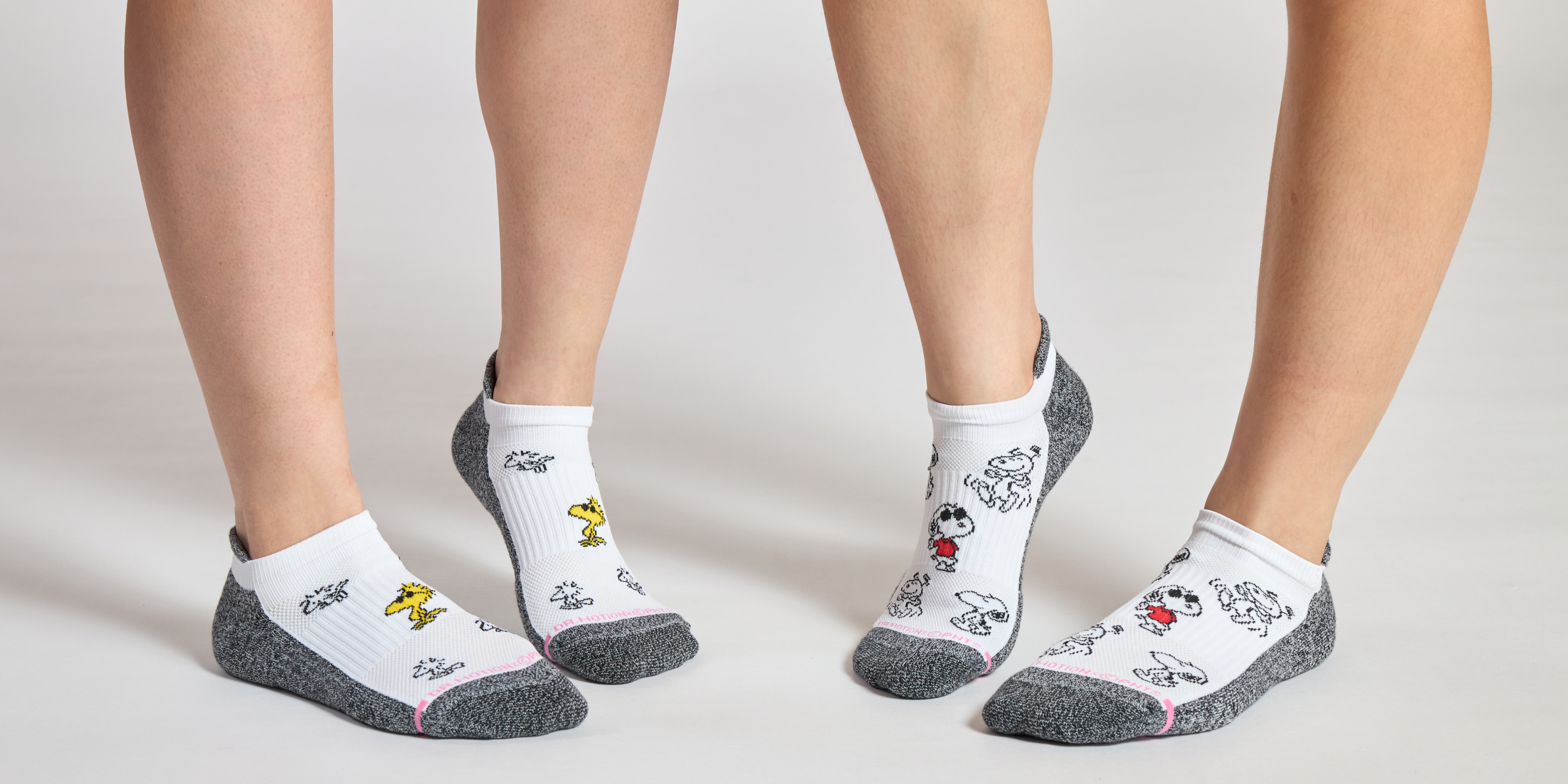
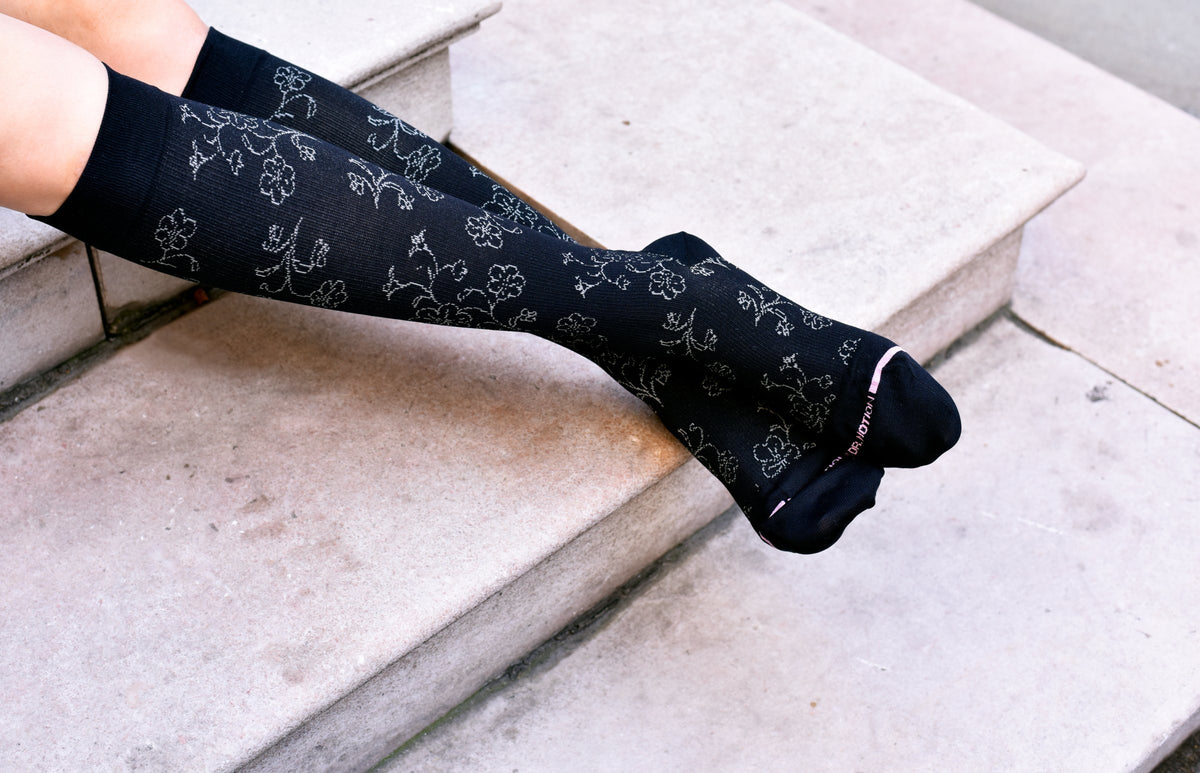
- Graduated compression socks, like Dr. Motion's Everyday Compression™ (8–15 mmHg), give your legs a gentle, supportive hug on long days.
- Check with a doctor if heaviness is new and doesn't ease, affects one leg only, or comes with pain, swelling, redness or warmth.
Why do my legs feel heavy?
Your veins carry blood from your legs back up to your heart, working against gravity the whole way. Every time you walk or flex your ankles, your calf muscles squeeze those veins and help push the blood upward. When you stand or sit still for hours, that "calf pump" takes a break, and blood and fluid can settle in your lower legs. That's the heavy, achy, tired-by-evening feeling so many of us know.
| Everyday reason | How it often feels | What helps |
|---|---|---|
| Standing all day (retail, teaching, salons, warehouse work) | Heavy, achy legs by the end of a shift | Shift your weight, do calf raises, take sitting breaks |
| Sitting for hours (desk, car, couch) | Stiff calves and snug shoes | Stand up and move every 30 to 60 minutes |
| Warm weather | Legs feel puffier and heavier in the heat | Cool shower, shade, plenty of water |
| A tough workout or new routine | Sluggish, heavy muscles the next day | Rest days, gentle movement, stretching |
| Long travel days | Heavy legs and tight shoes on arrival | Walk around, flex and circle your ankles |
| Pregnancy | Heavier, swollen legs, especially later in pregnancy | Put your feet up and ask your provider about compression |
On your feet all day? See Can You Wear Compression Socks All Day? Working at a desk? Read Why Your Desk Job Needs Compression Socks.
7 easy ways to help heavy legs feel lighter
- Wake up your calves. Every 30 to 60 minutes, do 10 calf raises, march in place or take a quick lap around the room.
- Put your feet up. Rest your legs above heart level (a couple of pillows on the couch works) for about 15 minutes after work, or a few times a day.
- Go for a walk. A brisk walk gets your calf pump going again. Want a little structure? Try Japanese walking or the 12-3-30 workout.
- Stretch your calves. A few gentle stretches loosen tight calves after a long day. Try these 6 easy calf stretches.
- Drink water and go easy on salt. Staying hydrated and cutting back on salty snacks can help your legs feel less puffy.
- Mind your posture and shoes. Sit with your feet flat and legs uncrossed. When you stand, spread your weight evenly and choose shoes with cushioning and arch support.
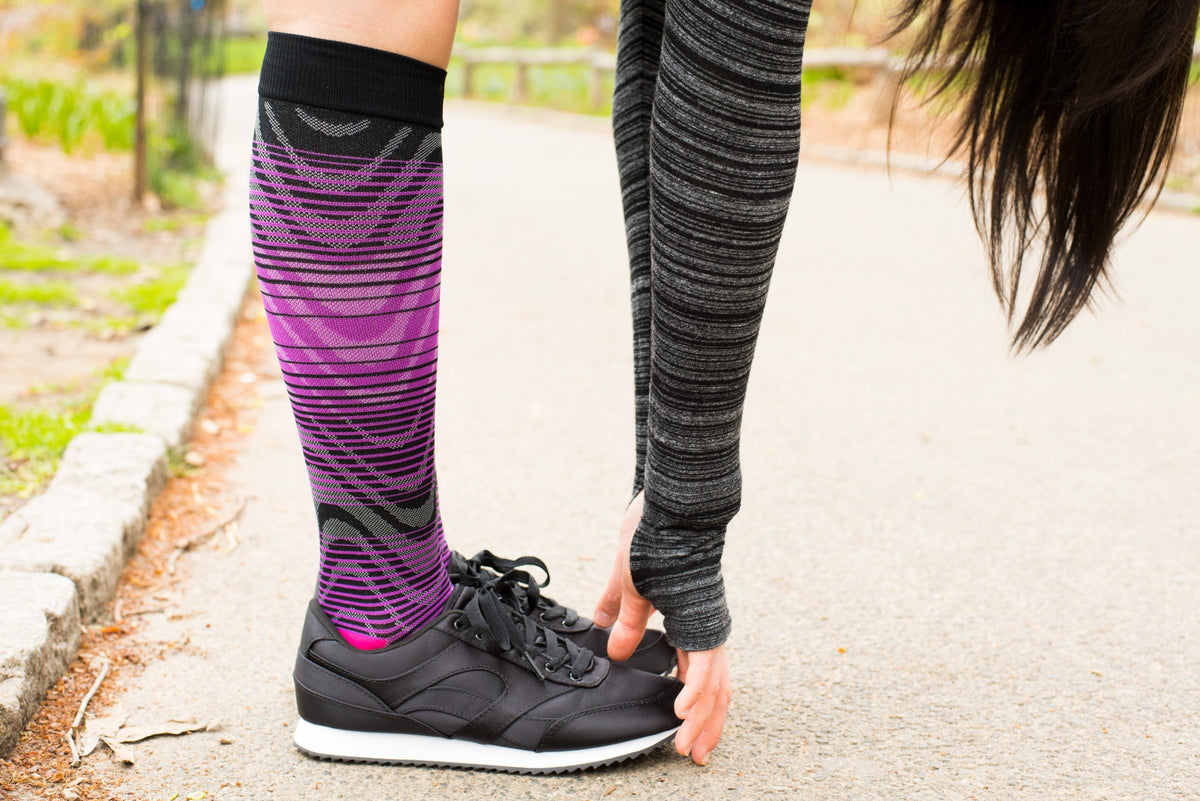
- Try graduated compression socks. They're snuggest at the ankle and ease up toward the knee, giving your legs a gentle, supportive hug through long days. Mild 8–15 mmHg Everyday Compression™ is an easy everyday starting point; moderate 15–20 mmHg feels firmer. Pull the cuff up to just below your knee (never over it) and smooth out any extra fabric. Not sure of your size? Our compression socks sizing guide makes it easy.


Myth buster: heavy legs don't mean you should keep them still. For everyday heaviness, gentle movement usually helps more than staying put, because moving is exactly what your calf muscles are built for.
Why do my legs feel heavy at night?
Heaviness tends to build up over the day, so many people notice it most in the evening. A simple wind-down helps: a short walk after dinner, a few calf stretches, then 15 minutes with your feet up. Wondering about wearing compression socks to bed? Read Compression Socks for Sleeping: Exploring the Pros and Cons.
When to check with a doctor
Everyday heaviness eases with movement and rest. Talk to a doctor or healthcare provider if:
- heavy legs are new, happen regularly or don't ease with rest and movement
- the heaviness comes with pain, swelling, numbness or tingling
- your veins look more bulging, or your skin looks pale, blue or red
- it gets harder to walk or stand as the day goes on
Get medical help right away if one leg suddenly becomes swollen, painful, warm or red.
FAQ
Why do my legs feel heavy and tired?
Most often because you've been standing or sitting still for a long time. Your calf muscles help push blood back up to your heart when you move, so long stretches without moving can leave your legs feeling heavy and tired by the end of the day. Heat, hard workouts and travel can add to it.
Why do my legs feel heavy at night?
Heaviness builds up through the day, so evenings are when many people notice it most. A short walk, a few calf stretches and 15 minutes with your feet up can help you wind down.
How long should I elevate my legs?
About 15 minutes at a time, with your legs above the level of your heart. Doing it a few times a day, or after work, is a simple habit to try.
Can not drinking enough water make my legs feel heavy?
It can contribute. Not drinking enough can lead to leg cramps that feel like heaviness, so keep a water bottle handy, especially on warm days.
Do compression socks help heavy legs?
Graduated compression socks give gentle pressure that's firmest at the ankle and eases up the leg. Many people like wearing them on long days of standing, sitting or travel. If you have a health condition, ask your healthcare provider which compression level is right for you.
Is it normal for my legs to feel heavy after standing all day?
Yes, it's very common, especially if your job keeps you on your feet. Moving your calves regularly, taking sitting breaks and putting your feet up after work can all help.
When should I worry about heavy legs?
Check with a doctor if heaviness is new and doesn't ease, or comes with pain, swelling, numbness or skin changes. Get help right away if one leg is suddenly swollen, painful, warm or red.
Step into lighter legs
Heavy legs are your body's way of saying it's time to move, stretch or put your feet up. Build a few of these small habits into your day, pick a pair of comfy compression socks you love, and step into lighter, happier legs.



Leave a comment
This site is protected by hCaptcha and the hCaptcha Privacy Policy and Terms of Service apply.