

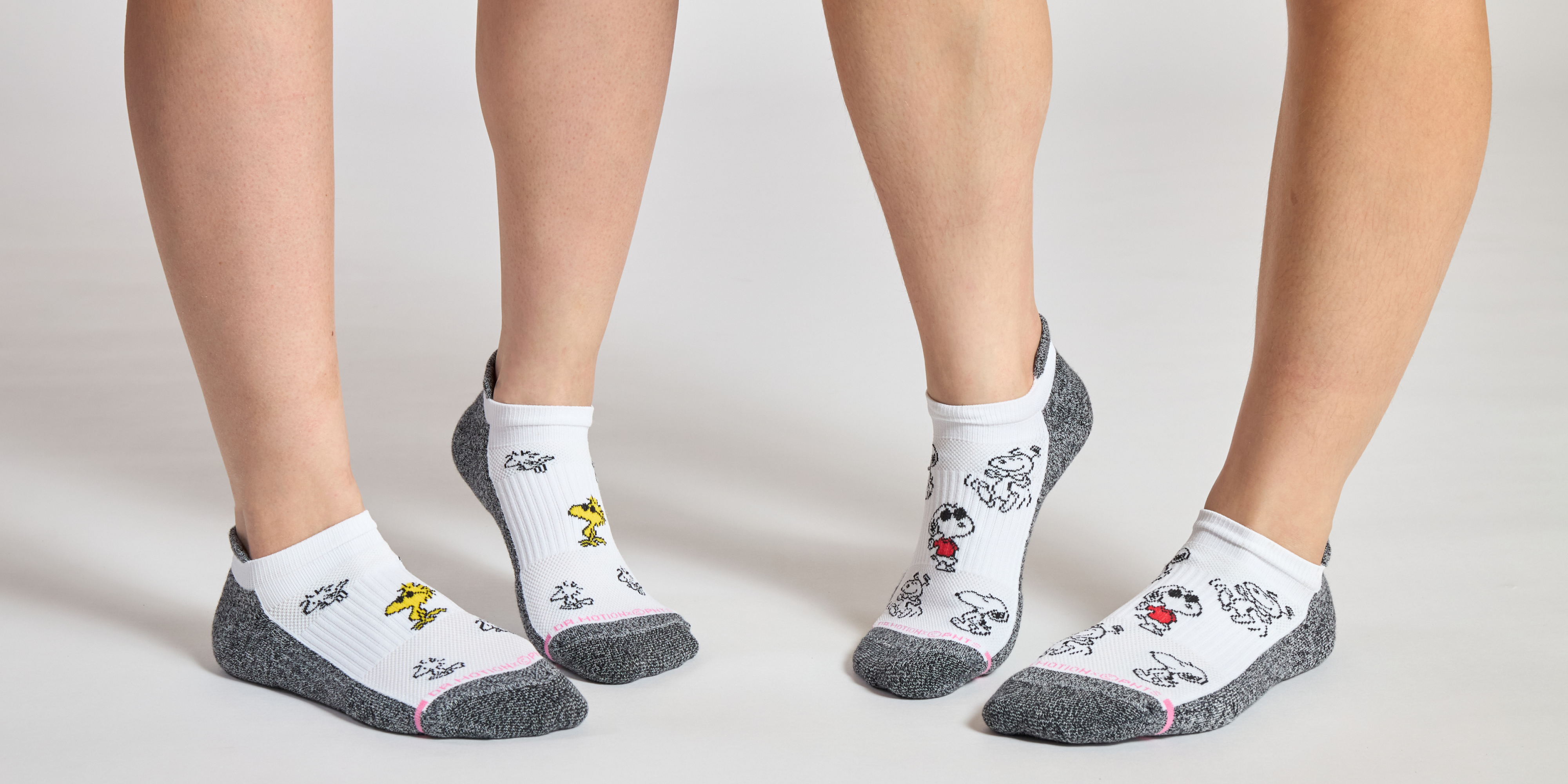
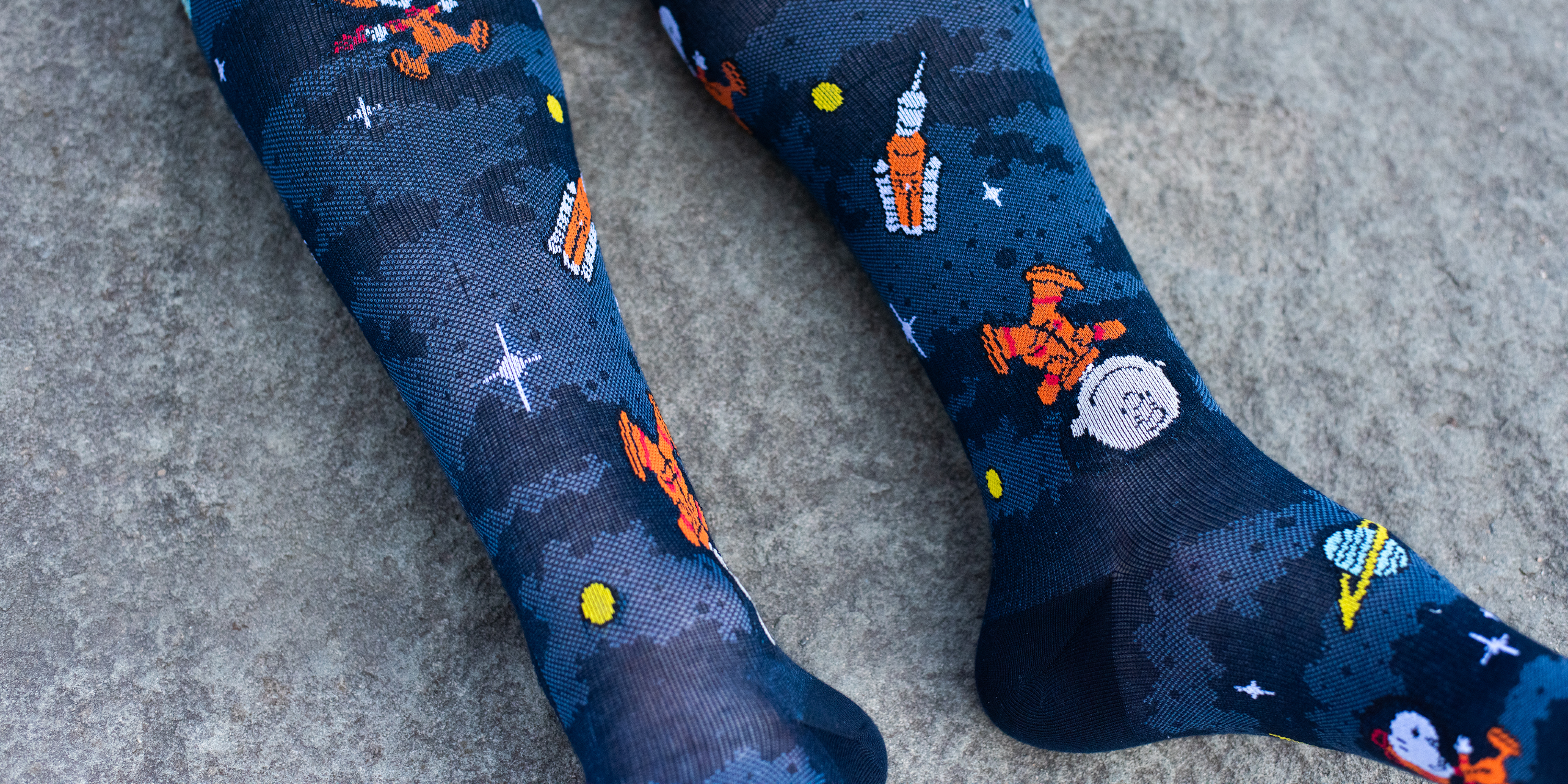

Cold feet aren't always caused by chilly weather. If you have diabetes, you may notice your feet feeling cold more often, even when the rest of your body feels comfortable. While changes in circulation and nerve health are often to blame, the right everyday choices can make a real difference. Along with managing diabetes and cold feet, diabetic socks can help keep your feet warm, comfortable, and better protected throughout the day.
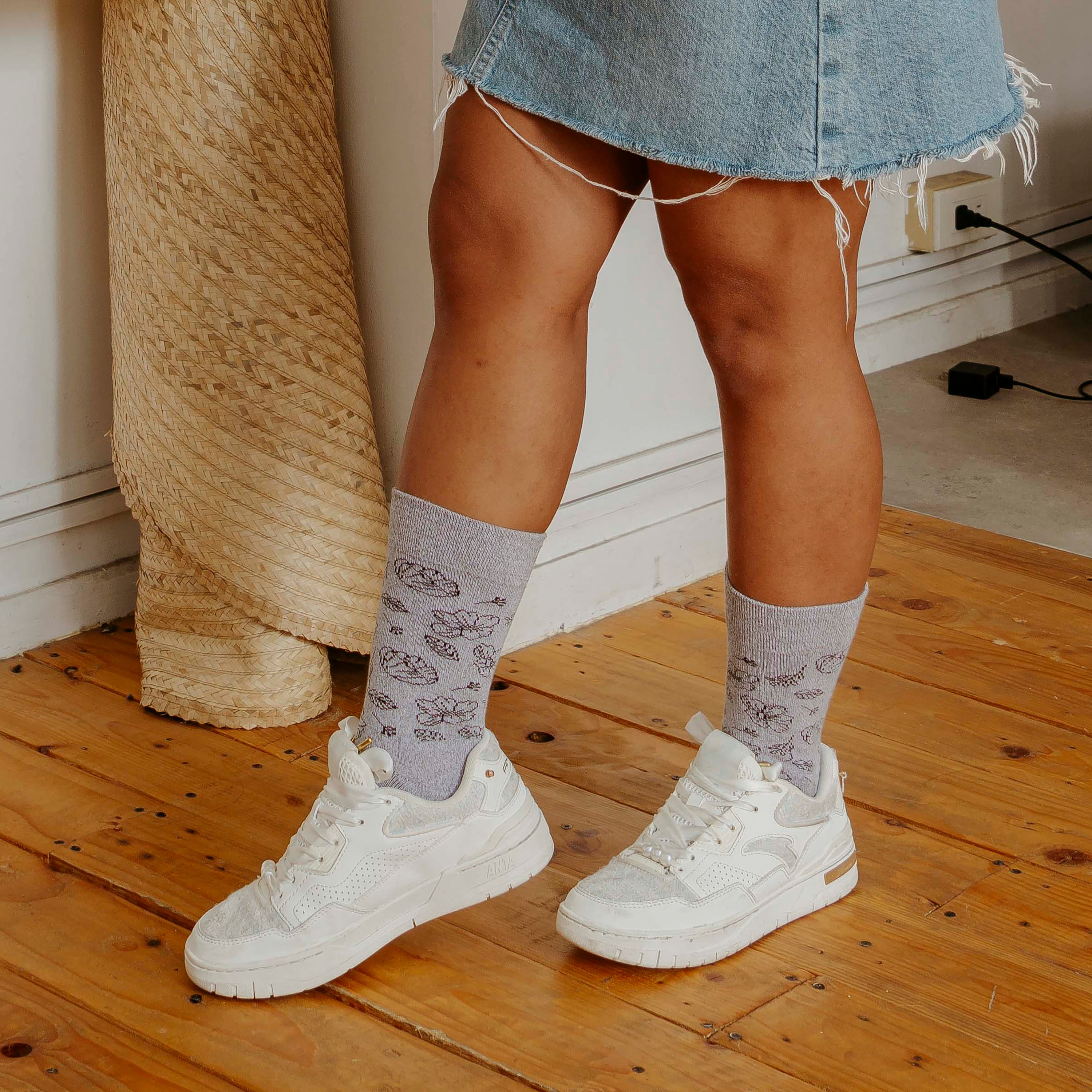
How Diabetes Can Cause Cold Feet
Changes in your body's temperature regulation stem directly from how high blood sugar impacts your internal systems. Two primary physical factors contribute to the loss of warmth in your toes.
-
Poor Blood Circulation
Elevated blood sugar levels can gradually damage the blood vessels that supply your feet and lower legs. As blood flow becomes less efficient, it becomes harder for enough warm blood to reach your extremities, leaving your feet feeling cold. Poor circulation can also slow healing and make it more difficult for your feet to stay healthy over time.
-
Diabetic Neuropathy (Nerve Damage)
Over time, high blood sugar can damage nerves that let you feel temperature, pain, and touch. Your brain may receive conflicting signals as these nerves become less responsive. This is why some people with diabetes feel that their feet are cold, even when they feel warm to the touch. Others may experience numbness, tingling, or a burning sensation instead.
Can Cold Feet Always Mean Diabetes?
Not necessarily. Feeling like your feet are cold doesn't always mean you have diabetes. Poor circulation, thyroid disorders, certain medications, and even colder weather can all leave your feet feeling chilly. If the sensation is persistent, especially when it's accompanied by numbness, tingling, or pain, it's a good idea to speak with your healthcare provider to identify the underlying cause.

Why Foot Care Is So Important for People with Diabetes
Your feet undertake a lot of daily stress, which makes proper foot care very crucial if you have diabetes. Insensitivity of the feet makes small injuries such as cuts and blisters hard to detect, and delayed healing makes it possible for the problem to worsen. Creating a simple daily program based on some of the tips for diabetic foot care could help ensure proper foot care.
Where Do Diabetic Socks Fit In?
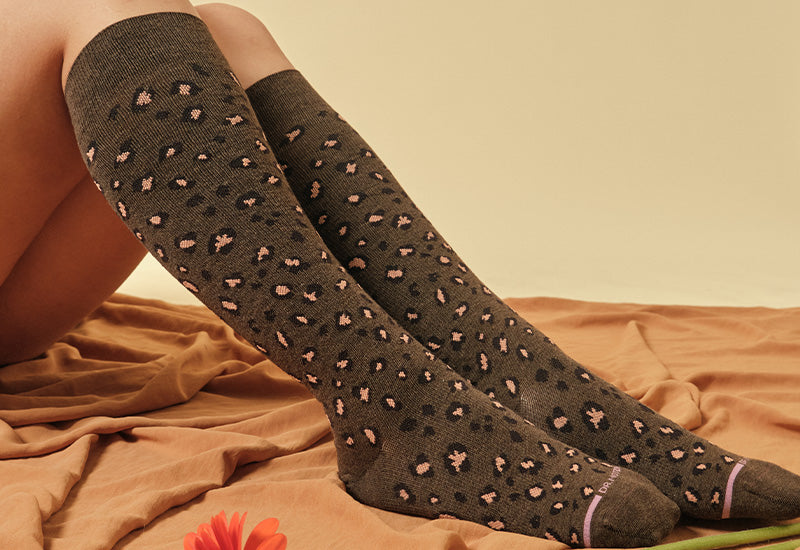
If you're putting effort into caring for your feet, the socks you wear shouldn't be an afterthought. Diabetic socks are made with sensitive feet in mind, offering a gentle fit that doesn't feel tight or restrictive. They also help reduce friction, wick moisture away, and provide added comfort throughout the day. For people who often deal with cold feet, they can be a simple yet worthwhile addition to a daily foot care routine.
How Diabetic Socks Can Help People with Cold Feet
Thoughtful design features address specific physical challenges directly to enhance your daily comfort.
-
Help Keep Feet Warm
Soft, breathable, moisture-wicking fabrics help trap your body's natural warmth while keeping your feet comfortable throughout the day. This extra layer of insulation can make everyday life more comfortable for people managing cold feet and diabetes, especially during colder months.
-
Reduce Friction
Interior seams that aren’t smooth rub on the skin constantly and cause dangerous pressure points. Our diabetic socks are made with smooth, seamless construction to eliminate these abrasive areas. This frictionless interior allows your toes to slide comfortably inside your shoe without the risk of painful blisters or skin tearing.
-
Cushion Sensitive Feet
Additional padding along the sole absorbs the harsh impact of walking on hard surfaces. This built-in cushioning creates a protective barrier between your skin and the hard insole of your shoe. This soft shock absorption is one way diabetic socks help neuropathy by reducing pressure during extended periods of standing.

How to Manage Cold Feet If You Have Diabetes
Implementing proactive daily habits directly improves your physical comfort and long-term health.
-
Keep Blood Sugar Well Managed
Maintaining your glucose numbers within the target range outlined by your doctor stops further damage to your vessels. Strict adherence to your prescribed diet and medication schedule is crucial. This discipline shields your circulatory system from ongoing stress.
-
Stay Physically Active
Continuous physical activity ensures that your blood flows effectively through your body. Walking, swimming, and cycling are great forms of exercise that will push your blood to flow down to your feet. Being regularly active improves your cardiovascular system and generates body heat.
-
Wear Properly Fitting Shoes
Footwear must provide ample space to prevent any restriction of blood flow. Tight shoes squeeze your skin and create friction points that lead to severe wounds.
-
Inspect Your Feet Every Day
A visual inspection is one of the best ways to spot problems with the skin. Check the top, bottom, and areas between your toes using a strong light. Pay particular attention to injuries, blisters, any swelling, discoloration, or redness that may indicate problems. Spotting any of these indicators right away ensures you receive the proper medical attention without delay.
-
Keep Your Feet Warm Safely
Do not use direct heat sources such as electric blankets, heating pads, or very hot water. Impaired sensation causes a lack of accurate surface temperature assessment. Choose heavy blankets and slippers with insulation to safely trap your natural body heat.
How to Choose the Right Diabetic Socks
Finding the perfect pair requires attention to specific design details. Select moisture-wicking fabrics to keep your skin dry and avoid bacterial growth. Look for non-binding cuffs that gently stretch without leaving leg marks. Seamless designs and strategic heel padding eliminate harmful friction while absorbing daily shock. Ensure a snug fit to prevent bunching inside your shoes. Choosing light colors helps you easily spot early signs of skin issues, keeping your daily foot routine perfectly safe.

Comfort and Care in Every Step
Managing diabetes and cold feet often starts with small, consistent habits that protect your feet every day. Along with proper footwear and regular foot checks, the right diabetic socks should be a practical part of your routine. At Dr. Motion, we design our diabetic socks with a non-binding top, seamless construction, and soft cushioning to keep your feet comfortable throughout the day, without unnecessary pressure or irritation.

Leave a comment
This site is protected by hCaptcha and the hCaptcha Privacy Policy and Terms of Service apply.