

Living with diabetes often means paying closer attention to things that might otherwise go unnoticed, especially your feet. A tiny cut, dry skin, or even slight irritation can take longer to heal, which is why daily care becomes important over time. Many of these issues start small and feel easy to ignore, but they can build up if not addressed early.
The good part is that taking care of your feet doesn’t have to feel complicated. With a few simple habits and a bit of awareness, it becomes easier to stay on top of things. Building a routine around foot diabetes care isn’t about getting everything perfect, just about being consistent with what you do each day.

Healthy Daily Habits For Diabetic Foot Care
A few small habits each day can make a real difference when it comes to foot care. Here are a few simple things you can start keeping an eye on.
1. Check Your Feet Every Day
Take a quick look at your feet every day. Check for cuts, redness, swelling, or anything unusual. Even small changes are worth noticing early, as they can become uncomfortable if ignored.
2. Wash and Dry Your Feet Properly
Wash your feet daily with warm water and mild soap. Avoid hot water since it dries your skin more than you realize. Wash them and dry them properly, especially in between your toes, as leftover moisture can cause irritation or pain.
3. Moisturize to Prevent Cracks
If your feet feel dry, use a light moisturizer to keep the skin soft. Heels tend to crack if left dry for too long. Just make sure you don’t apply lotion between your toes, as too much moisture there can lead to other issues like skin irritation or fungal infection over time.
4. Trim Nails Safely
Keep your nails neat and trimmed straight across. Try not to cut them too short to avoid discomfort later. If the edges feel sharp, you can smooth them with a file.
5. Wear Clean, Comfortable Socks
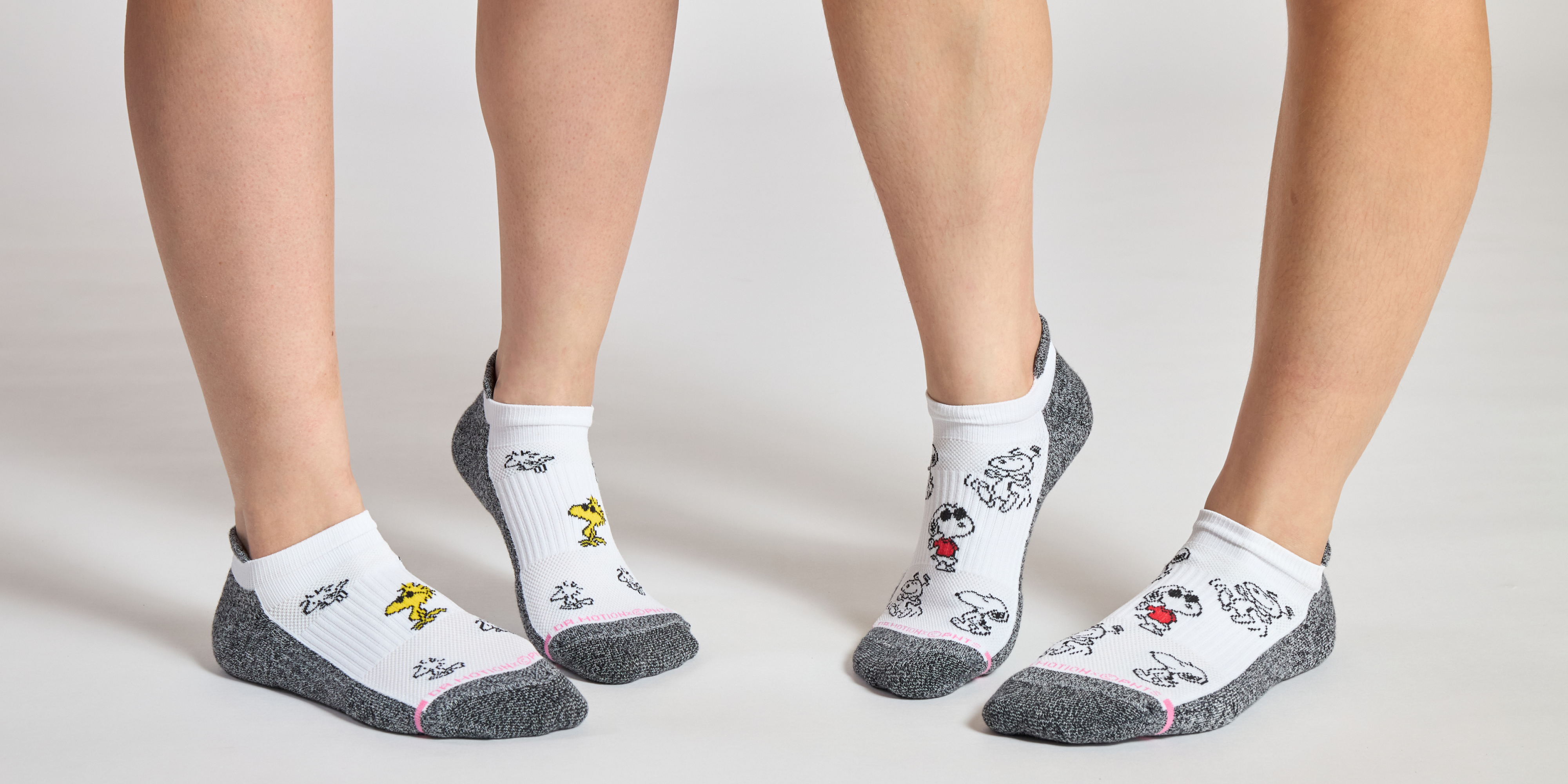
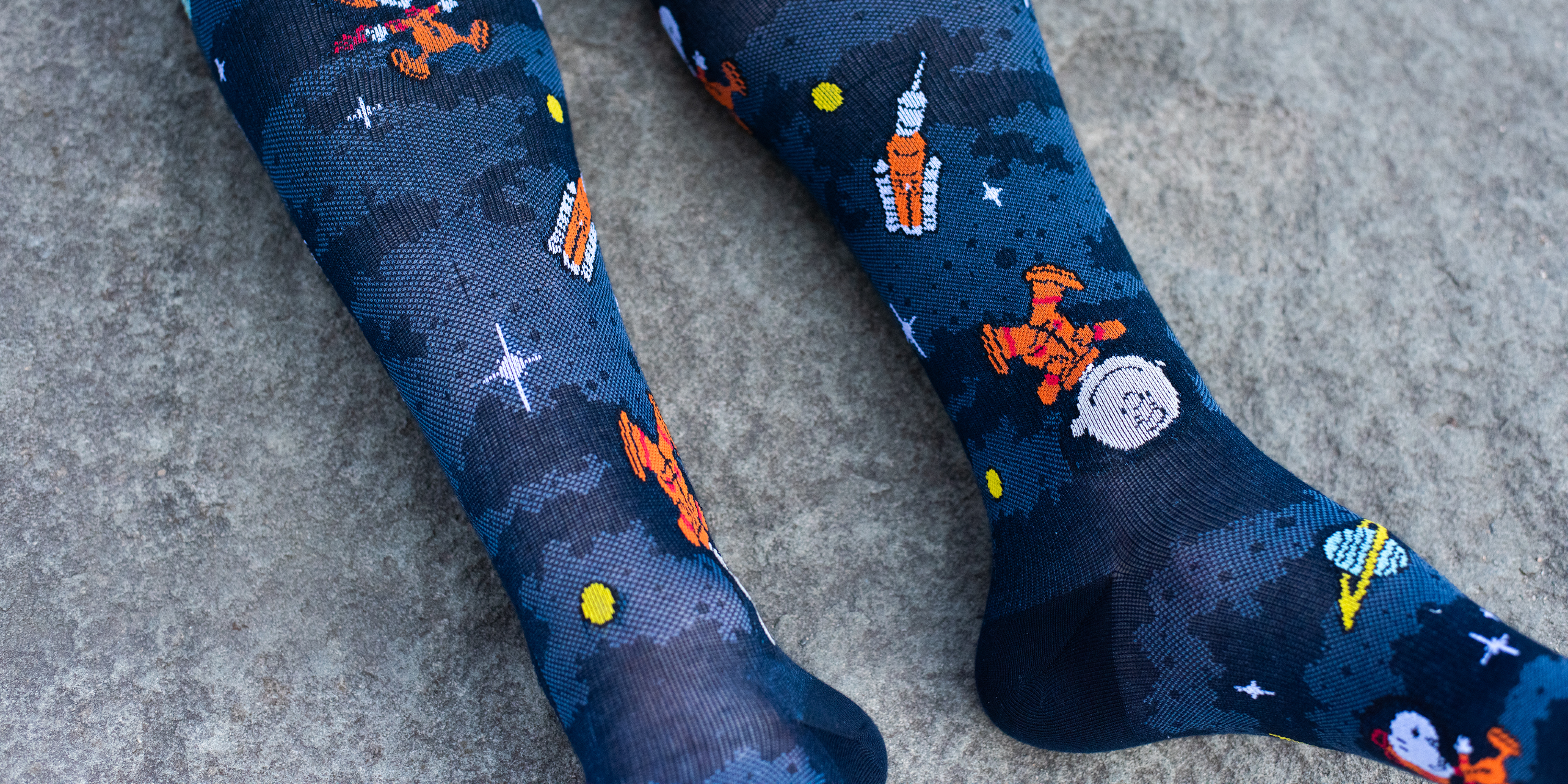
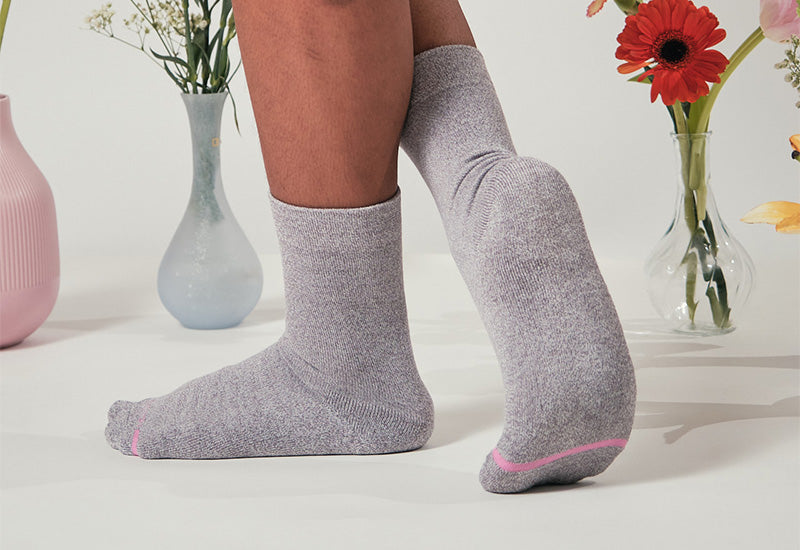
Since socks are worn for long hours, it’s important to choose pairs that feel comfortable throughout the day. Many people prefer diabetic socks that are soft, breathable, and non-binding, as they help reduce friction and keep the feet feeling at ease.

6. Avoid Walking Barefoot
Walking barefoot, even at home, isn’t always a good idea. You might step on something like a small crumb or a sharp bit on the floor and not realize it straight away. Wearing simple slippers indoors can help protect your feet from cuts or small injuries.
7. Wear Properly Fitted Shoes
Well-fitted shoes help to reduce unnecessary pressure and friction. Tight shoes may put stress on the skin, while loose ones might cause friction. Choosing shoes that are comfortable from the start makes a noticeable difference.
8. Protect Your Feet from Extreme Temperatures
Use lukewarm water when washing your feet, and avoid very hot temperatures. Being mindful of extreme heat or cold can help prevent dryness or discomfort over time.
9. Manage Blood Sugar Levels
Keeping your blood sugar within a healthy range supports your overall foot health. When levels are steady, your body handles small cuts or skin changes better, which helps lower the chances of further issues.

Common Foot Problems in Diabetes and Why Foot Care Matters
Foot health can be affected in several ways when living with diabetes, largely due to changes in circulation and nerve function.
-
Dry Skin and Cracking
The skin on your feet can become dry, which is quite common with diabetes. Over time, this dryness can lead to cracks, especially around the heels. If not taken care of, these cracks can get deeper and make the skin more sensitive to irritation.
-
Calluses and Pressure Build-Up
Calluses tend to form in spots that keep taking the load, like the heel or the ball of the foot. It often comes down to the way shoes fit or how you walk. They’re common, but if the layer gets too thick, that area can start to feel sore.
-
Blisters and Friction-Related Damage
Blisters usually come from rubbing your skin against the inside of the shoe. It can be a tight pair, a loose one, or just long hours on your feet. Once the skin starts to rub, a blister can form, and it gets worse if the rubbing doesn’t stop.
-
Peripheral Neuropathy (Reduced Sensation)
Diabetes can affect how your nerves function, which may reduce your ability to feel pain, heat, or injury. Because of this, small cuts or irritation may go unnoticed, making it important to check your feet regularly.
-
Delayed Wound Healing
Circulatory changes associated with diabetes can affect how quickly the body recovers. Even minor cuts or sores may take longer to heal. Without timely care, these wounds may require more attention and can become difficult to manage.
-
Changes in Skin Color, Temperature, or Swelling
Skin color changes, warmth in certain areas, or swelling can sometimes point to irritation or pressure. These signs may not hurt, which makes them easy to overlook, but they’re still worth noticing early, as they can indicate that something needs a closer look.

Why Foot Care Matters
Because many of these concerns develop gradually and may not always be immediately noticeable, regular care plays an important role in managing foot health. Noticing early signs, maintaining daily hygiene, and choosing appropriate footwear can help reduce the likelihood of complications. Following practical tips for diabetic foot care allows for early intervention and supports better long-term outcomes.
Support Your Foot Care Routine with the Right Footwear and Socks
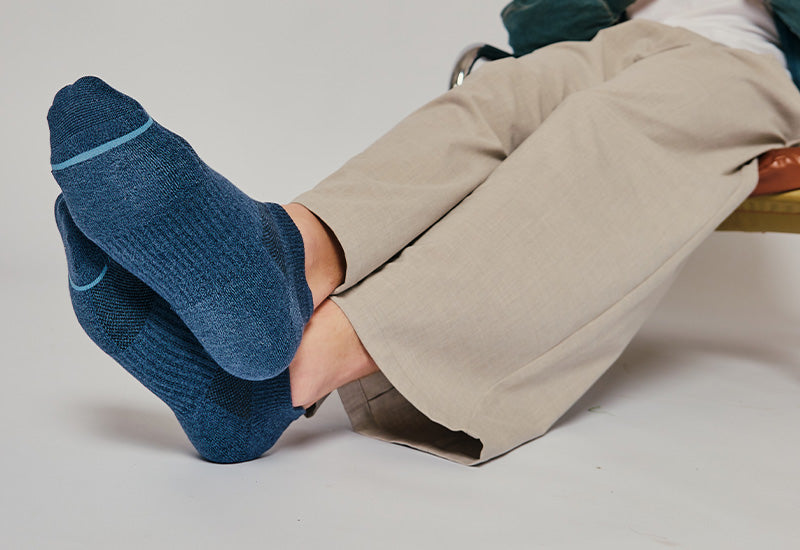
The right footwear can help reduce pressure and prevent rubbing, which is especially important when your feet are more sensitive. Socks also play a key role here. Our diabetic socks for women are designed with a non-binding top that avoids tightness, along with a seamless construction that helps reduce friction. Breathable, moisture-wicking fabrics help keep the feet dry, while antimicrobial properties support overall foot hygiene. Added cushioning in key areas provides extra comfort, so they feel easy to wear through the day without causing irritation or discomfort.
When to Get Medical Help for Foot Problems
Seek medical advice if you notice cuts, blisters, or sores that are not healing, or if there is persistent redness, swelling, or warmth in any area. Changes in skin color, unusual discharge, or increasing pain should also be checked. Early consultation helps prevent complications and ensures the right care is provided in time.

Final Thoughts
Taking care of your feet is an essential part of living with diabetes, and simple, consistent habits can support proper diabetic foot car over time. Staying mindful of comfort, hygiene, and everyday choices helps reduce the chances of discomfort.
If your focus is on protecting sensitive feet, our diabetic socks are designed to offer a soft, non-binding fit. They are made with breathable materials, a gentle stretch, and a smooth finish that helps reduce friction—making them comfortable for long hours of everyday wear.
Disclaimer: This article provides information solely for educational purposes, including but not limited to text, graphics, images, and other materials contained herein. This article is not intended to substitute for professional medical advice, diagnosis, or treatment. Always seek the advice of your physician or another qualified healthcare provider with any questions you may have regarding a medical condition.


Leave a comment
This site is protected by hCaptcha and the hCaptcha Privacy Policy and Terms of Service apply.