


If standing up too fast leaves you dizzy or reaching for a chair, you have probably heard someone suggest compression socks for dysautonomia. It is common advice, and many people with autonomic symptoms do find that graduated compression makes standing and daily movement more manageable. But not every type of dysautonomia responds the same way, and not every compression product is built for the same job. Here is a closer look at what compression socks can realistically do for your symptoms.

What Is Dysautonomia?
Dysautonomia is an umbrella term for conditions that affect the autonomic nervous system, the part of the body that runs functions you do not consciously control. Blood pressure regulation, heart rate, digestion, and how your blood vessels tighten or relax when you change position all fall under this system. When it is not working correctly, everyday actions like standing up from a chair can trigger dizziness, a racing heart, or fainting. Because the autonomic nervous system touches so many functions at once, symptoms look different from person to person, which is part of why treatment, including compression therapy, is not one-size-fits-all.
Which Types of Dysautonomia May Benefit from Compression Socks?
Compression is not a blanket solution for every autonomic condition, but a few specific types tend to respond well to it.
-
POTS (Postural Orthostatic Tachycardia Syndrome): People with POTS often experience blood pooling in the legs when they stand, contributing to a rapid heart rate. Compression socks for POTS are frequently recommended to improve standing tolerance.
-
Orthostatic Hypotension: This is a drop in blood pressure upon standing. Wearing compression socks for orthostatic hypotension may help support venous return when gravity works against it.
-
Neurocardiogenic (Vasovagal) Syncope: For people prone to fainting triggered by prolonged standing, compression can reduce blood collection in the lower legs.

When Compression Socks May Not Be Helpful
Compression therapy has real value, but it is not automatically the right tool for every form of dysautonomia.
-
Multiple System Atrophy (MSA): This condition involves a more complex breakdown of autonomic function, requiring close medical supervision rather than compression garments alone.
-
Pure Autonomic Failure (PAF): Benefits vary widely from person to person, so specialist guidance is important before relying on compression.
-
Non-circulatory symptoms: Dysautonomia can also affect digestion, bladder function, sweating, and temperature regulation. Compression socks work on blood flow in the legs, not these broader autonomic processes.
When, How & How Long Should You Wear Compression Socks?
Getting the timing and fit right matters just as much as choosing the socks themselves. Put your socks on first thing in the morning, ideally before you get out of bed, since your legs swell less overnight and the socks go on more easily. Wearing them consistently through the day, especially during standing or long periods of sitting, tends to offer the most benefit. Most people can wear graduated compression socks for the full day and remove them before sleep, unless a doctor advises otherwise. Fit matters too: socks that are too tight can restrict circulation rather than support it, while loose ones will not provide meaningful compression. If you are new to compression therapy, starting mild and monitoring how your body responds is a sensible approach.

Choosing the Right Compression Socks for Dysautonomia
Not all compression is created equal, and understanding the basics of graduated compression helps you choose wisely.
-
Graduated compression socks are tightest at the ankle and gradually loosen moving up the leg, which encourages blood to flow upward toward the heart instead of pooling. This is the mechanism behind the benefits of compression socks for dysautonomia in the first place.
-
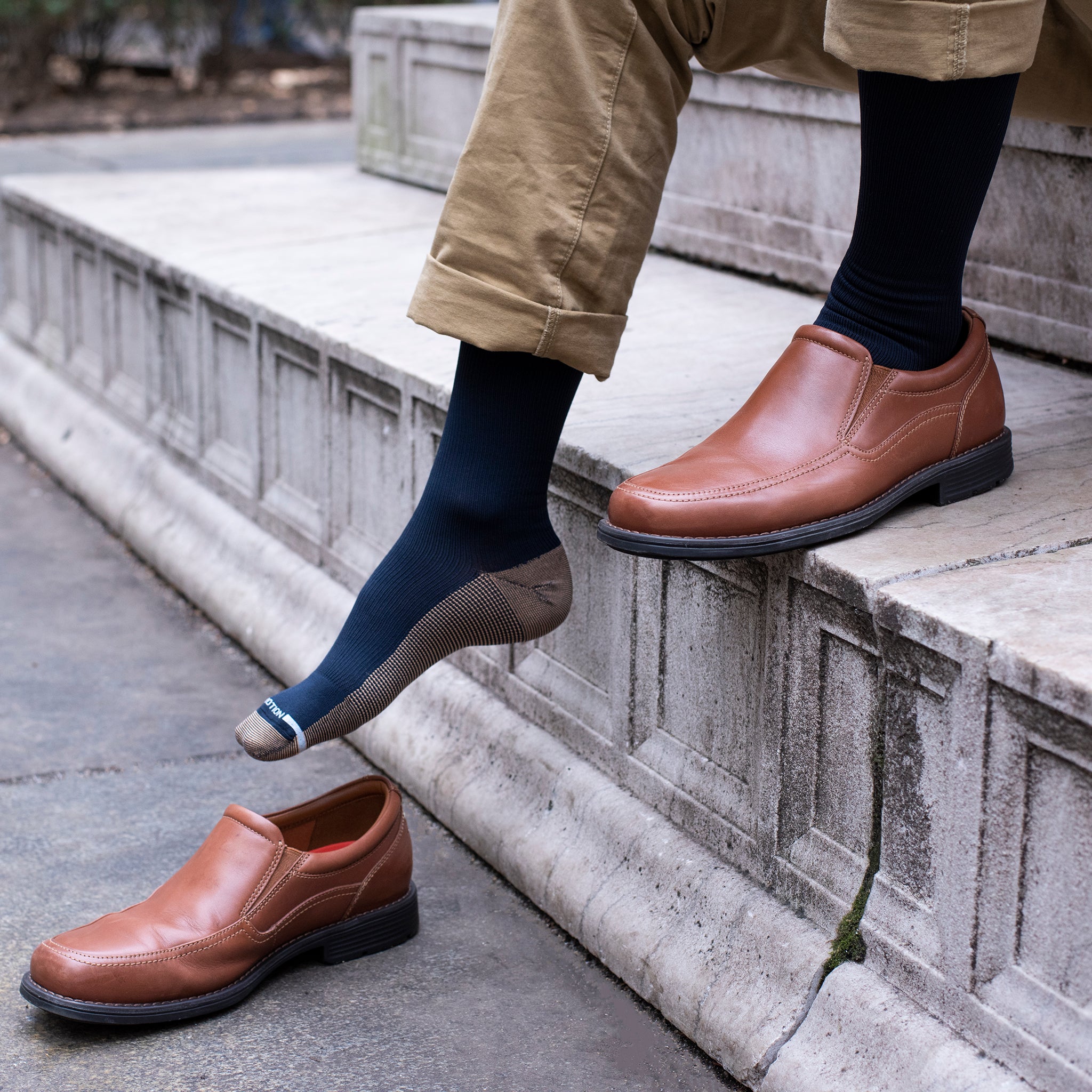
Coverage matters too. Knee-high compression socks are a common starting point and work well for general circulation support and everyday leg fatigue. That said, when compression is used as part of a comprehensive POTS or dysautonomia management plan, specialists often recommend waist-high or thigh-high medical-grade garments delivering 20 to 30 mmHg or 30 to 40 mmHg of pressure. The right length and pressure level really depend on where your symptoms show up, which is a conversation worth having with your doctor.
-
Beyond length and pressure, look for a snug but comfortable fit, breathable fabric you can wear for hours without irritation, and a compression level appropriate to your symptoms rather than the highest number available.
Managing Dysautonomia Beyond Compression Socks
Compression socks work best as one piece of a larger strategy rather than a stand-alone fix. Staying well hydrated helps maintain blood volume, which directly supports blood pressure stability. Many people also find that a gradual, doctor-approved exercise routine, particularly recumbent or low-impact activity, helps the body adapt over time.
Dietary adjustments, such as increasing sodium intake when advised by a provider, are sometimes part of a treatment plan too. Medications may be prescribed depending on the type and severity of dysautonomia involved. Small habits, like standing up slowly and elevating your legs when resting, add up alongside these bigger strategies.
When to Speak with Your Healthcare Provider
Compression socks can offer meaningful support, but they are not a diagnostic tool or a cure. If you are experiencing persistent dizziness, fainting spells, worsening symptoms, or you are simply unsure whether compression therapy fits your specific condition, it is time to talk to a healthcare provider. They can confirm the type of dysautonomia you are dealing with and recommend the compression level, garment length, and broader treatment plan that fits your needs.

Why Choose Dr. Motion Compression Socks for Dysautonomia Support
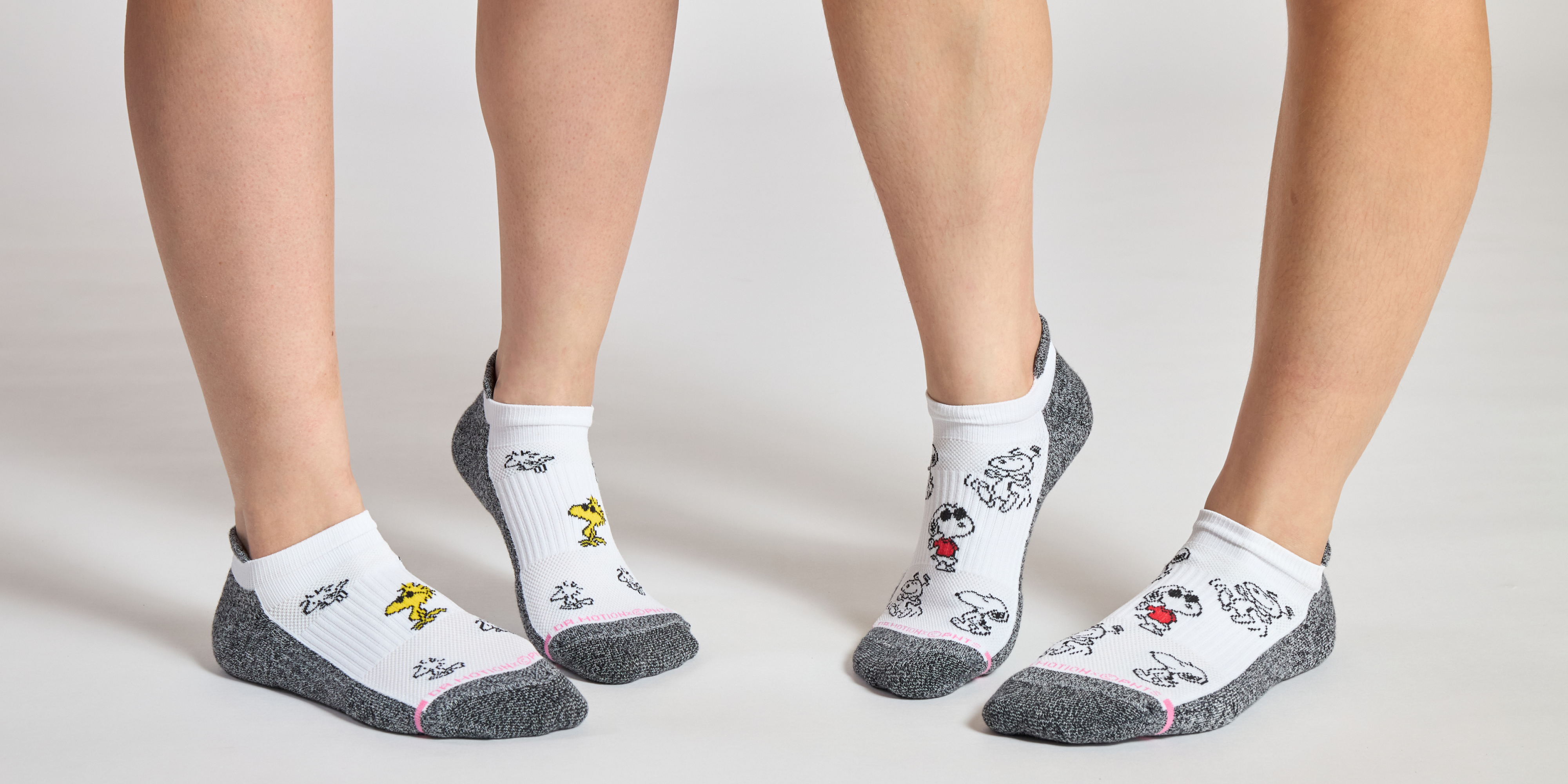
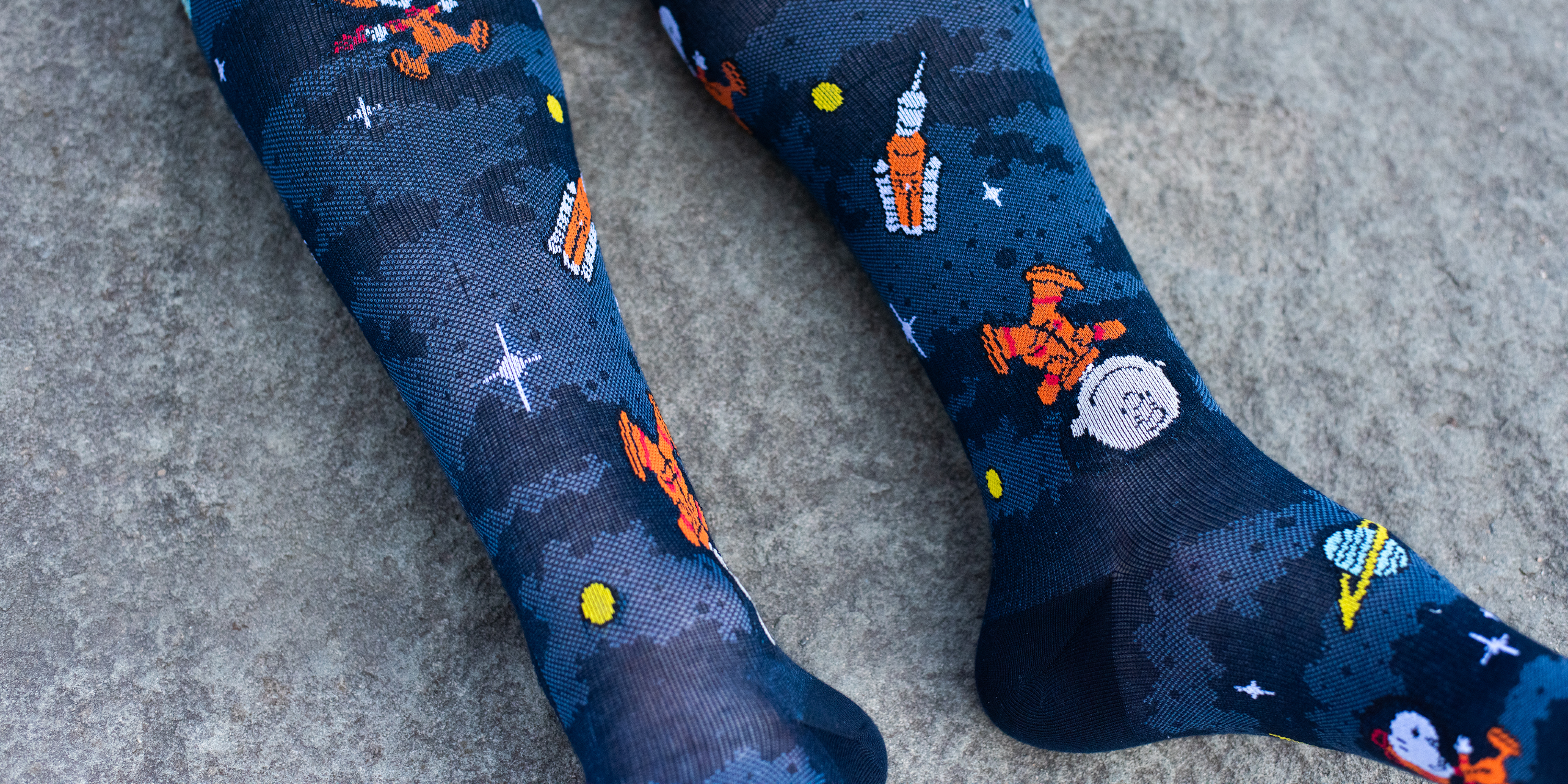
Living with dysautonomia often means paying closer attention to small daily choices, and what you put on your feet each morning is one of them. We design graduated compression socks with breathable, soft fabrics built for comfort during long days, whether you are managing standing tolerance, easing everyday leg fatigue, or simply looking for reliable support that fits into your routine.
If you are exploring the best compression socks for dysautonomia support, our Everyday Compression™ Collection offers a comfortable entry point for milder symptoms, while our Graduated Compression Tights provide targeted pressure of about 18 mmHg at the ankle, gradually easing to around 5 mmHg at the thigh. These are built for gentle, all-day comfort. They can be a nice addition to your routine alongside whatever compression level your provider recommends for your specific symptoms.
Whatever stage of your dysautonomia journey you are in, the right pair of socks should feel like one less thing to think about, and a lot more like quiet, comfortable support behind the scenes. Explore our selection of socks today!
Disclaimer: This article provides information solely for educational purposes, including but not limited to text, graphics, images, and other materials contained herein. This article is not intended to substitute for professional medical advice, diagnosis, or treatment. Always seek the advice of your physician or another qualified healthcare provider with any questions you may have regarding a medical condition.



Leave a comment
This site is protected by hCaptcha and the hCaptcha Privacy Policy and Terms of Service apply.