

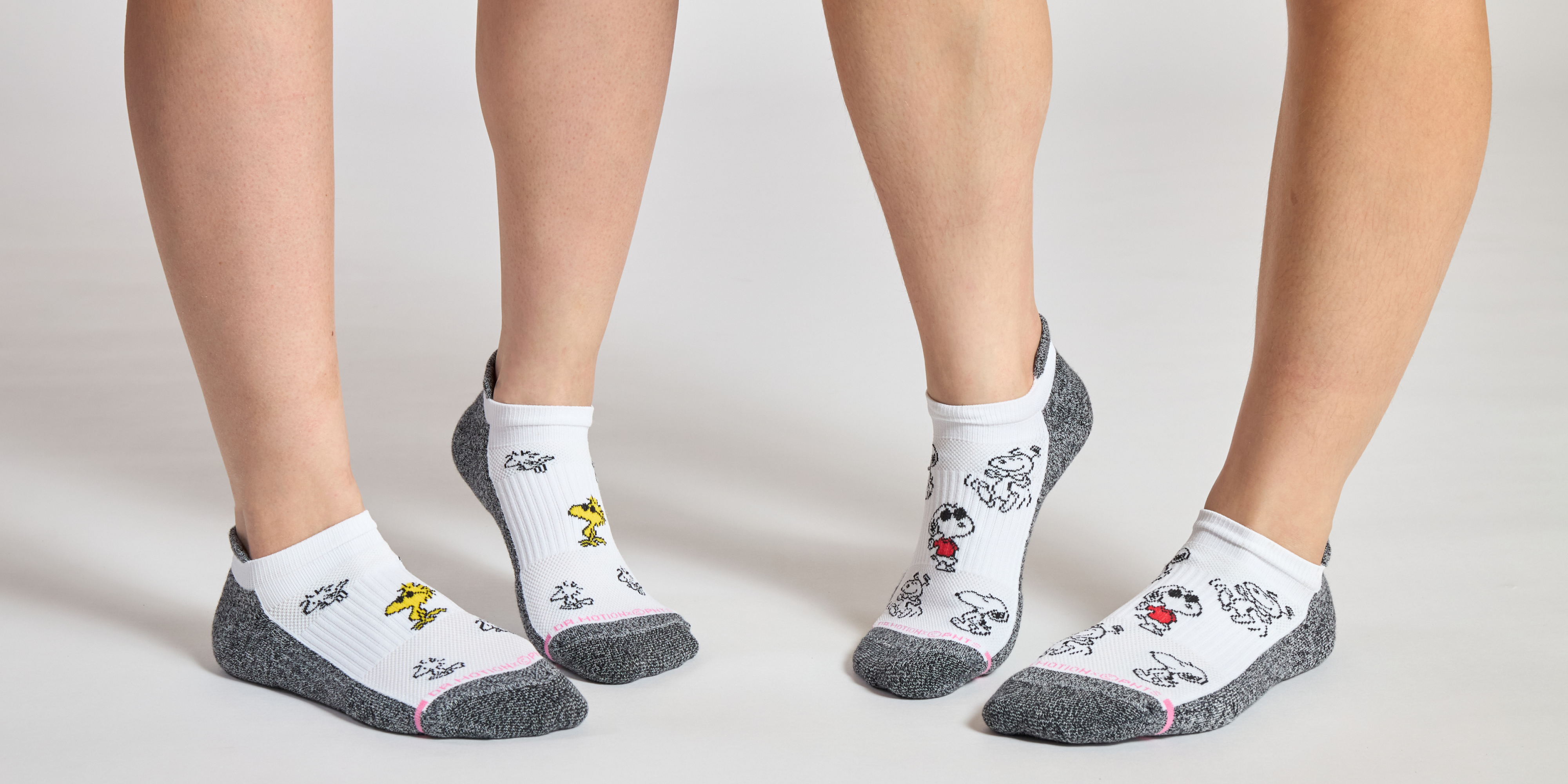
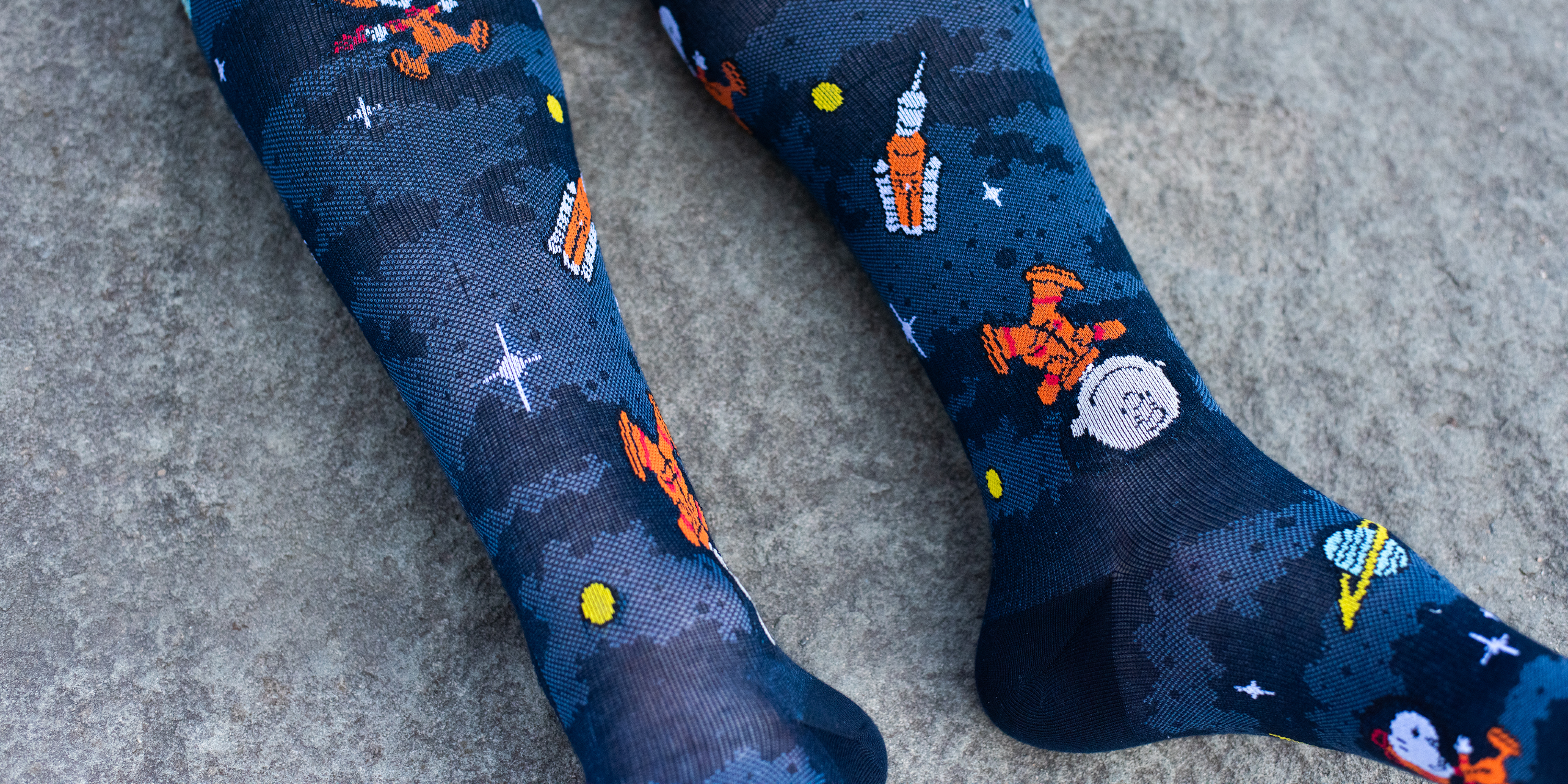
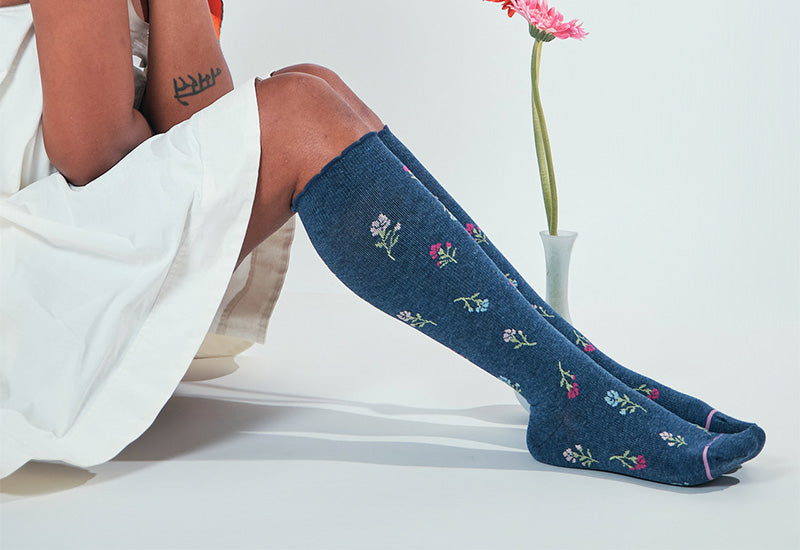
You planned the perfect day outdoors. The route mapped out, the right shoes on, a full day of activity ahead. But by midday, your legs are red, your calves ache, and something that looks like a rash is creeping up from your ankles. If this sounds familiar, you are not alone, and there is a good reason it keeps happening to people at theme parks and on golf courses. Understanding what is behind it and what you can actually do can make the difference between a day you need to push through and one you genuinely enjoy.

What Is Disney Rash (Golfer's Vasculitis)?
Disney rash, also known as Golfer's Vasculitis and clinically referred to as Exercise-Induced Vasculitis (EIV), is a condition where small blood vessels near the skin's surface become inflamed, producing a red, blotchy rash that typically appears on the lower legs, ankles, and feet. It is generally harmless and resolves with rest, but it can be uncomfortable and alarming when it appears mid-activity. It tends to affect adults over 50 most frequently, though it is by no means limited to that age group.
Why Disney Rash Is So Common at Theme Parks and on Golf Courses
Several factors specific to these settings combine to make them ideal conditions for it to appear.
-
Hours of continuous walking on hard surfaces: Sustained pressure with little variation reduces blood return from the lower legs over time.
-
Heat and humidity: Hot environments cause blood vessels to dilate, adding strain on an already-taxed circulatory system.
-
No leg elevation throughout the day: Staying upright for hours with no breaks means fluid that pools in the lower legs has nowhere to drain back to.
-
Reduced venous tone: In some adults, veins lose elasticity with age and become less effective at pushing blood back up from the legs on their own.
-
No compression or structured sock support: Without counter-pressure around the ankle and lower leg, fluid accumulation goes unchecked throughout the day.

How Compression Socks Support Your Legs During Long Days on Your Feet
Compression socks for Disney rash are not a cure, but they address the specific circulatory demands of a full walking day in a way that regular socks cannot.
-
They assist blood return against gravity. Graduated compression socks apply maximum pressure at the ankle, tapering toward the calf, actively helping blood flow back toward the heart during hours of upright activity.
-
They limit fluid accumulation before it builds. Compression creates an external pressure barrier that restricts how much fluid can pool in the lower leg tissue, keeping legs feeling lighter through the afternoon.
-
They support superficial blood vessels. External compression helps maintain structural support for the small vessels near the skin's surface, reducing the likelihood of visible inflammation over the course of the day.
-
They counter the effects of heat on circulation. Compression helps regulate how much vessels expand under warm, humid conditions, providing a stabilizing effect that matters on outdoor walking days.
-
They reduce leg fatigue over long distances. When circulation is supported, muscles recover faster between steps. This is a key reason compression socks for golfer's vasculitis are recommended for high-activity days.
Compression Socks Before, During, or After Walking: When Do They Work Best?
This is one of the most practical questions anyone planning a full walking day can ask, and the answer is straightforward.
-
Before: Put compression socks on before you leave, before any swelling begins. Once fluid has started to accumulate, compression is playing catch-up. Wearing them from the start means they are working in your favor from step one.
-
During: Keep them on for the entire outing. Removing and re-applying mid-day is less effective than consistent wear. On an eight-plus-hour day, continuous compression is where the real benefit is.
-
After: If your legs still feel heavy when you return, keep the socks on while you rest with your legs elevated above heart level for 20 to 30 minutes. Compression paired with elevation helps the body clear accumulated fluid more quickly than either alone.

Choosing the Right Compression Socks for Disney Rash
The details matter when you are asking socks to work for six to ten hours straight.
-
Choose graduated compression: The ankle-to-calf gradient is what makes compression effective at supporting venous return. Uniform-pressure socks do not deliver this.
-
15 to 20 mmHg range for activity days: This level provides meaningful circulatory support without being too restrictive for extended wear.
-
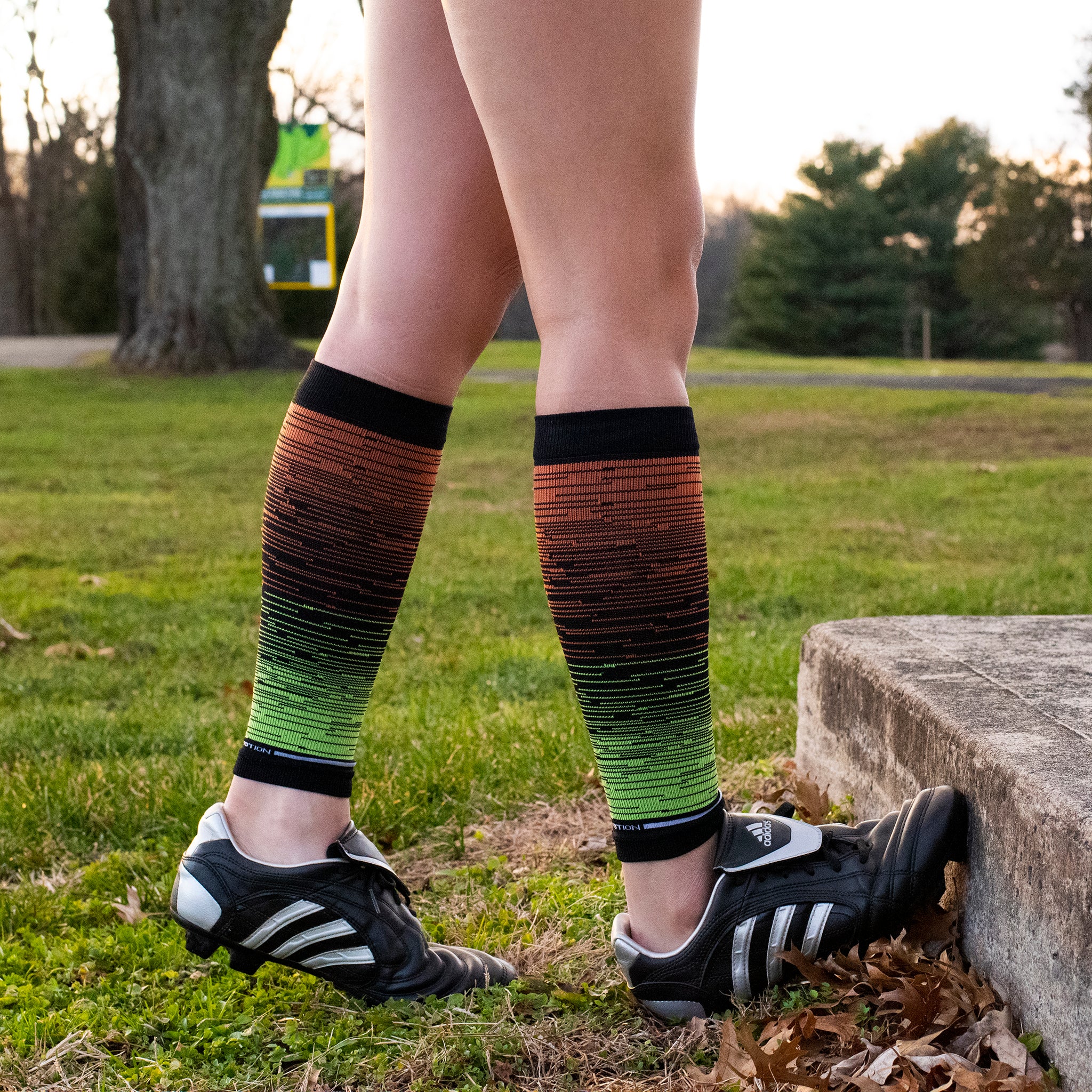
Go with knee-high compression socks: Ankle or crew-height socks leave the calf uncovered, which is precisely the zone most affected. Knee-high compression socks cover the ankle, calf, and lower knee. Sandal wearers can get the same coverage with calf compression sleeve options.
-
Look for breathable, moisture-wicking fabric: Nylon blends or moisture-managed fabrics keep you dry and comfortable as temperatures rise through the day.
-
Get the sizing right: A sock that is too tight at the top restricts circulation at the knee. Too loose, and you get no compression. Measure your calf circumference and use a size chart.
Planning a Full Day of Walking? Here's How to Prepare Your Legs
Compression socks work best as part of a broader approach to leg care on high-demand days.
-
Wear compression socks before heading out so they are working before swelling has a chance to start.
-
Stay hydrated throughout the day. Dehydration thickens blood and makes circulation less efficient, compounding the strain of prolonged walking in heat.
-
Wear supportive walking shoes. Good footwear and calf compression sleeves together provide a more complete lower-leg support system than either alone.
-
Take shaded or indoor breaks. Getting out of direct heat for fifteen minutes every few hours gives your vascular system a recovery window.
-
Stretch when possible. Calf raises and ankle rotations during seated breaks stimulate blood flow and reduce stiffness across a long day.
-
Elevate your legs. End every high-activity day with at least twenty minutes of leg elevation to help clear accumulated fluid overnight.
When to See a Doctor Instead of Self-Managing
Disney rash typically resolves with rest, but some situations call for professional evaluation.
-
The rash is accompanied by significant pain, not just mild discomfort or itching.
-
Swelling does not reduce after a full night of rest and elevation.
-
The rash spreads rapidly or appears in unexpected areas beyond the lower legs.
-
You have a history of vascular disease, blood clots, or lymphedema and have not consulted a doctor about compression use.
-
You take blood thinners or cardiovascular medications that could affect how your legs respond to compression.

Why Choose Dr. Motion Compression Socks for Long Walking Days?
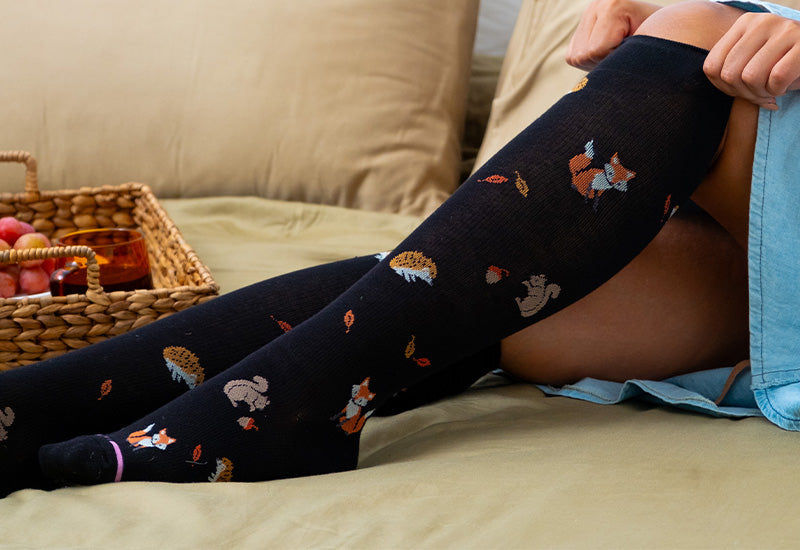
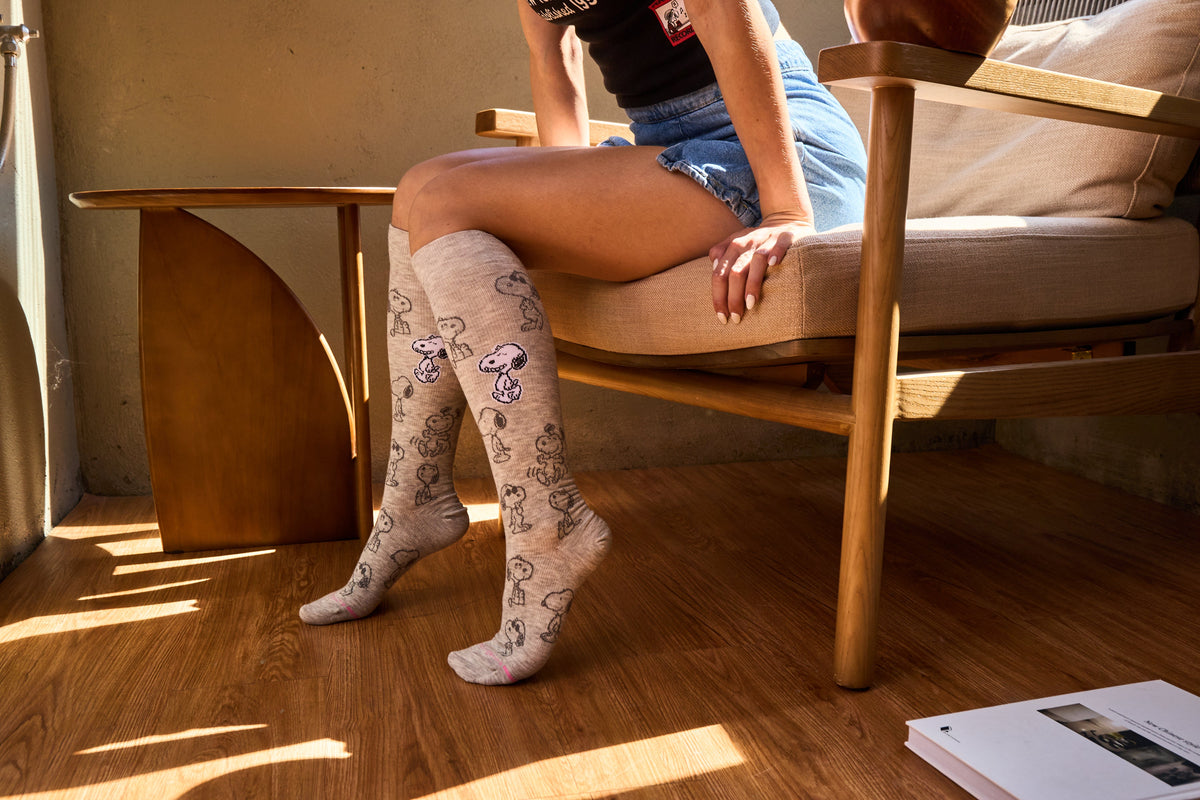
Disney rash thrives on long walking days with no leg support. Wearing the right compression sock is one of the most practical ways to keep your legs going strong from start to finish. Our graduated compression socks from our Moderate Compression Collection help you with the following features:
-
Moderate 15-20 mmHg compression that improves blood circulation by increasing oxygen and blood flow for enhanced stamina and faster recovery.
-
A nylon-spandex blend construction that holds its shape and compression through hours of continuous wear.
-
Moisture-wicking treatment that keeps feet cool and dry by pulling sweat away from the skin throughout the day.
-
Anti-microbial and anti-odor properties that prevent fungus and odor buildup even after hours of continuous wear.
Ready to stop ending long days with swollen, aching legs? Explore our full collection and find the right pair before your next big day out.

Leave a comment
This site is protected by hCaptcha and the hCaptcha Privacy Policy and Terms of Service apply.