

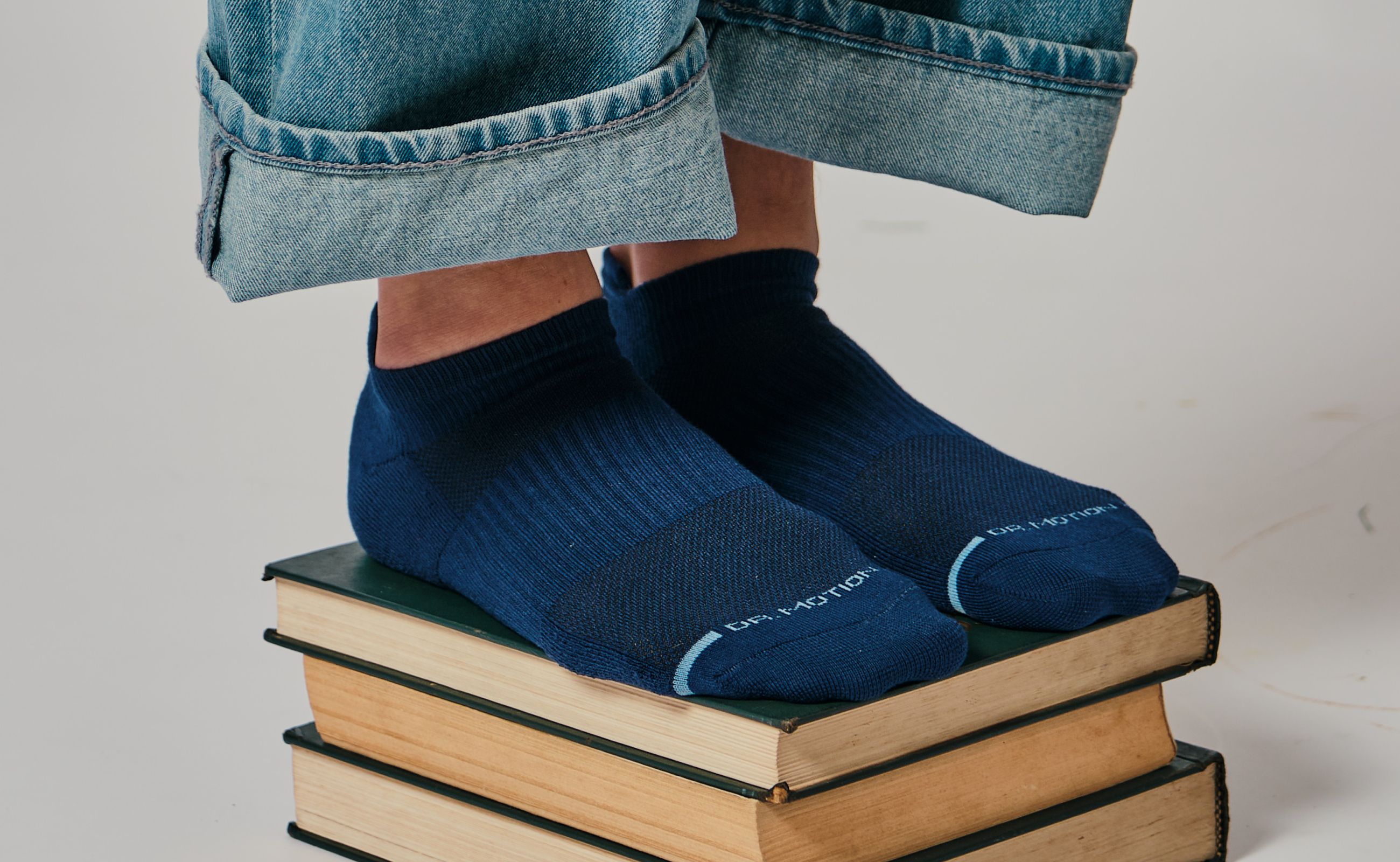
Compression Socks for Compartment Syndrome: Can They Help?
Many people searching for compression socks for compartment syndrome want a straightforward answer. The honest truth is that the answer depends entirely on which form of the condition you are dealing with. The reality is more nuanced than a simple yes or no, and that distinction matters more than most people realize.
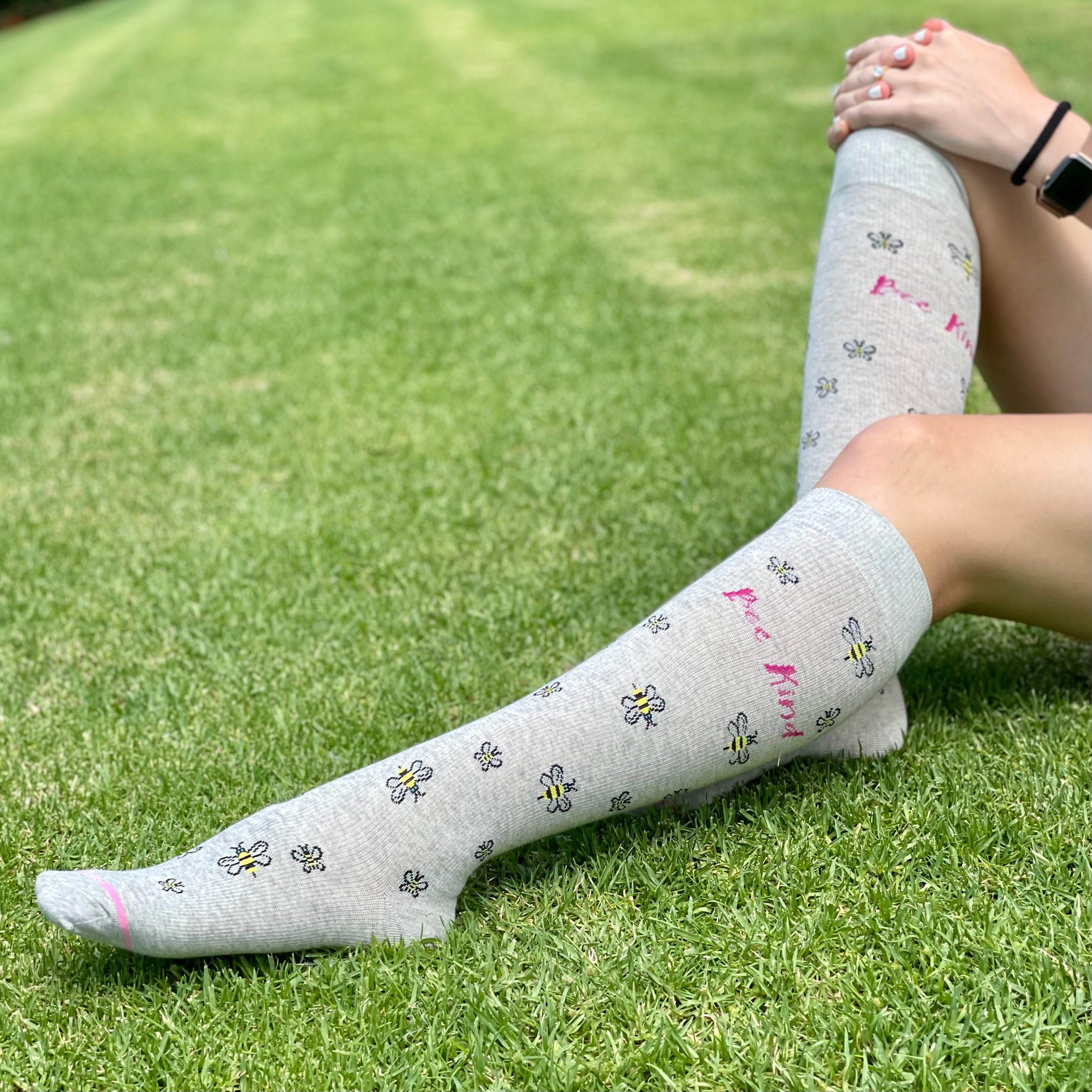
Can Compression Socks Help with Compartment Syndrome?
Compartment syndrome is a condition where pressure builds up within a muscle compartment to a level that restricts blood flow and causes pain. Depending on the cause and how that pressure behaves, it can range from a temporary exercise-induced discomfort that resolves with rest to a sudden medical emergency requiring immediate surgery.
Understanding which form you are dealing with matters before anything else, including whether compression socks have any role to play. Here's the direct answer: compression socks can offer genuine support for chronic exertional compartment syndrome (CECS) in specific, limited ways, but they are not a treatment and must never be used during an acute compartment syndrome episode. Acute compartment syndrome is a medical emergency that requires immediate surgery. No sock, sleeve, or wrap should delay that care.
Understanding the Two Types of Compartment Syndrome
Not all compartment syndrome is the same. The two forms have opposite urgency levels, which is why the role of compression gear differs completely between them.
|
Acute Compartment Syndrome |
Chronic Exertional Compartment Syndrome (CECS) |
|
|
Cause |
Trauma, fracture, crush injury, or post-surgical swelling |
Repetitive high-impact exercise (running, cycling, hiking) |
|
Onset |
Sudden, rapidly worsening |
Predictable, during or shortly after activity |
|
Symptoms |
Severe pain, tightness, numbness, possible loss of sensation |
Tightening, cramping, or aching in the lower leg during exertion; resolves with rest |
|
Urgency |
Life- and limb-threatening emergency |
Chronic, manageable condition |
|
Treatment |
Emergency fasciotomy (surgery) |
Activity modification, physical therapy, possible surgery in severe cases |
|
Compression socks |
Absolutely contraindicated |
May provide limited supportive benefit |
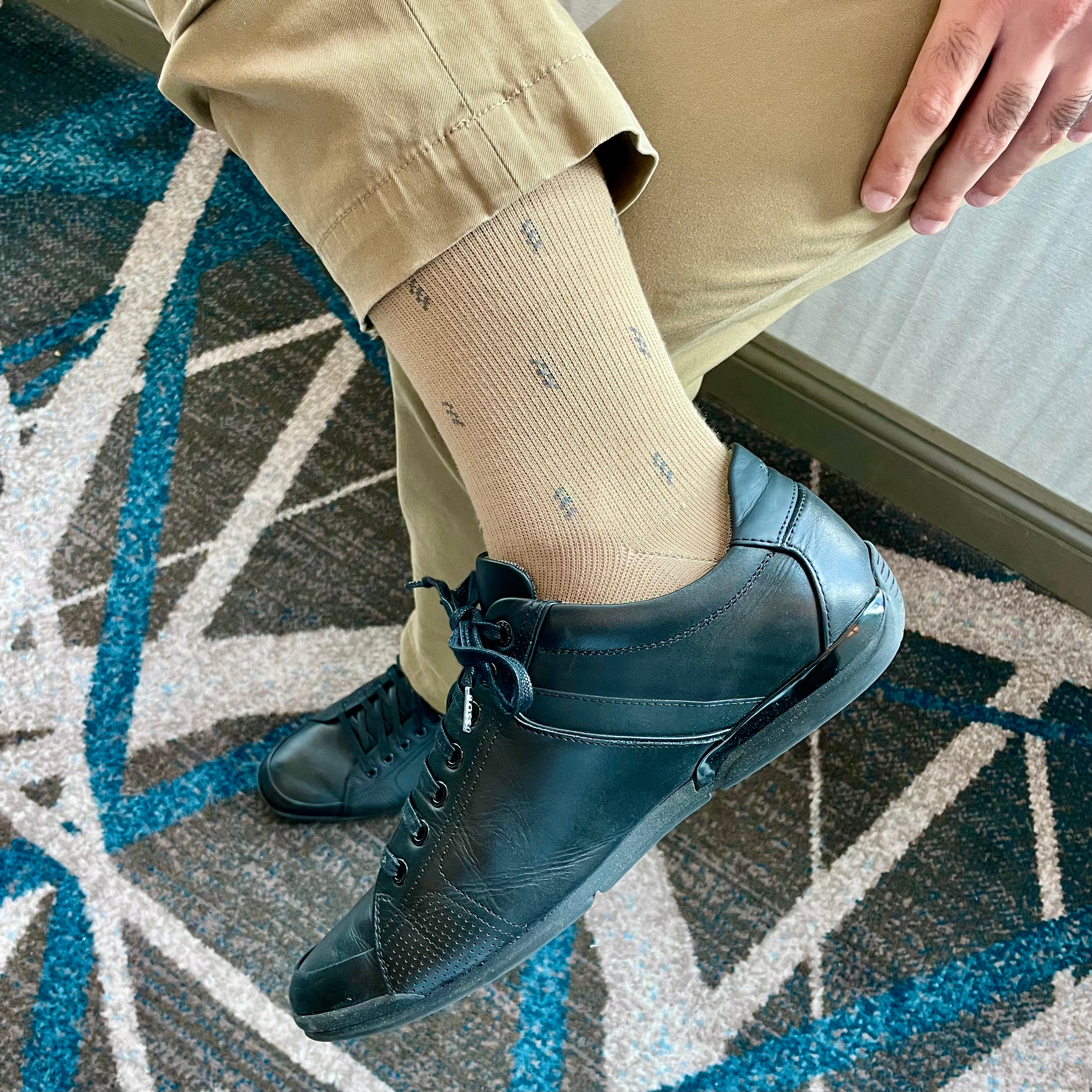

Where Compression Socks May Fit and Where They Don't
Here is a practical look at where compartment syndrome compression socks make sense and where they don't.
|
Compression Socks May Support |
Compression Socks Should Not Be Used For |
|
Long training sessions |
Treating acute compartment syndrome |
|
General leg fatigue |
Relieving dangerous compartment pressure |
|
Mild post-exercise swelling |
Delaying emergency medical care |
|
Recovery after activity |
Replacing medical evaluation |
What Does the Research Say About Compression Socks and CECS?
The research on whether compression socks work for compartment syndrome points to modest but real benefits, specifically for the chronic exertional form. Here is what the evidence currently suggests:
-
Improved venous return: Graduated compression supports blood flow back toward the heart, which can reduce the pooling and pressure that builds in leg compartments after intense activity.
-
Reduced post-exercise swelling: Studies on compression garments in athletic populations consistently show a reduction in delayed-onset muscle swelling, which is relevant to CECS management between training sessions.
-
Faster perceived recovery: Athletes wearing compression socks during and after high-impact activity often report less tightness and soreness in the recovery window, even if the underlying compartment pressure during exercise is not significantly changed.
-
No impact on intercompartmental pressure during activity: This is the critical caveat. Research does not support the idea that wearing compression socks reduces pressure inside the muscle compartment while you are actively exercising. CECS is defined by pressure spikes during exertion, and compression socks do not address that mechanism directly.
-
Calf sleeves vs full socks: Some athletes find calf sleeves more comfortable than knee-high socks for high-intensity training because they allow more freedom at the foot. Both formats offer similar compression benefits to the lower leg.
The bottom line: compression socks for exertional compartment syndrome are a supportive tool, not a corrective one.

Training Smarter with Chronic Exertional Compartment Syndrome
Athletes who stay active with this condition take a whole-approach to their training, not just their gear. Here are strategies that make a real difference:
-
Work with a sports medicine professional to get accurate intercompartmental pressure testing before assuming a CECS diagnosis. Symptoms overlap with stress fractures, nerve entrapment, and peripheral artery disease.
-
Modify training load progressively. Rapid mileage increases are a primary trigger for CECS flares. Follow the 10% weekly mileage rule and build in de-load weeks.
-
Focus on running gait. A higher cadence and shorter stride length reduce impact forces on the lower leg, which many runners with CECS find significantly reduces symptom frequency.
-
Incorporate low-impact cross-training. Swimming, cycling on a stationary bike, and rowing keep cardiovascular fitness high while lowering the repetitive loading on the affected compartments.
-
Stretch and foam-roll consistently. While stretching does not change compartment pressure, maintaining tissue mobility and reducing muscle tightness supports overall lower leg health.
-
Wear your compression socks during the recovery window, not as a substitute for addressing the root cause.
Choosing Compression Socks for Running, Hiking, and High-Impact Activities
If you are managing CECS or simply dealing with leg fatigue from high-output training, the right pair of compression socks makes a real difference in daily comfort. Here is what to look for:
-
Graduated compression in the 15-20 mmHg range is the sweet spot for active use. It is firm enough to support circulation and reduce swelling without adding unwanted pressure to already-sensitive tissue.
-
Knee-high length covers the full lower leg and calf, which is where CECS most commonly presents. This gives you the broadest coverage during and after training.
-
Moisture-wicking fabric is non-negotiable for runners and hikers. Sweat-trapping materials increase blister risk and reduce comfort over long distances.
-
A snug but not constricting fit at the ankle is the sign of proper graduated compression. The pressure should be highest at the ankle and decrease as the sock rises up the calf.
-
Cushioned sole options add comfort during high-impact activities without compromising compression function.
-
Calf sleeve variations are worth considering if you prefer to pair compression with your own performance socks or if full knee-high coverage feels too warm during summer training.

Support Active Legs with Dr. Motion Compression Socks
Whether you are managing CECS under a doctor's guidance or simply putting in hard miles and want your legs to recover well, the right compression sock makes a measurable difference in how you feel between sessions. Our Moderate Compression Collection has features that help the active individual, combining the coverage your lower leg needs with features that hold up to real training demands:
-
Moderate graduated compression (15-20 mmHg) that supports circulation and eases post-exercise swelling without adding unwanted pressure to sensitive tissue
-
Breathable premium cotton blends that keep your legs cool and comfortable through long runs, hikes, and recovery days alike
-
Anti-microbial and anti-odor materials so your socks stay fresh no matter how hard you push
-
Seamless reinforced toe for optimal comfort and durability across high-mileage use
Along with all these features, our compression socks for women and men come in fun designs, because looking good and feeling supported are not a trade-off. Your legs carry you through every run, hike, and hard session. Gift them a pair that will support them through it. Explore our Moderate Compression Collection today and find a pick that keeps you moving!
Disclaimer: This article provides information solely for educational purposes, including but not limited to text, graphics, images, and other materials contained herein. This article is not intended to substitute for professional medical advice, diagnosis, or treatment. Always seek the advice of your physician or another qualified healthcare provider with any questions you may have regarding a medical condition.
Read more
Compression Socks for Heat Edema: Can They Help Reduce Swelling?
Compression socks for heat edema are a simple, wearable solution that more people are turning to, and they work better than you might think.
Read more
Compression Socks for Disney Rash (Golfer's Vasculitis): Can They Help?
Understanding what is behind it and what you can actually do can make the difference between a day you need to push through and one you genuinely enjoy.
Read more