

A pulmonary embolism is not something most people think about until it becomes a concern. If you have been advised to wear compression socks or are at risk of blood clots, you may be wondering whether compression socks for pulmonary embolism actually make a difference. In this guide, you will learn when they are recommended, who can benefit from them, and where their role begins and ends.

Understanding the Link Between DVT and Pulmonary Embolism
Deep vein thrombosis, or DVT, happens when a blood clot forms in a deep vein, usually somewhere in the calf or thigh. These veins carry blood back up toward the heart, so when that flow slows down from sitting too long, recovering from surgery, or simply not moving much, a clot can start to form.
The real problem shows up if a piece of that clot breaks free. It can travel through the bloodstream, pass through the heart, and get lodged in one of the arteries that feed the lungs. That's what doctors call a pulmonary embolism, and it cuts off blood flow to part of the lung tissue. Symptoms tend to hit fast: shortness of breath, chest pain, and a heartbeat that suddenly feels too quick. Because DVT often gives no warning at all before that happens, knowing this chain of events matters more than people realize. It's really the whole reason leg circulation gets so much attention in the first place.
Can Compression Socks Prevent a Pulmonary Embolism?
Compression socks apply gentle, graduated pressure along the lower leg. That pressure helps push blood back upward instead of letting it pool in the veins, which is exactly the kind of stagnation that leads to clots. Worn consistently, especially during long stretches where circulation naturally slows, they can meaningfully cut the odds of DVT developing in the first place. A few ways they help along the way:
-
They support venous return, moving blood back toward the heart instead of letting it sit in the calf.
-
They cut down on swelling during long periods of sitting or standing.
-
They support circulation for people with a history of varicose veins or poor venous health.
One thing worth being clear about: compression socks can lower the risk of DVT, but they don't prevent or treat a pulmonary embolism once it's already happened. That's a medical emergency, and it needs prompt attention from a healthcare provider.
Why Are Compression Socks Recommended After A Pulmonary Embolism?
Doctors sometimes suggest compression socks as part of a recovery plan after a DVT or PE diagnosis, but always as one piece of a larger treatment plan, never as the entire plan itself. A few situations where they tend to come up:
-
To support circulation after prolonged bed rest or hospitalization following a clot diagnosis.
-
To ease residual leg swelling where the original DVT occurred.
-
To complement anticoagulant therapy prescribed by a physician, never as a replacement for it.
-
Only when specifically advised by a doctor, since compression can be contraindicated in some conditions.
Who May Benefit from Compression Socks?
Apart from individuals with a personal or family history of DVT, who may want to explore compression socks for DVT as a daily precaution, a wide range of daily situations can call for extra circulation support:
-
Frequent flyers and long-distance travelers sitting still for hours at a time.
-
Office workers or anyone with a desk job involving long stretches of sitting.
-
Retail employees, healthcare workers, and teachers who stand for most of the day.
-
People recovering from surgery, particularly procedures involving the legs or hips.
-
Pregnant women managing swelling and circulation changes.

Choosing Compression Socks: What to Look For
Not all compression socks are built the same, and choosing correctly makes a real difference in comfort and effectiveness. Keep these factors in mind.
-
Compression level: Mild compression, in the 8-15 mmHg range, works well for everyday support. Higher levels are reserved for medical needs under a doctor's guidance.
-
Graduated compression: Look for socks that apply the most pressure at the ankle and ease up toward the calf, mimicking the body's natural blood flow.
-
Proper fit: A sock that is too tight can restrict circulation, while one that is too loose will not help much at all.
-
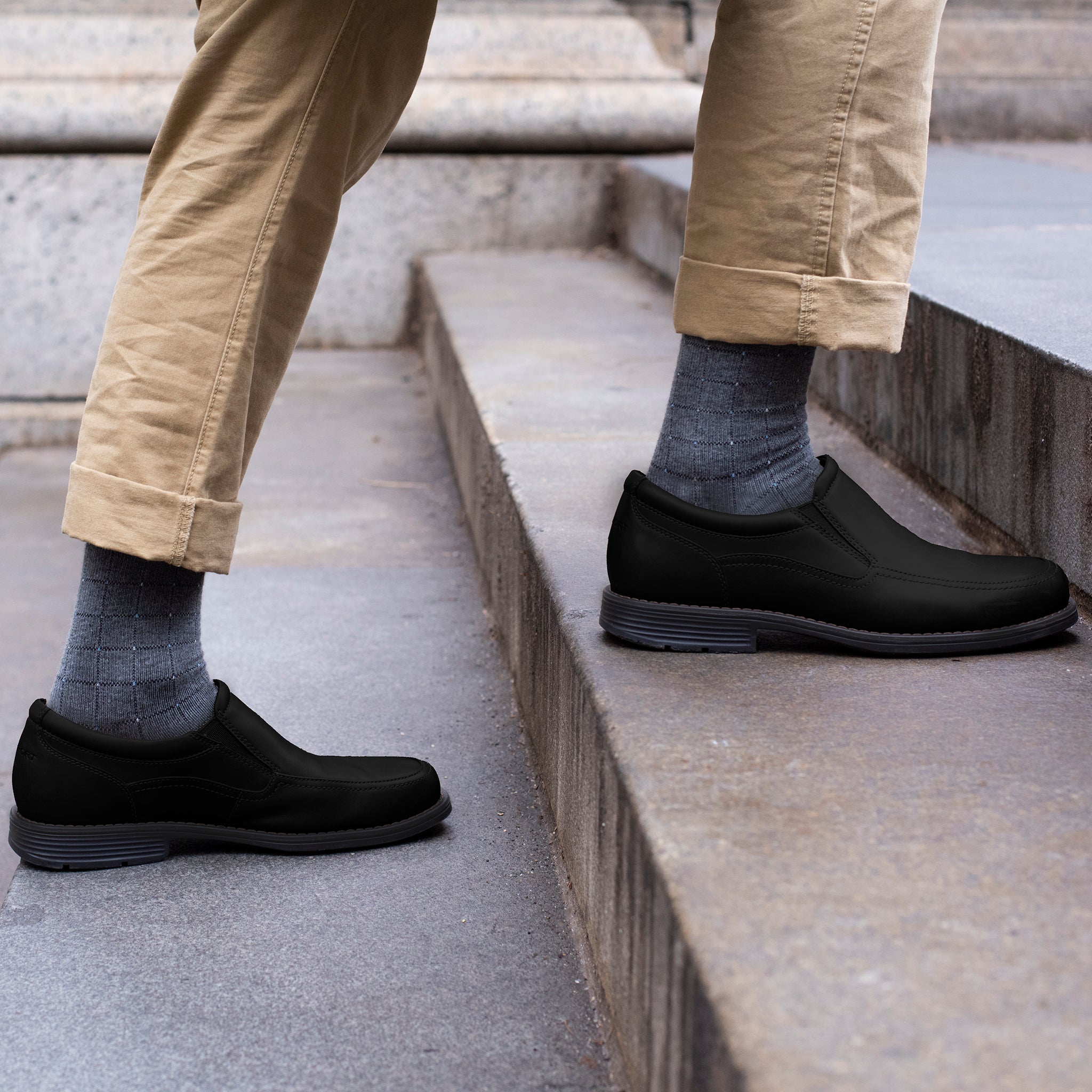
Length: Knee-high compression socks are a popular everyday choice for continuous support from the ankle to the calf.
-
Material: Breathable, moisture-wicking fabric blends keep socks comfortable for all-day wear, especially while traveling.
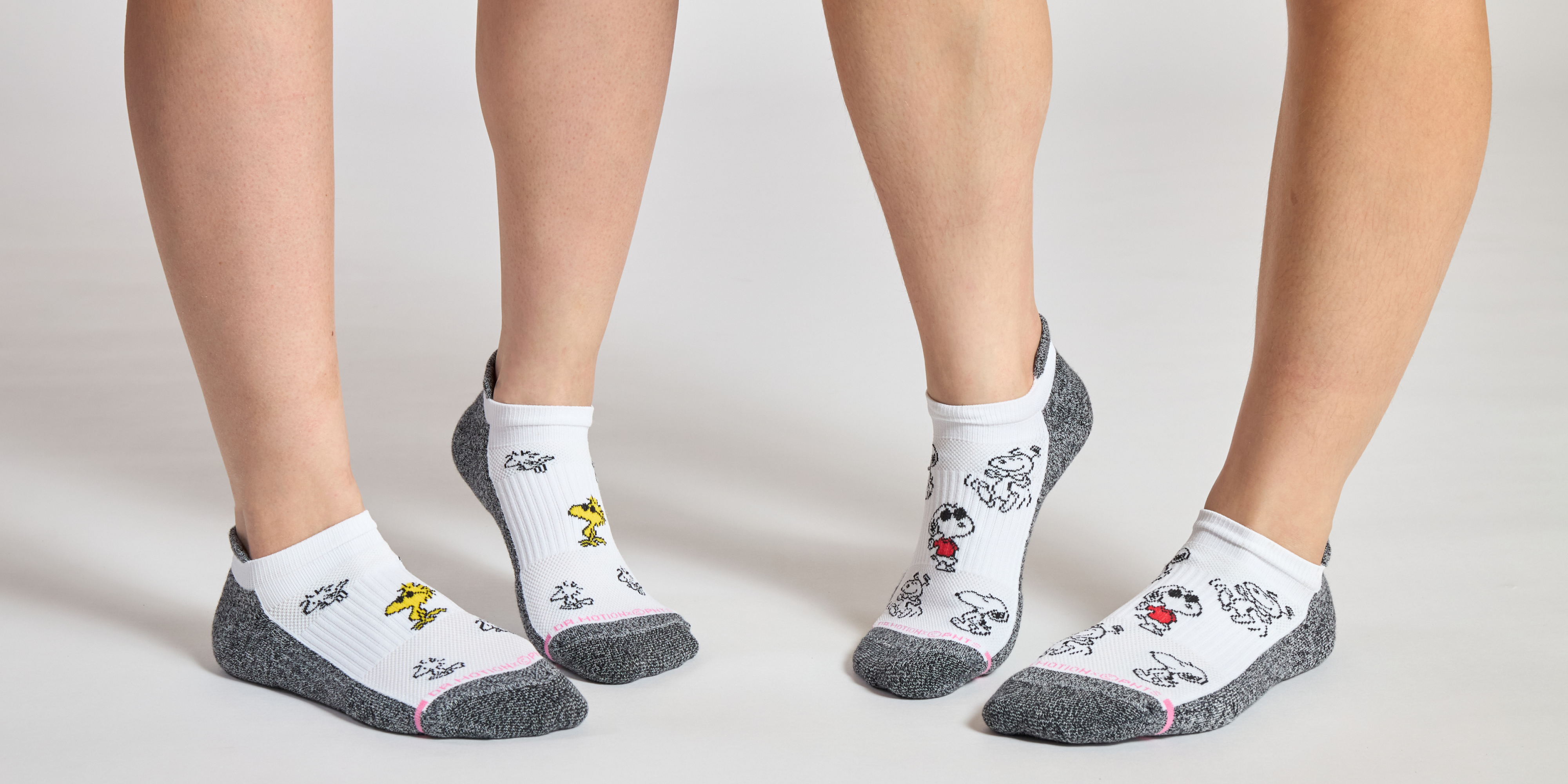
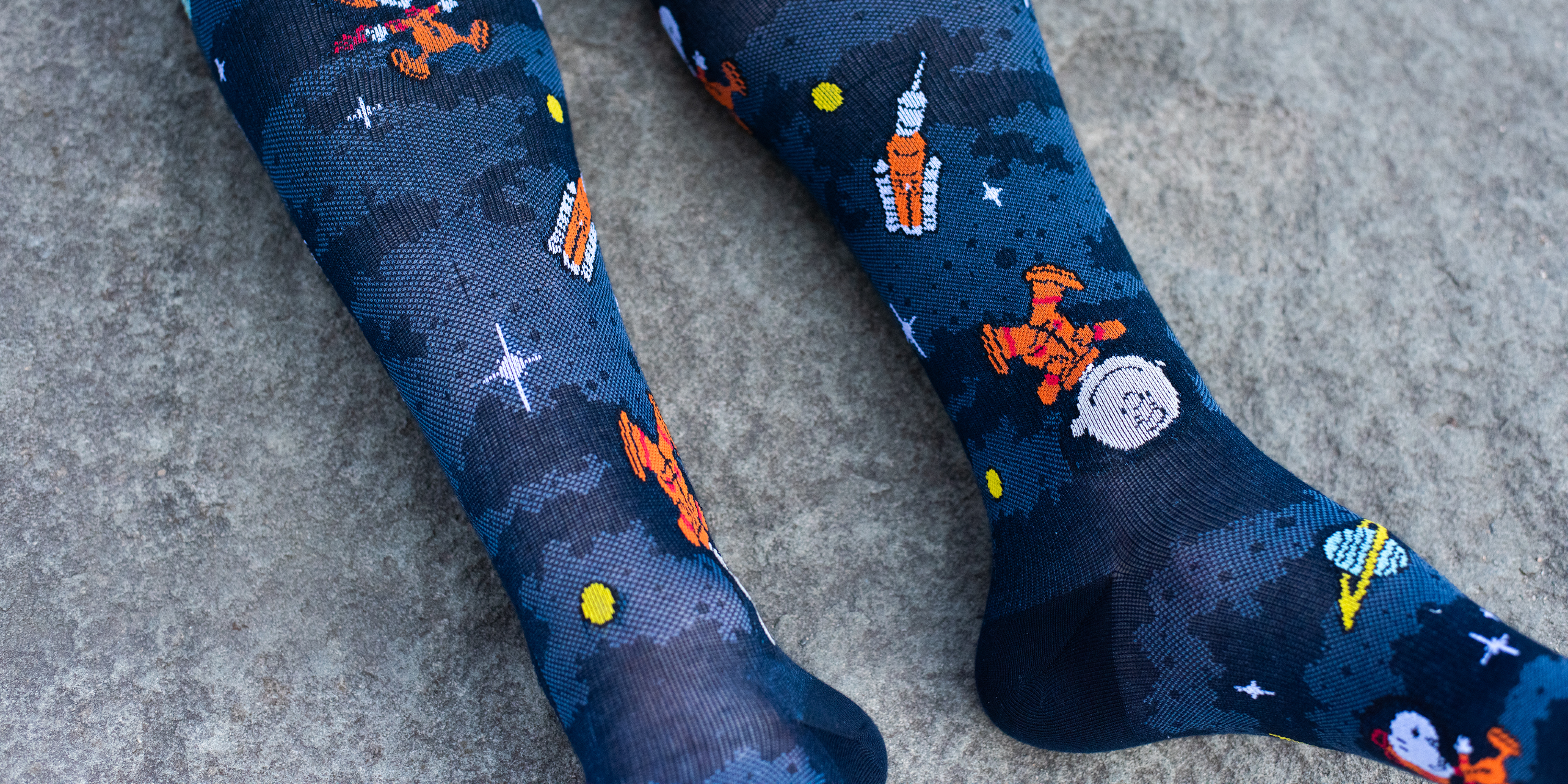
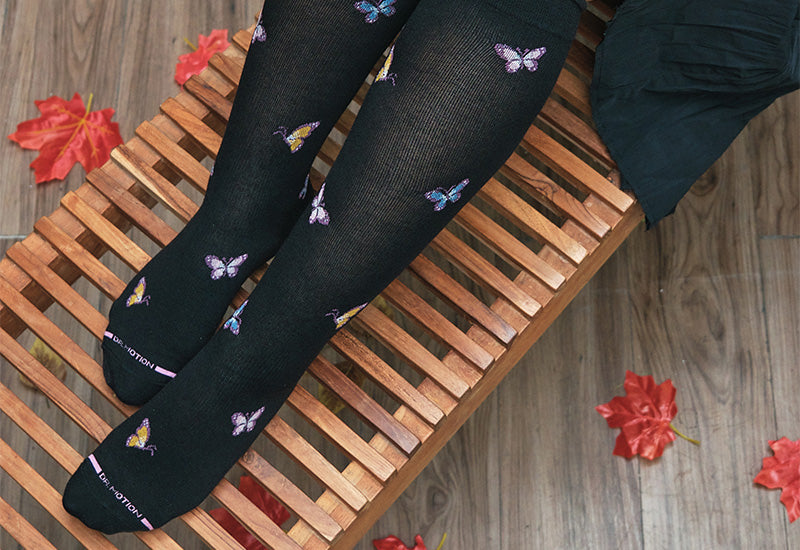
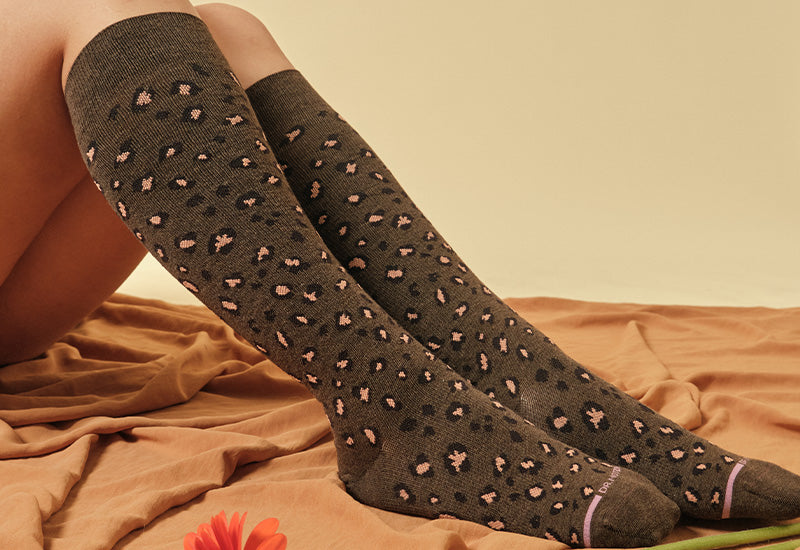
Our range of compression socks for women and men combines graduated compression, breathable fabrics, and a comfortable knee-high fit to support everyday wear. Available in a variety of colors and patterns, these styles make it easier to prioritize leg health without compromising on personal style.
When Compression Socks Aren't Enough
Compression socks are a helpful tool for everyday circulation, but they are not designed to manage a medical emergency. If you notice sudden shortness of breath, sharp chest pain that gets worse when you breathe, a racing heartbeat, coughing up blood, or sudden swelling and pain in one leg, get emergency care right away. These symptoms can point to a pulmonary embolism or a DVT that needs immediate treatment, and no amount of compression wear is a substitute for that.

Why Choose Dr. Motion Compression Socks for Everyday Circulation Support
Optimal circulation support starts with socks you'll actually want to wear every day. Our Knee-High Collection delivers that balance between compression, comfort, and style, whether you're on your feet for hours, traveling, or just want everyday leg support built in. Here's what's included:
-
Two compression options: Choose mild graduated compression (8-15 mmHg) for everyday support, or step up to moderate (15-20 mmHg) when you need more.
-
Built for all-day comfort: A blend of cotton, Wickwell polyester, nylon, and spandex keeps things breathable, soft, and stretchy where it counts.
-
Freshness that lasts: An anti-microbial, anti-odor finish keeps socks feeling fresh even through long wear.
-
A cuff that stays put: A non-binding comfort band holds its place without digging into your skin.
-
Built to last: A smooth, reinforced toe cuts down on friction and adds durability.
It's everyday comfort paired with the kind of functional support your legs actually need. So, why wait? Take a look at the full collection and give your legs an easier day.
Disclaimer: This article provides information solely for educational purposes, including but not limited to text, graphics, images, and other materials contained herein. This article is not intended to substitute for professional medical advice, diagnosis, or treatment. Always seek the advice of your physician or another qualified healthcare provider with any questions you may have regarding a medical condition.


Leave a comment
This site is protected by hCaptcha and the hCaptcha Privacy Policy and Terms of Service apply.