

Yes, compression socks can help manage lipedema-related discomfort and swelling as part of an individualized care plan, but they do not remove lipedema fat or cure the condition. The right garment depends on where you need support, how sensitive your legs feel, and your healthcare provider’s recommendations.
If your legs feel heavy or tender, you deserve support that feels manageable—not a tighter-is-better approach. This guide explains what compression can do, why ordinary knee-high socks are not always enough, and what to ask before choosing a pair.
- Can compression socks help with lipedema? Yes, for symptom management—not fat removal or a cure.
- Choose compression coverage and fit with a healthcare provider familiar with lipedema.
- Stronger compression is not automatically better, especially when your legs are tender.
- Dr. Motion compression socks offer everyday support; they are not a substitute for prescribed lipedema garments.
- New, painful, or one-sided swelling needs medical assessment rather than a tighter sock.
Can compression socks help with lipedema?
Compression is one part of conservative lipedema care. It can support affected tissues and help manage symptoms such as discomfort and associated swelling, but the response differs from person to person. The goal is a more comfortable day, not a change in the amount of lipedema fat.
That distinction matters when you shop. A sock described as supportive is not automatically suitable for managing a diagnosed condition, and a garment that fits someone else comfortably might not fit your needs.
Swelling also deserves its own assessment. Lipedema and lymphedema are different conditions, although they can occur together; not every swollen leg has the same cause. For more general context, read the guide to compression socks for swollen ankles, then discuss your own symptoms with your provider.
What can compression do—and what can’t it do?
Think of compression as support within a larger care plan. Your provider might include it alongside movement, skin care, and other approaches chosen for your symptoms. It does not replace assessment or treatment of another condition affecting your legs.
| Question | What compression can offer | Important limit |
|---|---|---|
| Can it help legs feel more supported? | A supportive garment can help manage discomfort. | Tender legs still need a tolerable fit. |
| Can it help with swelling? | Compression can help manage associated fluid-related swelling. | New swelling needs an explanation, not just a sock. |
| Does it remove lipedema fat? | Compression supports symptom management. | It does not remove lipedema fat. |
| Does it replace other care? | It can be part of an individualized plan. | It is not a cure or a substitute for prescribed treatment. |
A useful way to judge a garment is whether it helps you move through ordinary activities more comfortably without creating new symptoms. Looking smaller is not the only—or the best—measure of whether your support plan is working.
Myth buster: A tighter sock is not automatically a better sock for lipedema. Useful support must match your needs and remain tolerable to wear.
Are knee-high socks enough for lipedema?
Knee-high socks cover the foot and lower leg. They do not provide compression to the thighs or hips, so their coverage has clear limits when symptoms extend higher up.
That does not make knee-highs wrong for everyone. It means garment length should follow your symptoms and care plan rather than whichever style is easiest to find. Ask your provider which areas need support before choosing between the options below.
| Garment option | Best for | Main limitation |
|---|---|---|
| Knee-high socks | Provider-approved support focused on the lower leg | No thigh or hip coverage |
| Thigh-high garments | A care plan requiring support above the knee | Upper-edge fit needs attention |
| Waist-high garments | A care plan requiring broader leg coverage | More fabric to put on and manage |
| Individually fitted garments | Leg shapes or symptoms needing a tailored approach | Requires assessment and fitting support |
These are coverage choices, not a ranking. A longer garment is not automatically better, and an everyday sock should not stand in for a different garment your clinician has recommended.
Why does the right compression choice vary?
The best starting point is a conversation about your legs, not a compression number selected from a shopping page. Explain where you feel discomfort and what makes a garment difficult to wear.
Your provider or garment fitter can consider:
- Symptom location: Lower-leg support does not cover discomfort in the thighs or hips.
- Tenderness: Pressure that feels comfortable to one person can feel unpleasant to another.
- Leg shape: The ankle, calf, and upper edge all affect how a garment sits.
- Associated swelling: Additional fluid-related swelling can change the support you need.
- Other health conditions: Circulation problems, reduced sensation, and skin concerns can affect suitability.
- Daily practicality: Hand strength, mobility, footwear, and your routine influence whether a garment is manageable.
Bring up previous problems, too. A cuff that rolls, fabric that gathers, or a sock that is difficult to remove gives your provider useful information. You do not need to push through discomfort to prove that you are giving compression a fair chance.
Where do everyday support socks fit?
Dr. Motion compression socks are for shoppers seeking everyday comfort and style, not a replacement for individually prescribed lipedema garments. If your provider says an everyday knee-high is appropriate, you can then consider fabric, calf room, and the clothes or shoes you wear most often.
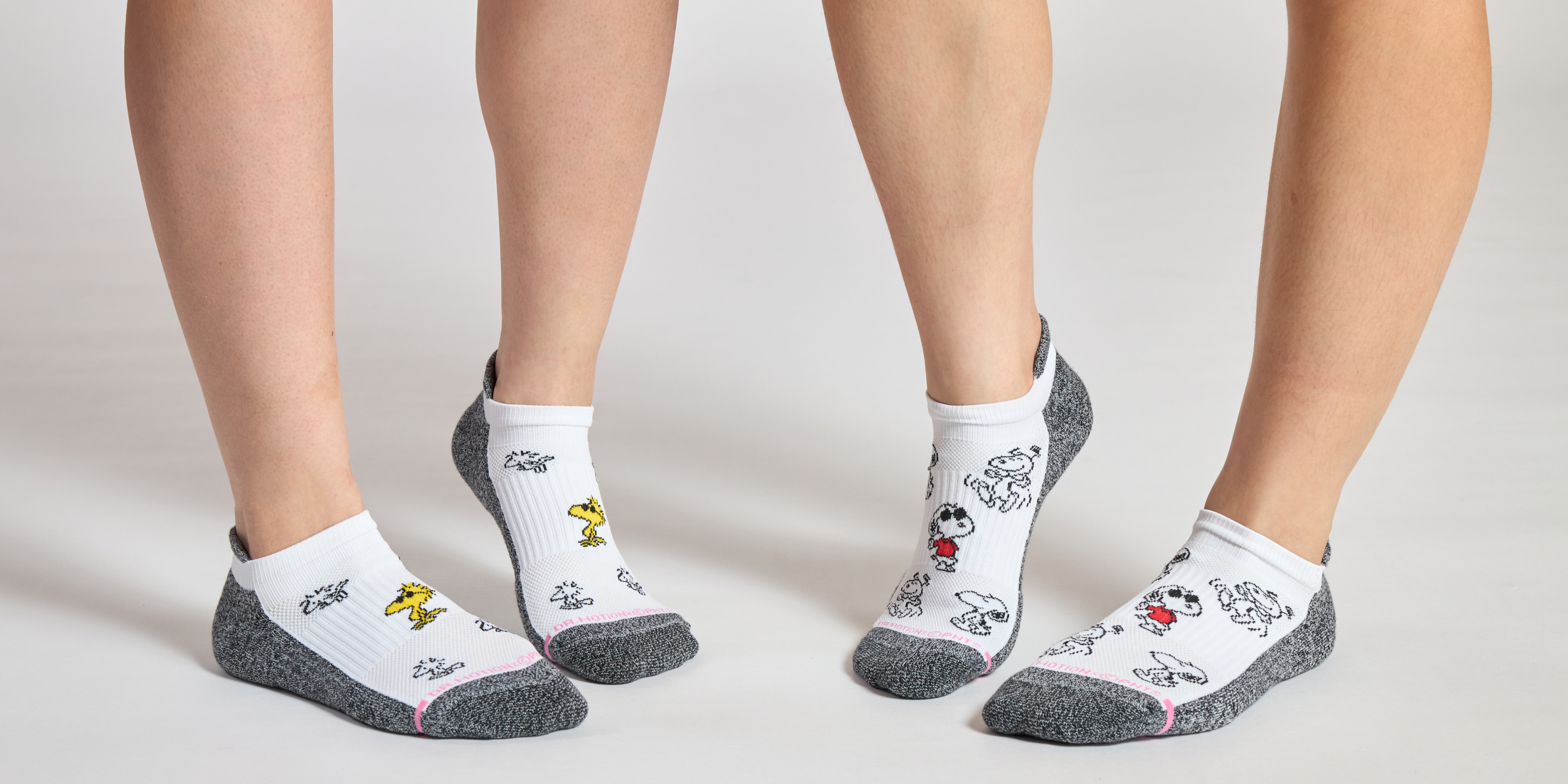
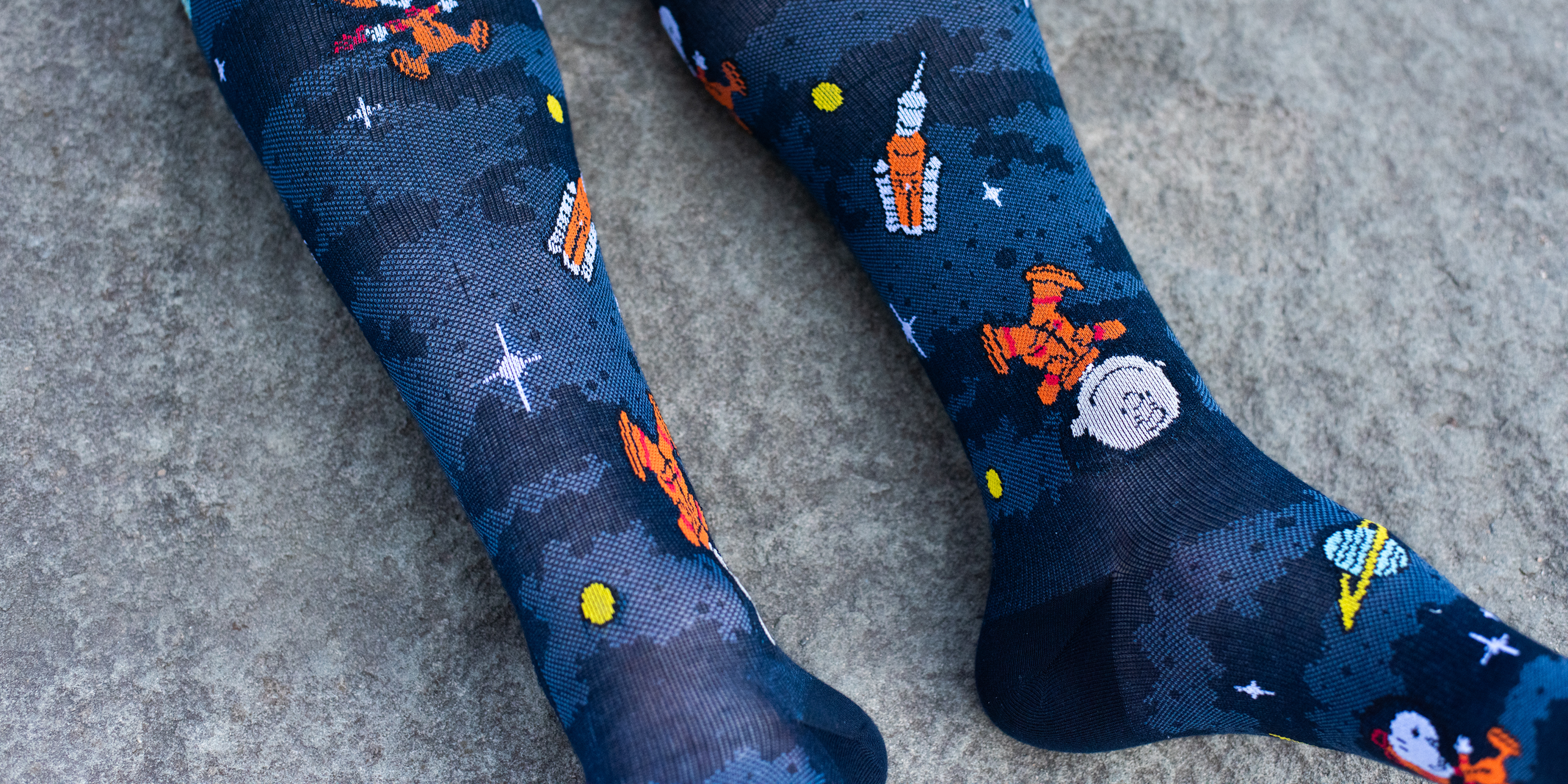
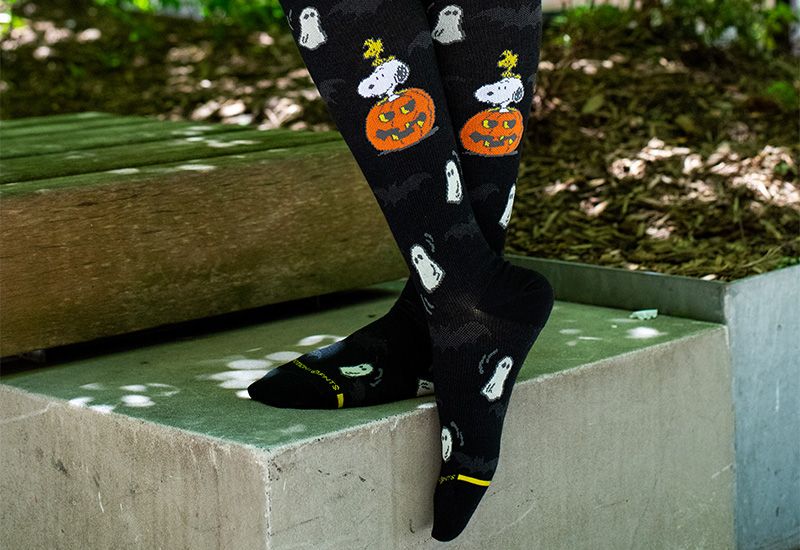
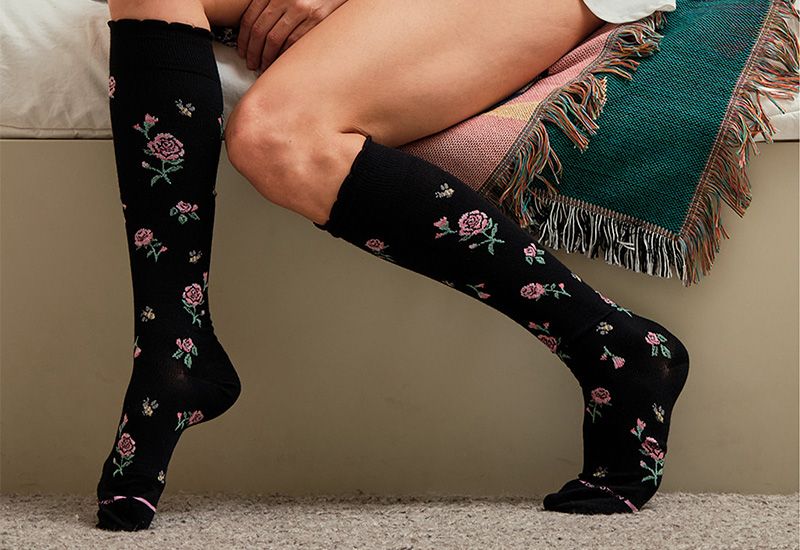
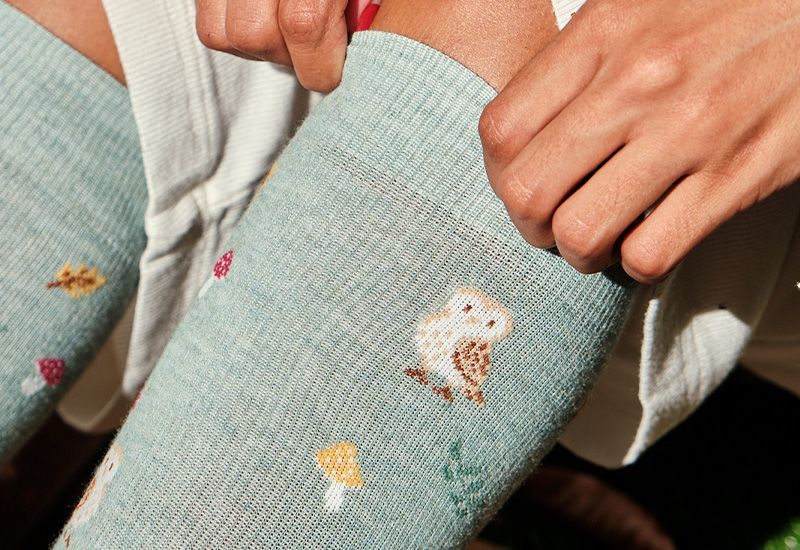
The Dr. Motion styles below pair everyday support with wardrobe variety, from Alpine Garden florals to playful Bows & Dots and colorful Butterflies. A solid cotton-blend wide-calf option provides added calf room for those who prefer a classic look. None should be treated as a lipedema-specific treatment recommendation.


The advantage of an everyday style is having support that fits into your wardrobe. The limitation is equally important: a product’s appearance, fabric, or wide-calf label does not establish that it meets your clinical needs. Check the specific listing and your provider’s guidance rather than assuming all compression socks work alike.
What should a comfortable fit feel like?
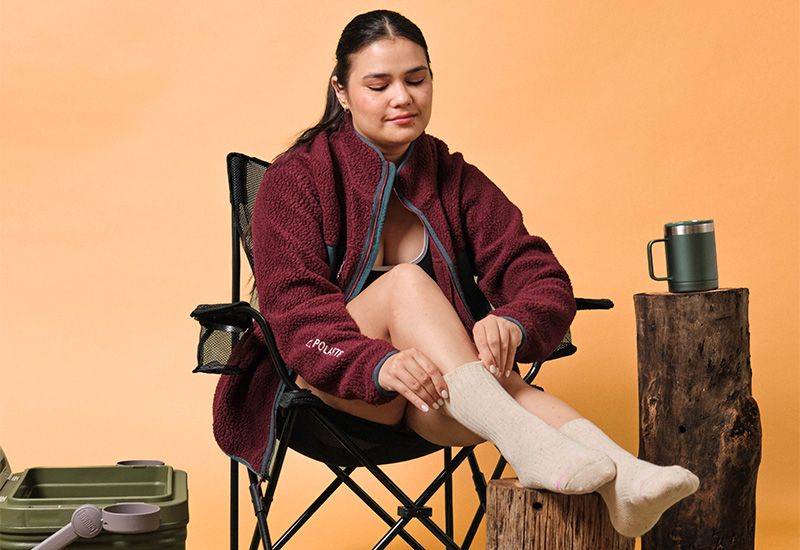
A supportive hug is a useful everyday description; painful squeezing is not. For a provider-approved knee-high, the heel should sit in place, the fabric should lie flat, and the cuff should finish just below the knee—not over it.
Watch for these fit concerns:
- Rolling cuff: Do not leave the upper edge folded into a tight band.
- Bunched fabric: Extra material at the ankle needs smoothing, not ignoring.
- Twisting: The sock should sit evenly rather than pulling around the leg.
- New symptoms: Pain, numbness, coldness, or a color change calls for removing the garment and seeking advice.
Do not roll down a knee-high to make it shorter or add another pair to increase pressure. If the garment does not sit comfortably, ask about a different fit rather than trying to make the wrong one work.
How long should you wear compression for lipedema?
There is no single wear schedule that fits everyone with lipedema. Follow the plan your provider gives you, including when to put garments on, when to remove them, and whether to build up wearing time gradually.
Ask specifically about sleep rather than assuming daytime socks belong in bed. Tell your provider if discomfort starts during wear, if taking the garment off is difficult, or if you stop wearing it because the routine feels unmanageable. A useful plan needs to fit your real day.
When should you check with a doctor?
Arrange an assessment if you suspect lipedema or have persistent leg tenderness, heaviness, swelling, or unexplained bruising. Those symptoms need context; an online description cannot confirm their cause.
Seek prompt medical assessment for sudden swelling, especially in one leg, or swelling with warmth, redness, or pain. If leg symptoms occur with chest pain or difficulty breathing, seek emergency care.
Before trying compression, ask for guidance if you have known circulation problems, reduced feeling in your feet, open skin, or a condition that affects safe garment use. Support should make your routine more comfortable—not create a new problem to manage.
FAQ
Can compression socks help with lipedema pain?
Compression can help manage lipedema-related discomfort as part of an individualized care plan. Tender legs need a tolerable garment, so ask your provider about fit and coverage rather than choosing the tightest option.
Do compression socks get rid of lipedema fat?
No, compression socks do not remove lipedema fat. Their role is symptom support, not fat removal or a cure.
Are knee-high compression socks enough for lipedema?
Knee-high compression socks are not enough when your care plan requires support above the knee. They cover the foot and lower leg, so ask your provider which areas need compression.
What compression level should I use for lipedema?
Your healthcare provider should recommend the compression level for your symptoms, leg shape, and medical history. Stronger compression is not automatically more helpful or comfortable.
Can I sleep in compression socks for lipedema?
Do not assume your daytime compression socks should be worn during sleep. Ask your provider for a wear schedule that specifically addresses nighttime use.
Can Dr. Motion socks replace prescribed lipedema garments?
Dr. Motion compression socks should not replace prescribed lipedema garments. Ask your provider whether an everyday style fits your support plan.
Start with comfort, not maximum pressure
Before your next appointment, note where your legs feel uncomfortable and what you want support to help you do. That small detail gives the conversation a practical starting point. The next step into wellness is finding a manageable plan—not buying the strongest sock on the shelf.

Leave a comment
This site is protected by hCaptcha and the hCaptcha Privacy Policy and Terms of Service apply.