

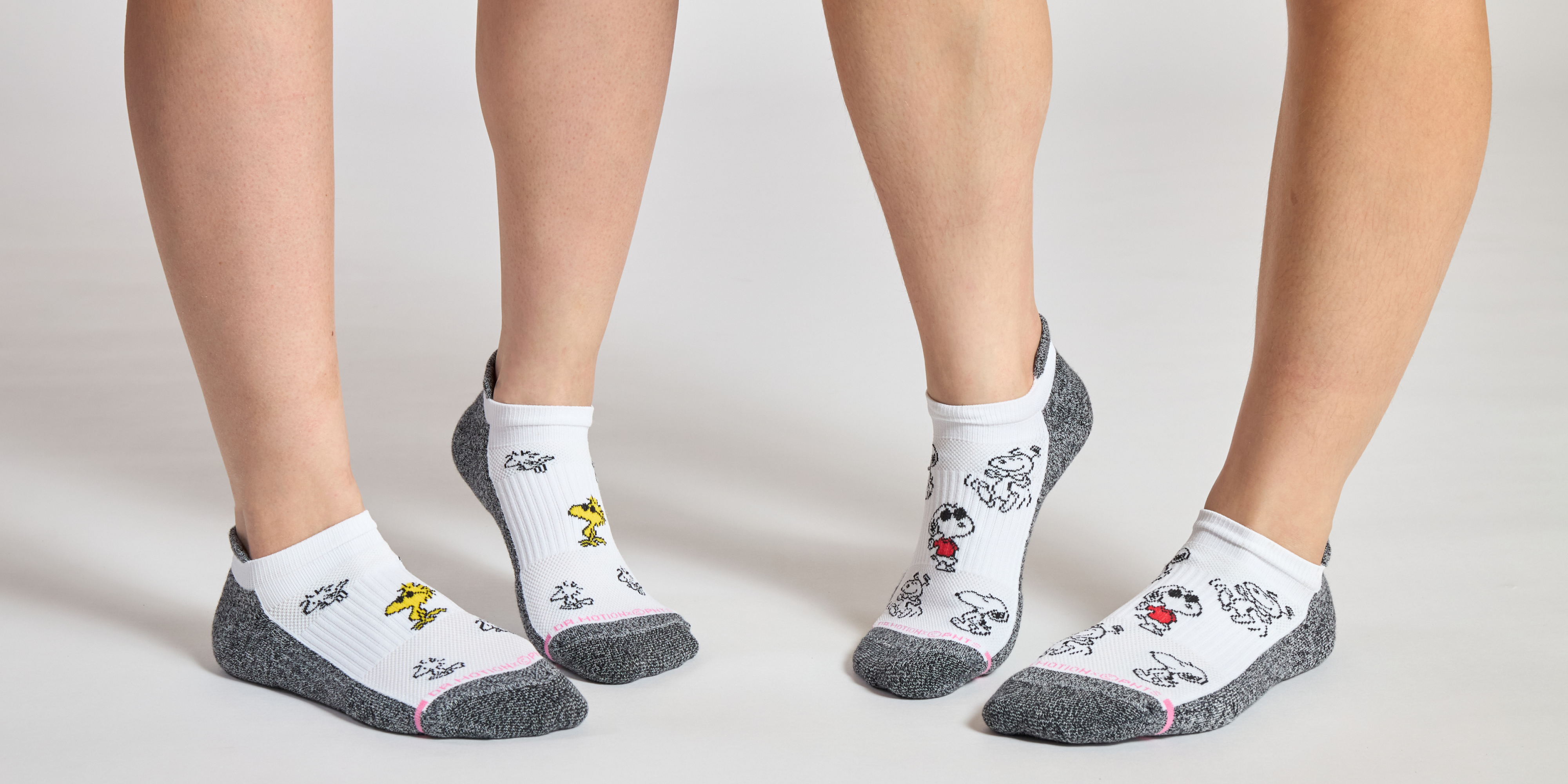
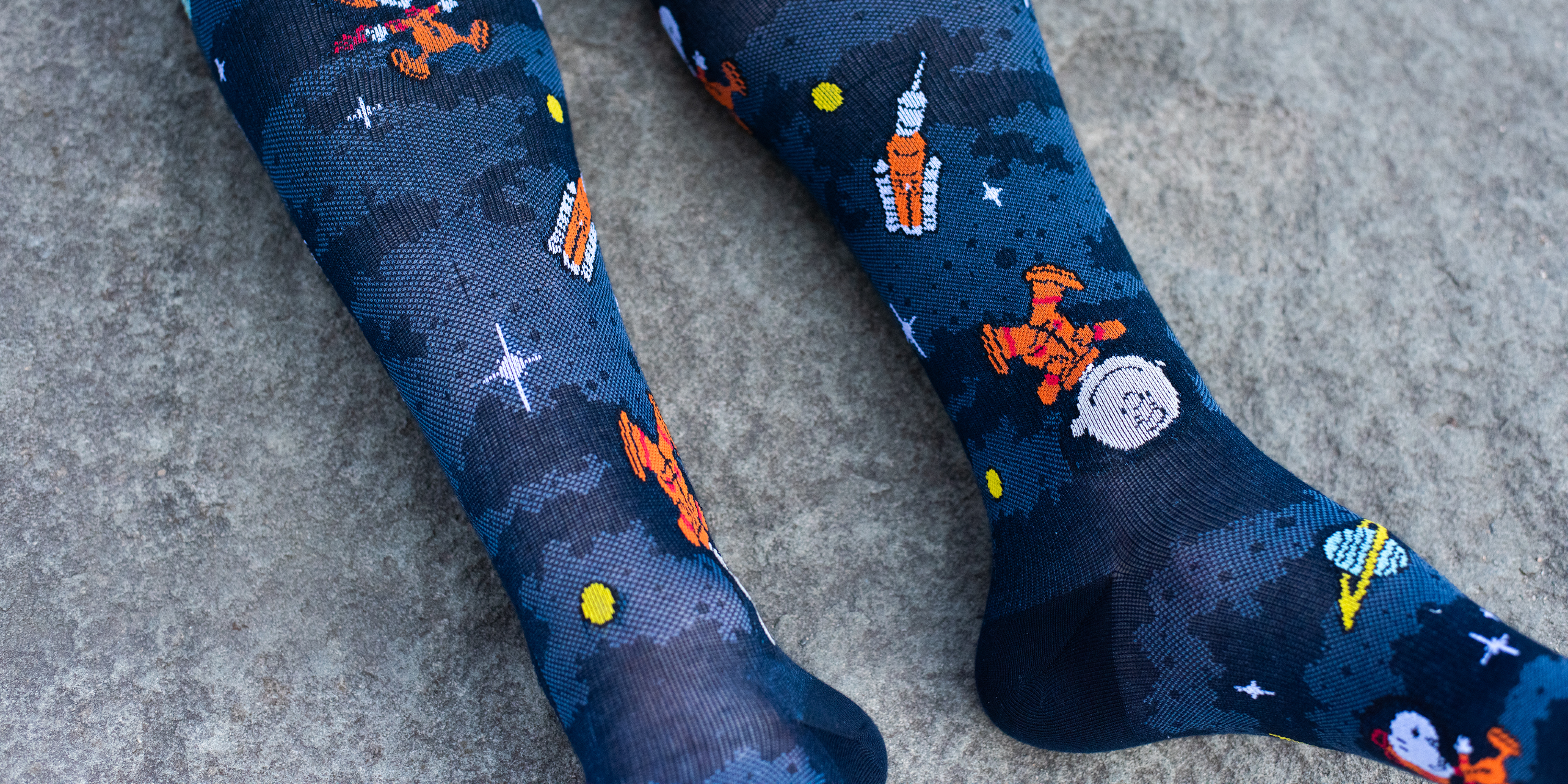
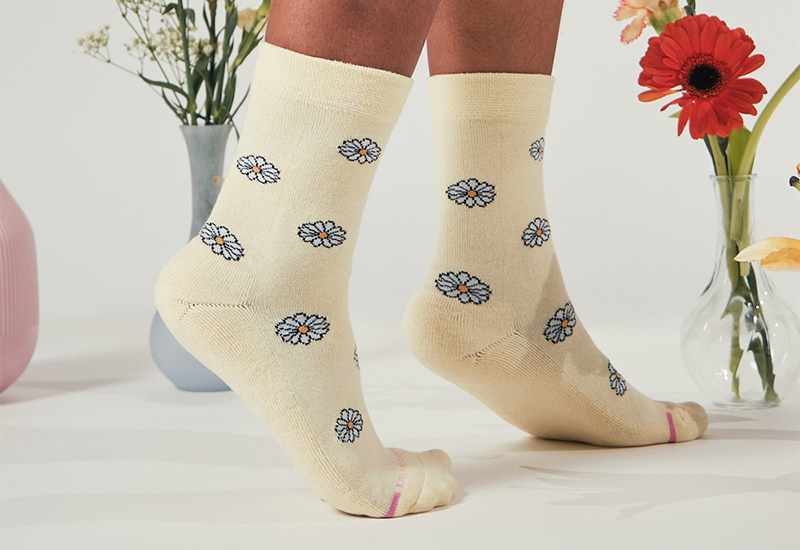
Living with diabetes often means paying closer attention to foot health. Over time, diabetes can affect nerve function and circulation, increasing the risk of cuts, blisters, and other foot problems that may not be noticed right away. Because even minor irritation can become a concern, many people look for ways to better protect their feet during daily activities. This is where diabetic socks come in. If you're wondering what diabetic socks are and what they do, understanding their purpose can help you make more informed choices about foot care. In this guide, we'll explore how they work, their benefits, and who may benefit from wearing them.

What Are Diabetic Socks?
Diabetic socks are specially designed for people living with diabetes. If you're curious about what socks for diabetics are, they are socks designed to support foot health and address some of the challenges associated with diabetes. Diabetes can cause nerve damage (neuropathy) and poor circulation, making it harder to notice cuts, blisters, or other injuries on the feet. To protect feet from such injury, diabetic socks are designed with features such as seamless construction, moisture-wicking fabrics, soft cushioning, and non-binding tops. Together, these features help create a safer, drier, and lower-friction environment for sensitive feet.
How Do Diabetic Socks Work?
Diabetic socks work by protecting the feet from common issues such as rubbing, excess moisture, and pressure from tight-fitting socks. They do this through features like seamless interiors, which help prevent friction against the skin, and moisture-wicking fabrics that help keep feet dry. Many diabetic socks also have non-binding tops that stay in place without leaving deep pressure marks around the ankles. People often ask what diabetic socks are used for. They are used to keep feet dry, reduce the chance of injury, and support overall foot care.

Key Benefits of Diabetic Socks
Each feature in a diabetic sock serves a specific purpose. Here are some of the key benefits of diabetic socks.
-
Reduced Pressure and Improved Comfort
Many diabetic socks have non-binding tops that stay in place without feeling tight around the ankles. This helps prevent pressure marks and creates a more comfortable fit, especially for people who wear socks for long hours.
-
Lower Risk of Skin Irritation and Blisters
Seamless construction helps reduce rubbing inside shoes, particularly around the toes and heels. With fewer friction points, the skin is less likely to develop blisters, irritation, or sore spots from repeated movement.
-
Better Moisture Control
Moisture-wicking fabrics help pull sweat away from the skin instead of trapping it inside shoes. Keeping feet drier throughout the day can improve comfort and help maintain better foot hygiene.
-
Support for Circulation Without Tight Compression
Unlike socks with tight elastic bands, diabetic socks are designed to fit more gently around the lower legs. This allows them to stay secure without creating a restrictive feeling while wearing them.
-
Suitable for All-Day Wear
The combination of breathable materials, soft cushioning, and a non-restrictive fit makes diabetic socks practical for extended use.

Are Diabetic Socks the Same as Compression Socks?
No, diabetic and compression socks are not the same. Although both are often associated with foot and leg health, they serve different purposes. Diabetic socks are designed to help reduce friction, manage moisture, and avoid pressure from tight elastic bands, making them suitable for people who need extra attention to foot care. Compression socks, on the other hand, are designed to apply graduated pressure to the legs to support blood flow. When comparing compression socks vs diabetic socks, the most important difference is that diabetic socks do not provide compression, while compression socks are specifically designed to do so.
Common Misconceptions About Diabetic Socks
There are still quite a few misunderstandings around diabetic socks, especially around who wears them and how they are meant to fit.
-
“They’re only for older adults.”
Diabetic socks are not designed for a specific age group. Anyone with diabetes may choose to wear them, regardless of age. Their purpose is to support foot care and address concerns associated with diabetes, not age.
-
“They’re only meant for severe diabetes.”
Diabetic socks are not limited to people with severe diabetes. Anyone living with Type 1 or Type 2 diabetes may choose to wear them as part of a proactive foot-care routine.
-
“They should fit loosely.”
Diabetic socks should fit properly without feeling tight. Socks that are too loose can bunch up inside shoes and increase friction against the skin.

Who Should Consider Wearing Diabetic Socks?
People who may consider wearing diabetic socks include:
-
People managing Type 1 or Type 2 diabetes
-
People who experience numbness or reduced feeling in their feet
-
Those dealing with swelling or circulation-related discomfort
-
Anyone prone to blisters, rubbing, pressure spots, or skin sensitivity
-
People whose feet often feel sweaty or damp inside closed shoes
-
Older adults who prefer socks that feel softer around the legs
-
Those who stay on their feet for extended hours during the day
When to Wear Diabetic Socks
You can use diabetic socks anytime you want - at work, while exercising, traveling, or while carrying out your day-to-day activities. They’re often used in a daily foot-care routine, particularly when you’re on your feet for extended periods.
Why Dr. Motion Diabetic Socks Are a Better, Non-Restrictive Choice
The right diabetic sock should support foot care without feeling restrictive. Our collection includes features designed to address common concerns such as rubbing, moisture buildup, and pressure around the feet.
Seamless construction helps reduce friction inside shoes, while moisture-wicking fabrics help keep feet drier throughout the day. Non-binding tops stay in place without digging into the skin, and cushioned areas provide an added layer of protection where feet experience the most contact. Many styles also include antimicrobial properties to help maintain better foot hygiene. Together, these features help support foot health while avoiding unnecessary pressure on the feet and lower legs.

Comfort and Care in Every Step
Choosing the right diabetic socks can make daily wear feel much more comfortable, especially for people paying closer attention to foot sensitivity, circulation, and overall foot care. Small details like fit, fabric, and reduced friction often make a bigger difference than expected over time.
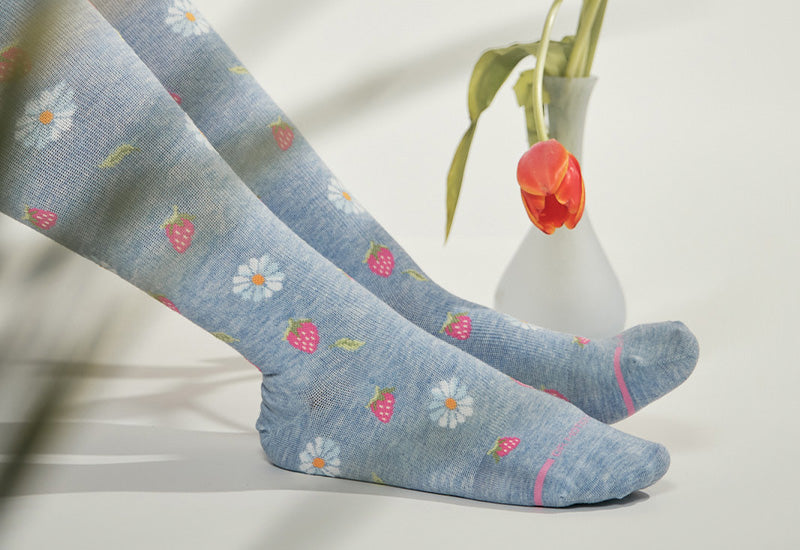
If you are exploring more comfortable everyday options, our diabetic sock collection includes styles designed with a softer, non-restrictive feel that fits naturally into daily routines.
Disclaimer: This article provides information solely for educational purposes, including but not limited to text, graphics, images, and other materials contained herein. This article is not intended to substitute for professional medical advice, diagnosis, or treatment. Always seek the advice of your physician or another qualified healthcare provider with any questions you may have regarding a medical condition.


Leave a comment
This site is protected by hCaptcha and the hCaptcha Privacy Policy and Terms of Service apply.