


Foot discomfort, slow healing, or a constant feeling of heaviness in the legs are often linked to how well blood is flowing through the body. When living with diabetes, this connection becomes even more important, as circulation and diabetes are closely related, especially in the lower legs and feet. Blood flow plays a key role in keeping the skin healthy, supporting movement, and helping the body respond to everyday pressure.
Over time, even small changes in diabetes and blood circulation can affect how the feet feel and function. This is why understanding what influences circulation, along with the steps that can support it, becomes an essential part of daily care. With the right habits and awareness, managing circulation can feel practical rather than overwhelming.

How Diabetes Affects Blood Circulation
Diabetes can affect the body’s blood vessels in several ways, particularly the smaller ones that supply the feet. When blood sugar levels remain high for extended periods, these vessels can become narrower or less flexible. This makes it more difficult for blood to move efficiently, especially to areas that are already farther from the heart, such as the feet.
As circulation slows down, the delivery of oxygen and nutrients to the skin and tissues may also be affected. This can influence how the skin looks and feels, and it may take longer for the body to respond to minor cuts, pressure, or irritation. In addition to this, circulation and nerve function are often linked. Changes in blood flow can contribute to reduced sensation, making it harder to notice small injuries or areas of discomfort.
These effects tend to develop gradually rather than all at once, which is why they are sometimes overlooked in the early stages. Regular attention to how your feet feel, along with consistent care, can help in recognizing these changes before they become more noticeable.
Why Good Circulation Is Important for Diabetic Foot Health
Good circulation supports the overall health and condition of the feet by ensuring that oxygen and essential nutrients reach the skin and underlying tissues. This helps maintain skin strength and allows the feet to handle everyday pressure from walking, standing, or movement.
When blood flow is steady, the body is better equipped to respond to minor concerns such as cuts, dryness, or irritation. This response is an important part of maintaining comfort and preventing small issues from becoming more difficult to manage. On the other hand, reduced circulation can slow down these natural responses, which is why even minor changes may require closer attention.
Circulation also plays a role in how the feet feel during the day. Balanced blood flow can help reduce feelings of heaviness, fatigue, or discomfort, making it easier to stay active and comfortable as part of a daily routine.

Signs and Symptoms of Poor Circulation in Diabetic Feet
Changes in circulation can present themselves in different ways, and the signs may vary from person to person. Some are easy to notice, while others may appear gradually.
Common signs include:
-
Feet that feel colder than usual
-
Changes in skin color, including pale or darker areas
-
Swelling in the feet or around the ankles
-
Cuts or sores that take longer to heal
-
A feeling of heaviness or discomfort while walking
-
Skin that appears dry or slightly thinner than usual
Recognizing these signs early makes it easier to take the right steps and manage foot health more effectively.
Are Diabetic Socks Good for Circulation?
A common question that comes up is: are diabetic socks good for circulation, and can they directly improve blood flow? To answer that, it helps to look at what people with diabetes actually need when it comes to foot care.
With diabetes, the skin on the feet can be more sensitive, and even small issues like friction, tight elastic, or moisture build-up can become uncomfortable if ignored. Because of this, the focus is not just on circulation, but also on keeping the feet protected and free from irritation during daily wear.
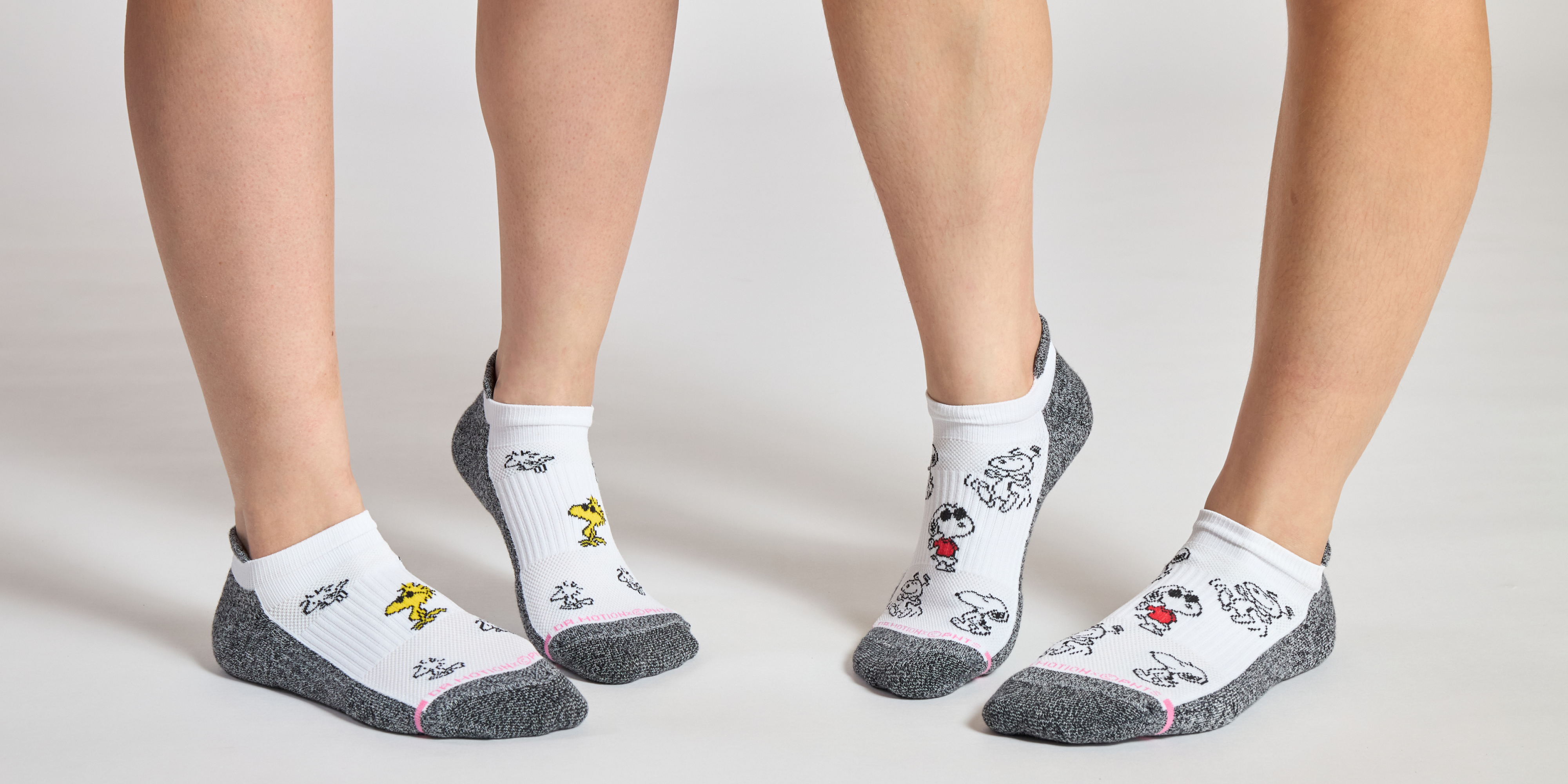
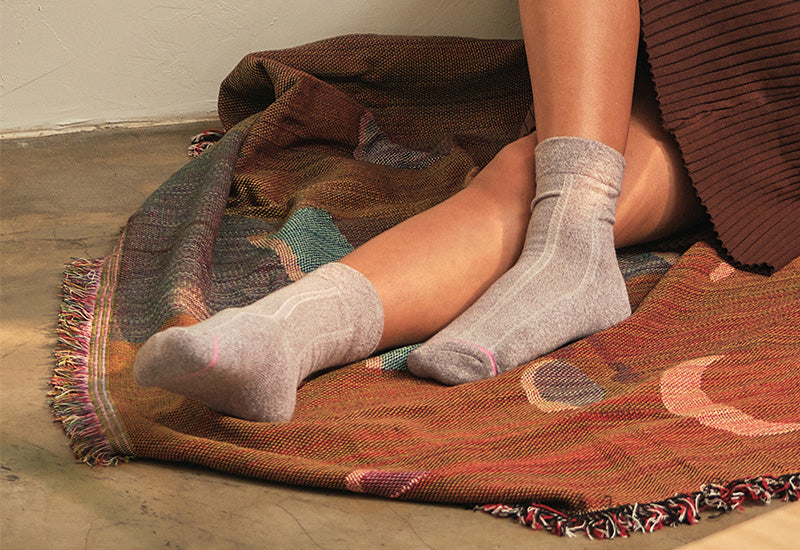
Diabetic socks are designed with this in mind. They are soft, non-binding, and made to reduce rubbing while helping keep the feet dry. Since they don’t feel tight around the legs, they allow blood to move naturally without restriction.
They don’t actively increase circulation, but they support a more comfortable environment for the feet, which is an important part of daily care for people managing diabetes.

How to Improve Blood Circulation in Diabetic Feet
If you’re wondering how diabetics can improve circulation in their feet, it usually comes down to everyday habits, such as:
-
Move Your Body Every Day
Try not to stay still for long stretches. Even a short walk, a few minutes of stretching, or just moving around the house helps keep your blood from feeling “stuck.”
-
Keep Your Blood Sugar Under Control
Your sugar levels affect how your body handles a lot of things, including your feet. When they’re stable, your body is generally in a better place to deal with small cuts or changes.
-
Wiggle and Stretch Your Feet Often
If you sit a lot, your feet don’t get much movement. Just rotating your ankles or stretching your toes now and then is enough to get things going again.
-
Elevate Your Feet When Sitting
Putting your feet up for a bit can feel relieving, especially after a long day. It also helps ease that heavy or tired feeling.
-
Wear Comfortable, Well-Fitting Shoes & Socks
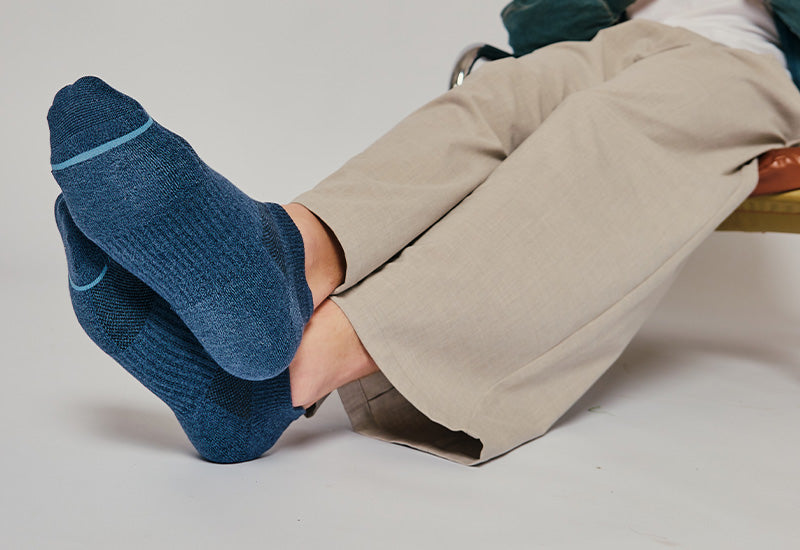
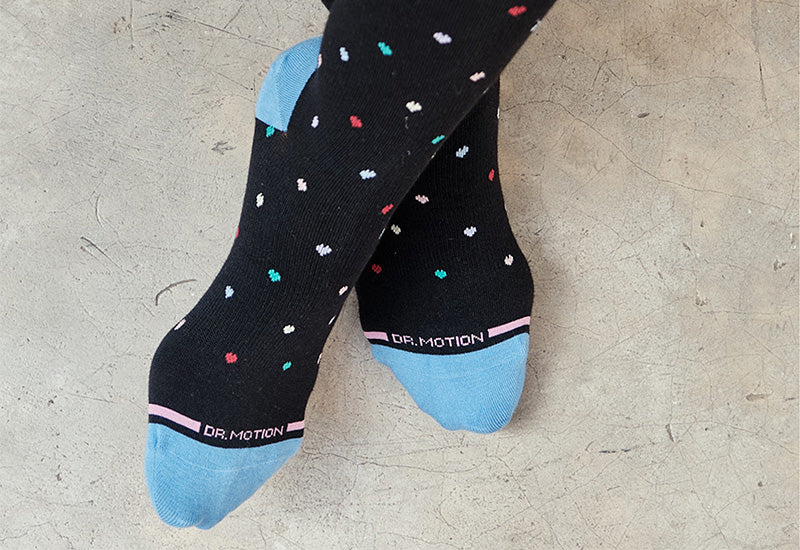
What you wear daily has an impact on how your feet feel. Shoes that fit well help avoid pressure, while soft, breathable socks like our women's diabetic socks can help reduce friction and maintain comfort.
When to See a Doctor for Circulation Problems
While daily habits can support circulation, certain signs should not be ignored. Cuts, blisters, or sores that are slow to heal may need medical attention. Persistent swelling, noticeable changes in skin color, or ongoing discomfort are also important indicators that should be checked.
In some cases, changes in temperature or sensation in the feet may require further evaluation. Seeking timely medical advice helps ensure that any concerns are addressed early and managed appropriately.

Final Thoughts
Foot health becomes closely linked to how well your body manages circulation when you live with diabetes. Small, everyday choices, like regular movement, balanced sugar levels, and noticing changes early, can help reduce discomfort and keep things under control. Over time, these habits make it easier to handle how your feet feel and respond throughout the day.
Along with this, what you wear also matters. Our diabetic socks for women are designed with a soft, non-binding fit, breathable fabrics, and a smooth finish that helps reduce friction. They are made to feel comfortable for long hours, without adding pressure or irritation.
Disclaimer: This article provides information solely for educational purposes, including but not limited to text, graphics, images, and other materials contained herein. This article is not intended to substitute for professional medical advice, diagnosis, or treatment. Always seek the advice of your physician or another qualified healthcare provider with any questions you may have regarding a medical condition.

Leave a comment
This site is protected by hCaptcha and the hCaptcha Privacy Policy and Terms of Service apply.