

A stress fracture in the foot can change how you move through your day. Even simple activities like walking or standing for a while can start to feel uncomfortable. Since the foot supports your body weight with every step, even a small injury can affect balance, movement, and overall comfort.
During recovery, reducing strain on the foot is essential. At the same time, maintaining steady circulation in the lower legs can support how your body adjusts to reduced activity. This is where compression socks for stress fracture situations are often considered as part of everyday support.

What Is a Stress Fracture in the Foot?
A stress fracture is a small crack in a bone that forms due to repeated impact. It does not happen suddenly. Instead, it develops when the foot experiences the same type of pressure repeatedly without enough time to recover.
These fractures most often affect the metatarsals, the long bones that connect the toes to the middle of the foot. Since these bones carry weight during walking and standing, they are more exposed to strain.
Pain from a stress fracture is usually felt in one specific area. It tends to increase during movement and reduce with rest. Over time, the discomfort can become more noticeable, especially during longer periods of activity.
Common Causes of Foot Stress Fractures?
Stress fractures are closely linked to repeated impact and changes in physical routine. Several factors contribute to the pressure placed on the foot.
-
Sudden Increase in Activity
A quick shift in activity levels, such as starting a new workout routine or increasing walking distance, can place extra strain on the bones.
-
Long Hours on Hard Surfaces
Standing or walking on surfaces like concrete increases the force absorbed by the foot with each step.
-
Inadequate Footwear Support
Shoes that lack cushioning or proper arch support can lead to uneven pressure distribution.
-
Muscle Fatigue
When muscles become tired, they absorb less impact. This shifts more force directly onto the bones.
-
Repetitive Motion Without Recovery
Daily routines that involve continuous movement without rest can gradually weaken the bone structure over time.

How Compression Socks Support Stress Fracture Recovery
Compression socks can play a supportive role during recovery from a foot injury. Here’s how compression socks for stress fractures in foot recovery can help make daily movement more comfortable.
-
Supporting Circulation During Reduced Activity
When activity levels drop, circulation in the lower legs can feel slower. Compression socks apply gentle pressure that helps maintain consistent blood flow, which can improve overall comfort.
-
Managing Mild Swelling in the Lower Leg
Swelling often appears around the ankle and calf when movement is limited. Compression supports how fluid moves through the leg, which may help reduce that buildup.
-
Reducing Leg Fatigue
Even light movement can feel tiring during recovery. Compression socks provide a level of support that helps the legs feel more stable throughout the day.
-
Supporting Muscle Efficiency During Light Movement
When you’re recovering, your lower leg muscles don’t work the same way as usual. Compression socks give light support, which can make short walks and everyday movement feel easier and less tiring.
When Should You Wear Compression Socks for a Stress Fracture
Compression socks are most useful when your legs need support to stay comfortable through the day. Short periods of walking or standing can still put some strain on the lower leg while the foot is healing, which is where that support can help. On the other hand, sitting for long hours can leave the ankles feeling stiff or slightly heavy, especially when movement is limited.
A simple way to approach this is to wear them as part of your daily routine rather than overthinking the timing. Many people put them on in the morning and keep them on while going about their usual activities. They are usually taken off before bed, since the legs are fully at rest and do not need the same level of support.

How Long Should You Wear Compression Socks for Stress Fractures
There is no set time for wearing compression socks, as recovery is different for everyone. In the beginning, you can wear them for most of the day to keep your legs comfortable. As walking starts to feel easier, you can wear them only when you are on your feet for longer periods. Over time, you may use them only when needed, based on how your legs feel.
Choosing the Right Compression Socks for Foot Stress Fracture Support
The right pair depends on comfort, fit, and how well it supports your routine. These factors can help you choose a pair that feels right.
-
Compression Level
Mild to moderate compression socks, around 8–15 mmHg or 15–20 mmHg, work well for daily wear. They support circulation while staying comfortable during walking, standing, or light activity.
-
Fit and Sizing
A proper fit ensures even pressure along the leg without discomfort. Compression socks should feel snug at the ankle and gradually ease upward without slipping, bunching, or feeling restrictive.
-
Material and Breathability
Blends of polyester, cotton, nylon, and spandex provide comfort, stretch, and durability. Breathable fabrics help manage moisture, keeping your feet dry and comfortable as you move through your day.
-
Design Preferences
Knee-high styles are commonly preferred for lower leg support. Our compression socks for women and men offer varied fits and designs that can be worn easily with everyday outfits.

Additional Ways to Support Recovery from a Stress Fracture
Small daily habits can support recovery and help reduce unnecessary strain on the foot as it heals.
-
Get Enough Rest
Limiting weight-bearing activity gives the bone time to recover without added pressure. Taking breaks throughout the day helps avoid putting repeated strain on the same area.
-
Avoid High-Impact Activities
Running and jumping place direct pressure on the foot, which can slow recovery. Choosing low-impact movement helps reduce stress on the affected area.
-
Wear Supportive Footwear
Shoes with proper cushioning and arch support help distribute weight evenly across the foot. This reduces pressure on specific areas and improves comfort while walking.
-
Keep Your Foot Elevated
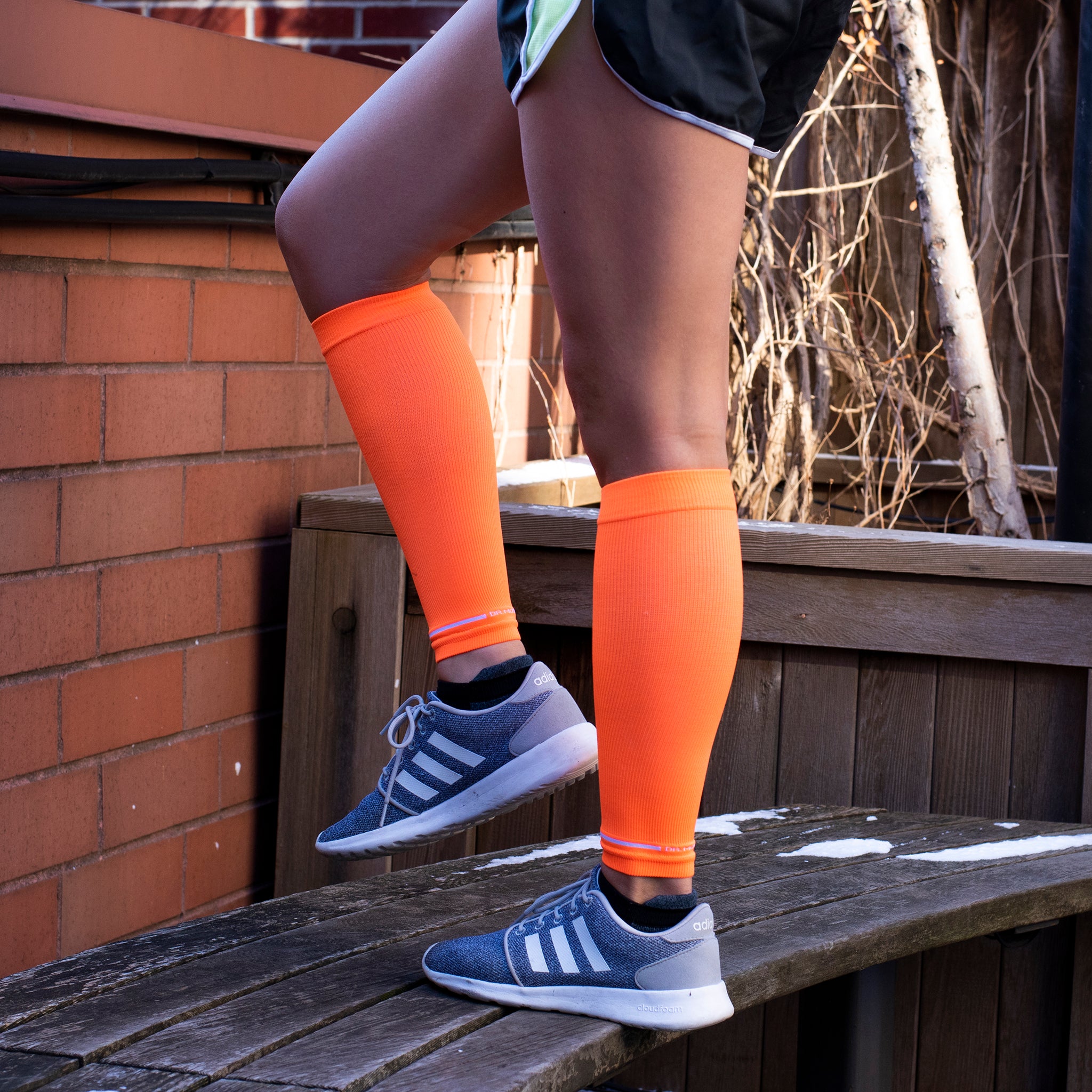
Keeping the foot slightly raised, especially after long periods of standing, can help reduce swelling. Some people also use calf compression sleeves for added lower leg support during rest.
-
Eat a Healthy Diet
Nutrients such as calcium and vitamin D support bone strength. A balanced diet helps the body recover more effectively over time.
Find Supportive Compression Socks for Recovery with Dr. Motion
Recovery from a stress fracture often depends on how well you manage comfort as you return to regular movement. Paying attention to support, footwear, and daily habits can make that transition feel easier and more stable.
Our compression socks are made for everyday use, with breathable materials and a mild to moderate compression level that helps keep the lower legs comfortable. With the right fit, they can be worn easily as part of your routine without feeling restrictive or difficult to manage.
Disclaimer: This article provides information solely for educational purposes, including but not limited to text, graphics, images, and other materials contained herein. This article is not intended to substitute for professional medical advice, diagnosis, or treatment. Always seek the advice of your physician or another qualified healthcare provider with any questions you may have regarding a medical condition.


Leave a comment
This site is protected by hCaptcha and the hCaptcha Privacy Policy and Terms of Service apply.