

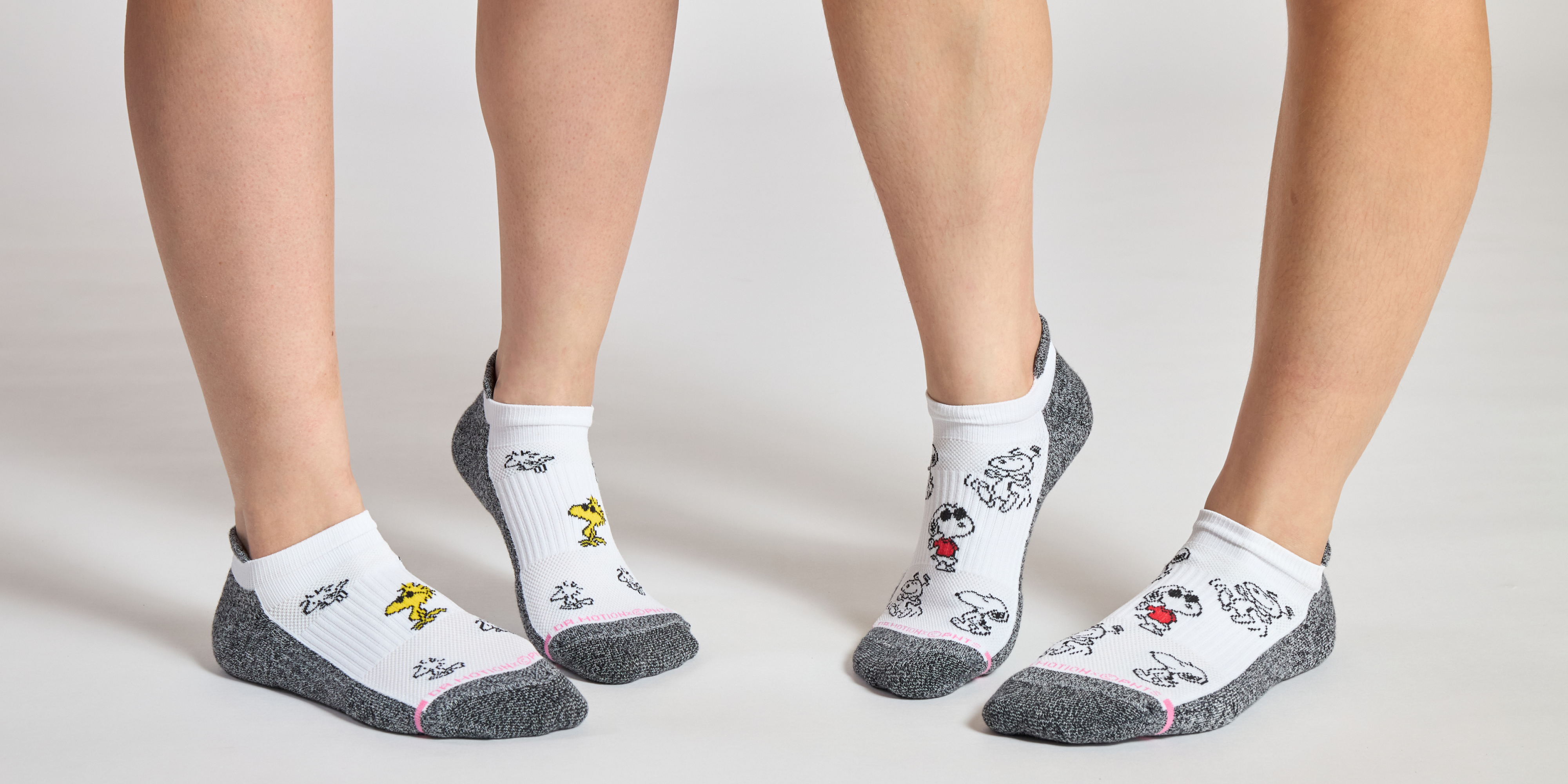
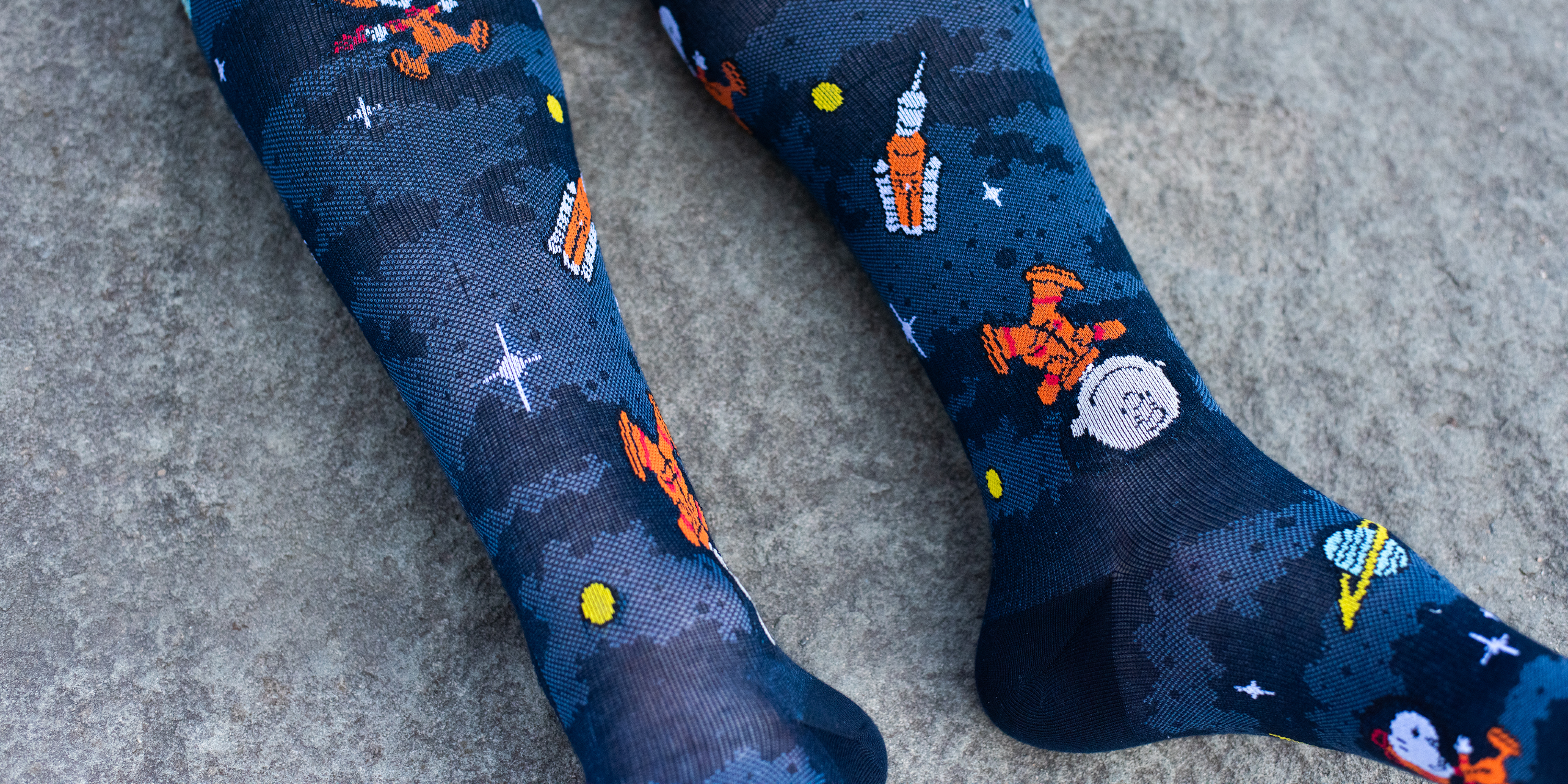
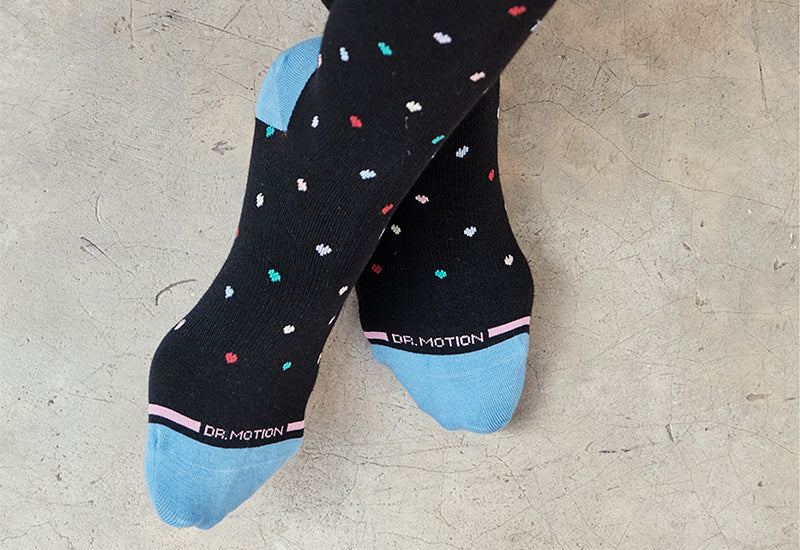
Venous leg ulcers do not appear overnight. They develop gradually, often after months or years of underlying issues. The good news is that a simple, wearable solution can help. Specialists commonly recommend compression socks for venous leg ulcers, both for prevention and for recovery. Noticing swelling, skin changes, or slow-healing wounds? This guide breaks it down for you.
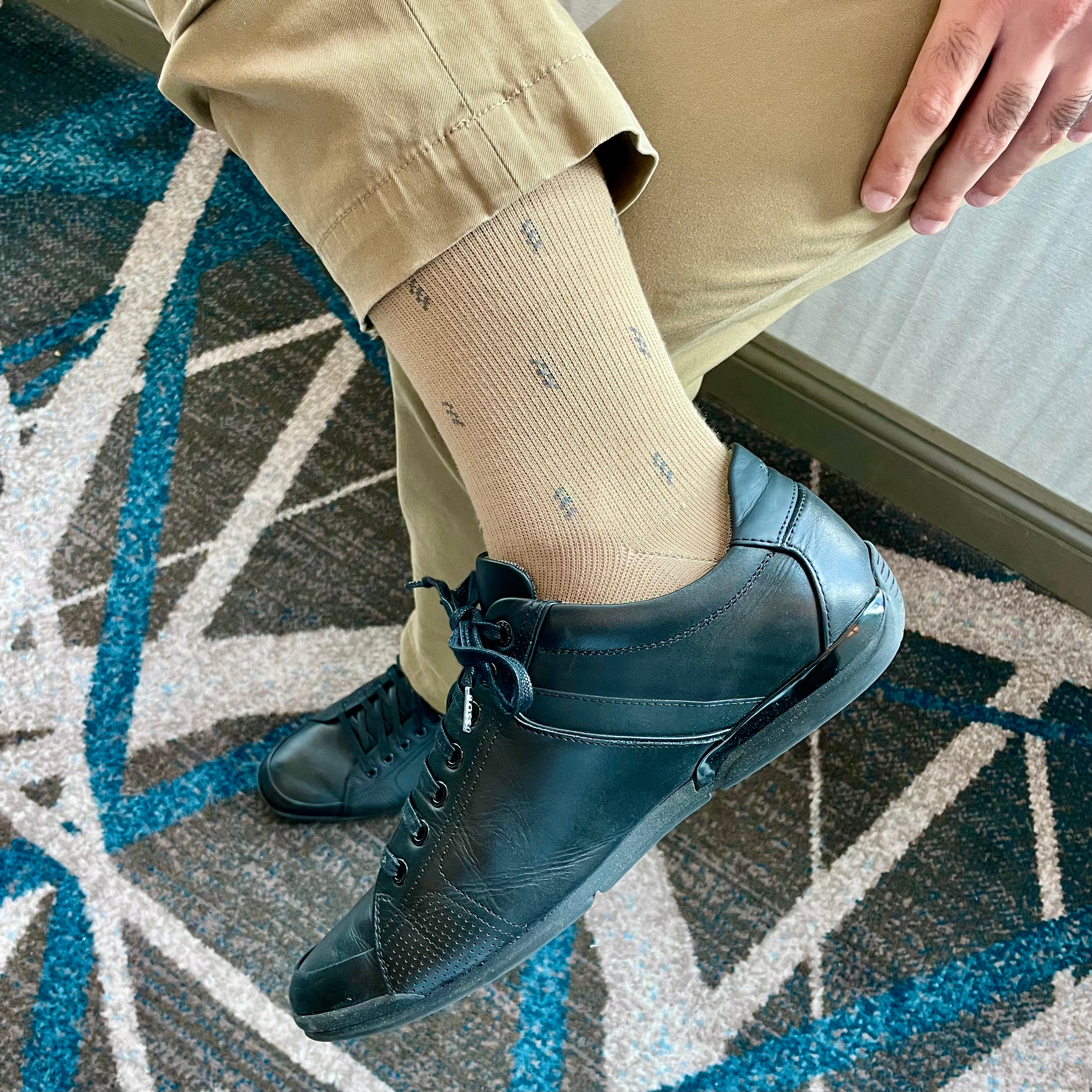
Venous Leg Ulcers: Meaning and Causes
Venous leg ulcers are open wounds that usually form around the ankle due to chronic venous insufficiency, a condition where leg veins struggle to return blood to the heart. Healthy veins use small valves to keep blood moving upward, but when these valves weaken, blood begins to pool in the lower legs. This pooling increases pressure in the veins, forcing fluid into surrounding tissues. Over time, reduced oxygen and nutrient supply cause the skin to break down, leading to an ulcer. Several factors can increase the risk of developing venous leg ulcers:
-
Previous deep vein thrombosis (DVT): Blood clots can permanently damage vein valves, disrupting normal blood flow long after the clot itself has resolved.
-
Varicose veins: Enlarged, twisted veins are a visible sign that venous pressure is already elevated.
-
Obesity: Excess body weight increases pressure on the veins of the lower extremities.
-
Prolonged sitting or standing: Both extremes reduce the pumping action of the calf muscles, which the veins depend on to move blood upward.
-
Age: Vein walls naturally lose elasticity over time, making older adults more susceptible.
-
Family history: Venous insufficiency has a strong genetic component.
-
Previous leg injuries: Trauma to the leg can damage veins and slow circulation in the affected area.

What are the Early Signs of a Venous Leg Ulcer?
Here is what to watch for to catch early warning signs before an ulcer develops:
-
Persistent ankle or lower leg swelling that worsens throughout the day and improves overnight with elevation.
-
Skin discoloration around the ankle, often appearing as a brownish or reddish stain caused by iron deposits from leaking red blood cells.
-
Skin that feels hard or tight, a condition called lipodermatosclerosis, where the tissue beneath becomes fibrotic and thickened.
-
Itching or a burning sensation on the lower leg, which can indicate inflammatory changes in the skin.
-
Dry, flaky, or eczema-like patches on the lower leg or ankle area.
-
A shallow, irregularly shaped wound that is slow to heal, often weeping fluid, usually located just above the inner ankle.
-
Heaviness or aching in the legs, particularly after standing or sitting for extended periods.
How Do Compression Stockings for Venous Leg Ulcers Help?
Compression socks for venous leg ulcers apply graduated pressure, strongest at the ankle and decreasing up the calf. This supports the veins, reduces blood pooling, and helps move blood back toward the heart. Here is how that translates into real benefits:
-
Reduces edema: By limiting fluid leakage from the veins into surrounding tissue, compression reduces swelling that impairs healing.
-
Improves circulation: Graduated pressure encourages blood to flow in the right direction, relieving the venous hypertension that damages skin.
-
Promotes wound healing: Better circulation means more oxygen and nutrients reaching the damaged tissue, which is essential for ulcer closure.
-
Prevents recurrence: Studies show that consistent use of compression stockings after healing reduces the risk of a new ulcer forming.
-
Provides comfort: Properly fitted compression socks for leg ulcers can relieve the aching and heaviness that accompany chronic venous insufficiency throughout the day.

How to Select Compression Socks for Venous Leg Ulcers
Choosing the right pair matters. Here are the key factors to consider.
-
Compression Level
Compression is measured in millimeters of mercury (mmHg), and the right level depends on the severity of the condition. Mild compression of 8 to 15 mmHg suits early symptoms and general leg comfort, while 15 to 20 mmHg works better for swelling, varicose veins, and early prevention. For active ulcers or advanced venous insufficiency, 20 to 30 mmHg is commonly recommended with medical advice, and anything above 30 mmHg is medical-grade and typically prescribed. For general daily wear and early prevention, many people find that the best compression socks for leg ulcers sit in the 15 to 20 mmHg range.
-
Material and Comfort
The material of compression socks plays a key role in comfort, breathability, and durability. Polyester, nylon, and spandex blends provide a snug fit and maintain consistent compression, while cotton blends add softness and are better suited for sensitive skin. Moisture-wicking fabrics help keep the skin dry during long wear, reducing the risk of irritation. Within our selection, you will also find options with terry inner lining, designed to offer a softer feel against the skin.
-
Length
Knee-high compression socks are commonly recommended for venous leg ulcer management as they cover the area from the ankle to just below the knee, where compression is most needed. Our knee-high options offer mild to moderate support with clean, contemporary designs that one can wear every day.
How to Use Compression Socks for Venous Leg Ulcers and When to See a Doctor
Consistency plays a major role when using compression socks for ulcers. Wear them first thing in the morning, ideally before getting out of bed or soon after, when swelling is lowest. Keep them on through the day, especially if you spend long hours standing or sitting, and remove them before sleeping unless advised otherwise. Since the fabric loses elasticity over time, replace your socks every three to six months. If you are using them as part of active ulcer treatment, follow your doctor’s guidance on duration and compression level. However, while proper use supports healing, certain signs need medical attention:
-
The wound does not improve within two weeks
-
Increasing redness, warmth, or swelling around the area
-
The ulcer becomes larger, deeper, or more painful
-
Sudden or severe leg pain
-
Existing conditions like diabetes or poor circulation
-
Uncertainty about the right compression level
A vascular specialist or wound care nurse can assess your condition and guide you with the right treatment plan, including suitable compression therapy.

Choose the Right Compression Socks with Dr. Motion
Managing venous leg ulcers takes consistency, and the right compression socks make it easier to stay on track. Our knee-high collection is designed with this in mind, offering a range of compression levels in various styles that suit your mood.
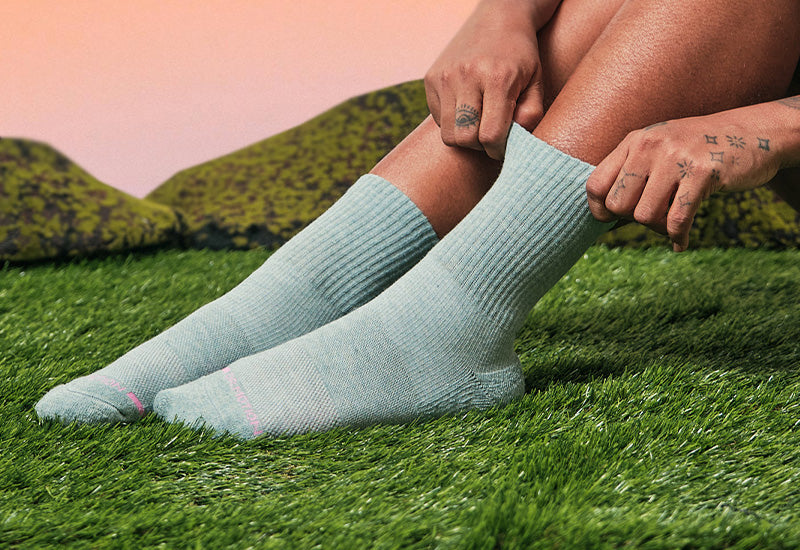
Built for everyday use, each pair features a non-binding comfort band that stays in place without digging in, and reinforced toes for added durability. TruDry™ microfiber blends keep feet cool and dry, even during long hours of wear. When comfort and function come together like this, staying consistent feels far more manageable. Explore our knee-high collection today and find a pair that fits your routine!
Disclaimer: This article provides information solely for educational purposes, including but not limited to text, graphics, images, and other materials contained herein. This article is not intended to substitute for professional medical advice, diagnosis, or treatment. Always seek the advice of your physician or another qualified healthcare provider with any questions you may have regarding a medical condition.


Leave a comment
This site is protected by hCaptcha and the hCaptcha Privacy Policy and Terms of Service apply.