

A heavy feeling in the lower legs can change how you move through your day. Even simple activities like walking or standing for a while can start to feel uncomfortable. Since the lower body supports your weight with every step, minor swelling affects balance, movement, and overall comfort. During these times, reducing strain on the lower legs becomes essential. Maintaining steady circulation helps the body adjust to changing fluid levels. This is where wearing compression socks for water retention can support how your legs manage fluid balance. By providing gentle pressure, they encourage trapped fluids to move back up your legs.

What Is Water Retention in the Legs?
Water retention is also known as fluid retention. It occurs when excess fluid accumulates in body tissues. It commonly affects the feet, ankles, and lower legs because gravity naturally pulls fluid downward throughout the day.
What Causes Water Retention?
There are many reasons that fluid may tend to build up. One of the main reasons is standing or sitting for long periods of time. This prevents the leg muscles from pushing the fluid upward. Warm weather, increased salt consumption, and changes in daily routines all greatly influence normal fluid levels. Dehydration can also cause the body to retain too much water, pushing moisture into the lower legs.
Common Signs of Water Retention
Symptoms may vary individually but often include:
-
Swollen ankles or feet
-
Tightness in the skin
-
Indentations left by socks or footwear
-
A heavy feeling in the legs
-
Reduced flexibility around the ankles
-
Shoes that feel tighter than usual

Why Swelling Often Gets Worse Later in the Day
As the day progresses, gravity causes fluid to gradually collect in the lower extremities. People who spend hours at a desk, work on their feet, or travel frequently often notice swelling becoming more noticeable during the evening.
Who Commonly Experiences Water Retention?
It is especially common among the following groups:
-
Office workers who sit for extended periods
-
Retail and healthcare professionals who stand for long shifts
-
Pregnant women
-
Frequent travelers
-
Older adults
-
Individuals with circulation-related concerns
Why Doctors Recommend Compression Socks for Water Retention
Healthcare professionals often advise external compression to assist in supporting the body’s natural movement of blood and fluids. Proper-fitting compression stockings for water retention apply gentle pressure to the legs to help reduce fluid buildup and promote movement back to the upper body.
If you suffer from mild swelling, this simple approach will help you feel more comfortable and may even prevent fluid from accumulating in the lower limbs.

How Compression Socks Help Reduce Water Retention
Below are some key ways compression socks help support better fluid movement in the legs.
-
Pushes Fluid Away from the Lower Legs
Compression socks for fluid retention give a light squeeze around your feet and calves. This makes it harder for excess fluid to build up in one spot and cause noticeable swelling.
-
Supports Circulation During Long Sitting
Being seated in the same position for hours can cause your legs to become stiff and uneasy. Graduated compression socks provide extra support when mobility is limited for long periods of time.
-
Reduces Ankle Puffiness
Swelling usually shows up around your ankles first. Wearing proper support daily physically blocks excess fluid from pooling in the ankles, keeping puffiness at bay.
-
Helps Legs Feel Lighter Throughout the Day
Heavier legs can make everyday tasks feel more tiring than usual. Many find that compression socks and water retention management are a good combination for comfort.
-
Supports Legs During Travel & Heat
Long journeys and warm weather often cause rapid swelling. A good pair of compression socks tackles this discomfort head-on by limiting the fluid that collects around your feet and ankles.
-
Reduces End-of-Day Swelling
By evening, your feet and ankles are often bigger than they are in the morning. Compression socks reduce water retention for many people and keep you comfortable as the day wears on.

Best Compression Socks for Water Retention
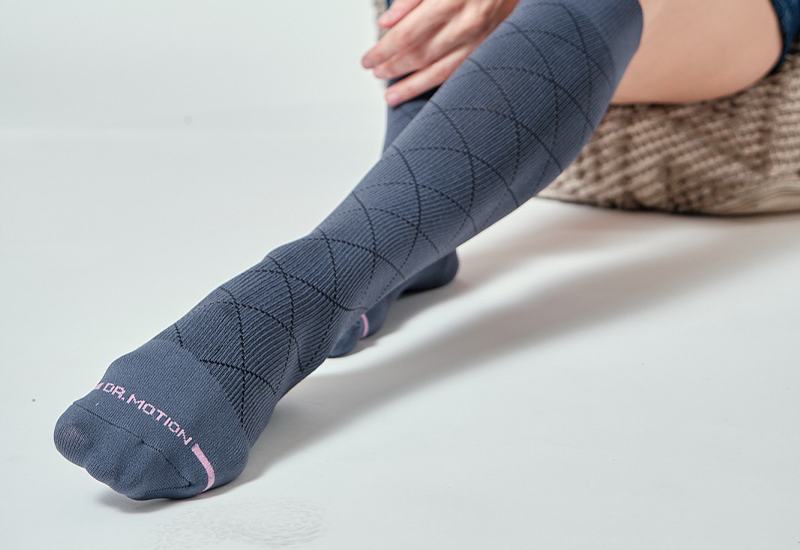
The best compression socks for water retention offer support and comfort without being too tight. For mild to moderate swelling, most people prefer graduated compression socks. These socks apply more pressure at the ankles and then gradually lessen the pressure up the leg. This helps fluids move around and boosts circulation.
When buying compression socks, pick ones made from moisture-wicking, breathable fabrics like cotton, spandex, and nylon. Sizing matters a lot, too. Socks that are way too tight could feel awful, while loose ones won’t offer enough support. If you’re trying compression socks for the first time, start with mild compression socks (8–15 mmHg). For more serious or ongoing swelling, it’s recommended to speak to your doctor first.
When to Wear Compression Socks for Water Retention
Compression stockings for fluid retention are most effective when worn early in the day, ideally before swelling becomes noticeable. Putting them on soon after waking allows them to work before excess fluid begins collecting in the lower legs. Consistent use during waking hours generally provides the greatest benefit. Unless a healthcare provider recommends otherwise, they should be removed before going to bed and before bathing or showering.
Things You’re Doing That May Increase Fluid Buildup
Certain everyday habits can contribute to fluid retention without you realizing it.
-
Sitting in one position for hours
-
Standing for prolonged periods without movement
-
Consuming excessive sodium
-
Drinking insufficient water
-
Wearing tight clothing around the legs
-
Skipping regular physical activity
-
Remaining inactive during travel
Making small lifestyle adjustments alongside using support stockings for water retention may help improve overall comfort and reduce swelling episodes.
When Water Retention May Need Medical Attention
Most moderate swelling is short-term, but some signs should not be ignored. Water retention accompanied by shortness of breath, chest pain, confusion, or abrupt swelling in one leg requires emergency medical attention. You should also seek a quick medical assessment for chronic pitting edema, unexplained weight gain, and redness, warmth, or swelling that worsens unexpectedly. If you’re pregnant, then unexpected swelling, headaches, or visual abnormalities need immediate attention.

Manage Everyday Swelling with Dr. Motion
Finding relief from occasional swelling often starts with choosing the right support. That's why we create compression socks for men and women that are comfortable enough for everyday wear while delivering the gentle compression your legs need. With the right fit, staying comfortable throughout the day can feel much easier.
Disclaimer: This article provides information solely for educational purposes, including but not limited to text, graphics, images, and other materials contained herein. This article is not intended to substitute for professional medical advice, diagnosis, or treatment. Always seek the advice of your physician or another qualified healthcare provider with any questions you may have regarding a medical condition.

Leave a comment
This site is protected by hCaptcha and the hCaptcha Privacy Policy and Terms of Service apply.