

Going through IVF is one of the most physically demanding journeys a woman can take. And while most conversations focus on medications and timelines, the everyday physical discomfort often gets overlooked - swollen legs, heavy feet, that drained feeling that follows you through the day. If you're wondering why your body feels so different during treatment, you're not imagining it. This guide breaks down what's happening and how compression socks for IVF comfort could make a real difference.

What Happens to the Body During IVF?
IVF puts your body through a lot. The medications, hormone fluctuations, and procedures all show up in ways you feel below the waist.
-
Hormones & Fluid Retention
The hormone injections used during IVF, especially those that stimulate the ovaries, cause estrogen levels to spike. High estrogen is directly linked to fluid retention. Your body holds onto more water than usual, and that excess fluid tends to pool in the lower extremities.
-
Swelling & Heavy Legs
As fluid accumulates, the ankles and calves feel puffy, tight, and uncomfortable. Some women describe their legs as feeling two sizes too big. This edema is usually temporary but can be persistent during active cycles.
-
Fatigue During Treatment
Hormonal shifts during IVF don't just affect fluid balance. They also cause significant physical fatigue. The body is working overtime, and that exhaustion often settles in the legs first as a dull ache and heaviness.
-
Changes in Circulation
Some women experience a mild slowing of circulation in the lower legs, which contributes to that heavy, sluggish feeling. In more serious cases, hormonal stimulation can raise the risk of blood clots, making circulatory support worth taking seriously.

Benefits of Compression Socks During IVF
The right pair of socks won't fix everything, but it can take the edge off a lot of what IVF puts your body through. Here's how compression socks for IVF support can help.
-
Swelling and fluid buildup
IVF medications cause fluid to pool fast. Graduated compression socks push that fluid upward rather than letting it settle, so ankles and calves stay less puffy through the day. At the same time, the gentle squeeze keeps blood circulating steadily through the lower legs, which matters most during stimulation phases when circulation tends to slow on its own.
-
Heaviness and leg fatigue
Beyond swelling, there is the weight. Legs during IVF often feel heavier than they should, a combination of fluid pressure and hormonal fatigue that builds through the day. Compression gives the muscles something to push against, taking that heaviness down a notch. On clinic days, when you are sitting in waiting rooms for long stretches or lying still through a transfer procedure, that support becomes even more useful since stillness is exactly when circulation drops and discomfort sets in.
-
Travel and appointments
Travel is another pressure point. For women making long drives or flights to reach their clinic, knee-high compression socks cover the full lower leg, where travel-related swelling tends to hit hardest. Wearing them through a travel day makes a noticeable difference in how legs feel on arrival.
-
Early pregnancy and everyday wear
A successful cycle does not end the physical strain. Compression socks for maternity carry the same benefits straight into early pregnancy, addressing the swelling and heaviness that continues as the body adjusts. Even on days without appointments, wearing compression consistently prevents fatigue from compounding.

Choosing the Right Compression Socks for IVF Comfort
A few key factors make the difference between socks that help and ones that don't.
-
Compression level: A mild (8-15 mmHg) to moderate (15-20 mmHg) pressure level is the most comfortable starting point for managing IVF-related swelling and fatigue.
-
Length based on need: Knee-high compression socks provide the most coverage. This is because fluid not only settles at the ankle, but also builds up through the entire lower leg.
-
Fit: Size based on the brand's measurements, not just shoe size. A poor fit means no compression benefit. Also, make sure the cuff at the top sits comfortably without digging into the skin.
-
Fabric: Look for breathable, stretchy blends. Moisture-wicking materials are a bonus during the temperature fluctuations that come with hormone treatments.
Things to Keep in Mind Before Wearing Compression Socks During IVF
Compression socks are generally very safe, but a few things are worth checking first.
-
Talk to your care team. Your fertility specialist should know you're planning to wear them, especially if you're at risk for OHSS (Ovarian Hyperstimulation Syndrome).
-
Don't size up, thinking it's safer. Proper fit is what creates compression. A loose sock does nothing.
-
Avoid overnight wear unless advised. Compression socks are designed for daytime use when you're upright and moving.
-
Watch for skin irritation. Skin sensitivity can increase during treatment. If irritation occurs, try a different fabric blend.
Other Ways to Support Circulation During IVF
Compression socks for IVF work best alongside other simple habits.
-
Short walks help more than you'd think. Even 10 to 15 minutes of gentle movement keeps blood flowing and prevents fluid from settling.
-
Elevate your legs when resting. Feet above hip level lets gravity help fluid drain back up.
-
Stay hydrated. Drinking enough water actually helps the body regulate fluid retention better than restricting intake.
-
Move your feet during long stretches of sitting. Simple ankle circles and toe raises keep circulation active without needing to stand.

Why Dr. Motion Compression Socks Are a Comfortable Choice During IVF
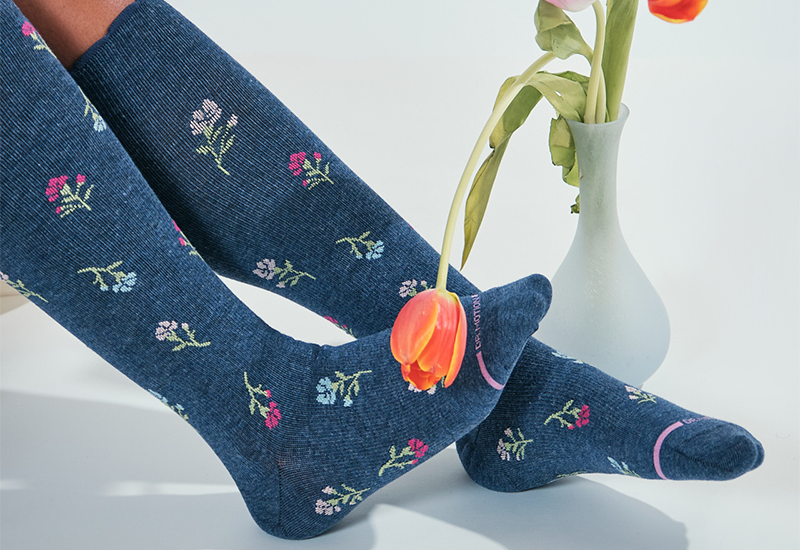
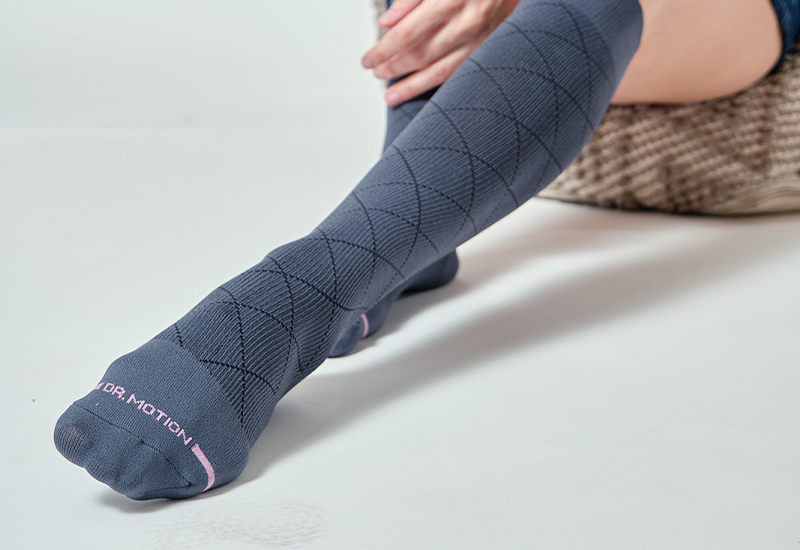
You’re already doing the hard work. Let us take care of your legs. Our knee-high compression socks do three things really well: A non-binding cuff that never digs in, graduated compression that steadily works through lower leg fatigue and swelling, and a smooth toe seam that keeps friction and irritation completely out of the picture. That covers everything your legs need during IVF treatment, on clinic days, travel days, transfer days, and the days in between. This range of compression socks for women also comes in a wide variety of prints and styles, because there is no reason support has to look clinical. Soft, breathable fabrics round out a sock that works as hard as you do. Browse our knee-high compression collection today!
Disclaimer: This article provides information solely for educational purposes, including but not limited to text, graphics, images, and other materials contained herein. This article is not intended to substitute for professional medical advice, diagnosis, or treatment. Always seek the advice of your physician or another qualified healthcare provider with any questions you may have regarding a medical condition.


Leave a comment
This site is protected by hCaptcha and the hCaptcha Privacy Policy and Terms of Service apply.