

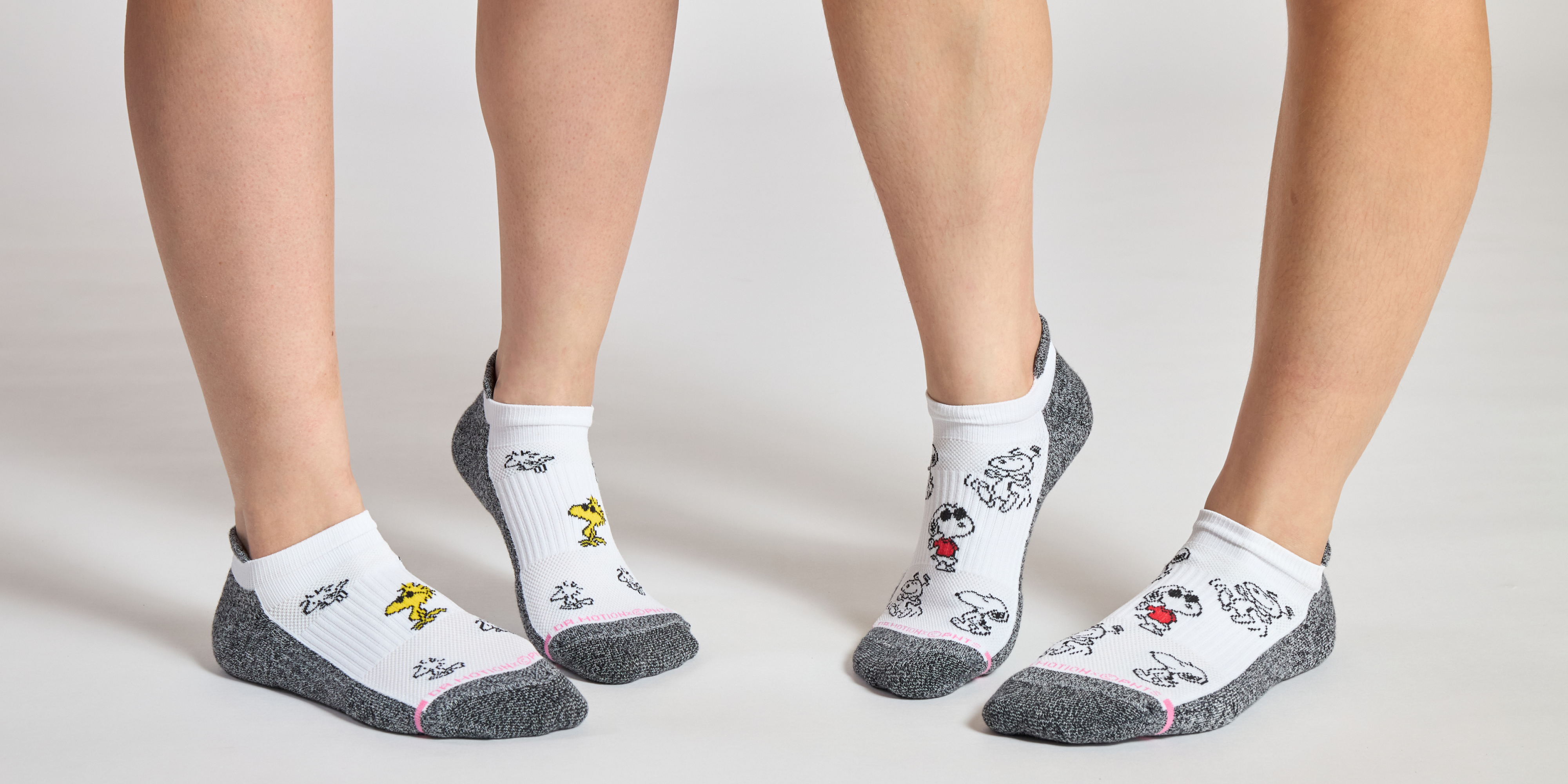
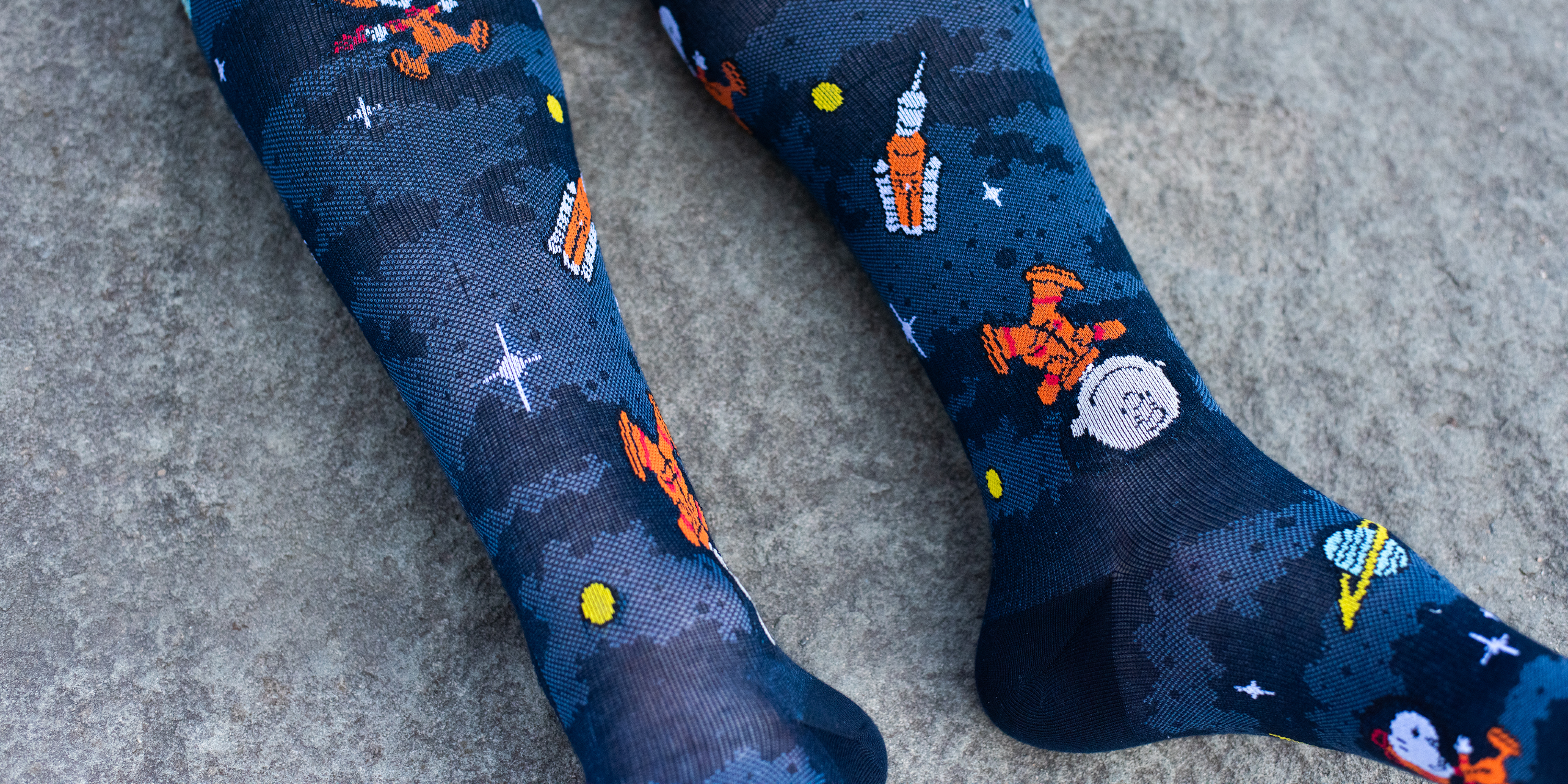

Diabetes can affect the feet in ways that are easy to miss at first. Swelling after a long day, slower healing, or a heavy feeling in the legs are all commonly linked to changes in circulation. Because of this, many people are paying closer attention to what they wear on their feet, especially as comfort and pressure become more noticeable in daily life.
One question that often comes up is, can diabetics wear compression socks? Many people with diabetes do wear them, but their suitability can vary based on individual foot health and circulation needs. Understanding how compression socks work and the factors that influence their use can help provide a clearer picture of when they may be beneficial and when additional guidance may be needed.

Why the Answer Isn’t the Same for Everyone
Diabetes can impact circulation, nerves, and foot health in varying degrees. As a result, the effect of compression socks may not be the same for everyone with diabetes. For example, someone experiencing mild swelling in the legs may have different considerations than someone managing diabetic neuropathy or peripheral arterial disease. That is why questions around whether a diabetic should wear compression socks are often answered based on how the condition affects the individual rather than diabetes alone.
The Most Important Step: Talk to Your Doctor First
Before you start wearing compression socks every day, it’s worth having a quick conversation with your doctor, especially if you already experience swelling, numbness, or circulation-related changes in your feet. Some pairs are made with lighter pressure, while others feel more snug around the legs during wear. People also commonly ask, “Should diabetics wear compression socks to bed?” Since foot comfort and circulation needs are not the same for everyone, getting proper medical advice beforehand can help you figure out what may feel most comfortable and suitable for your routine.
When Compression Socks Might Be Appropriate
There are certain situations where compression socks may feel comfortable and supportive during daily wear. Here are a few common situations where some people choose to wear them.
-
During Long Flights or Road Trips
Long flights and road trips often involve sitting in the same position for hours. With less movement, the feet and ankles may start to feel swollen or uncomfortable over time. Compression socks provide gentle pressure along the legs, which may help support circulation and reduce fluid buildup during longer journeys.
-
During Long Work Shifts
If you stand for hours, your legs can feel exhausted by the end of the day. For some people, compression socks can make lengthy shifts more comfortable by offering gentle support around the legs and reducing the sensation of heaviness.
-
For Daily Comfort Preferences
Compression socks don’t have to be just for travel or work. Some people use them during regular activities because they like the light, supportive sensation they provide. Today, compression socks for women and men come in breathable forms and lighter compression levels that are comfortable to wear every day.

When You Should Be Careful or Avoid Them
Compression socks can be a useful option for many people with diabetes, but there are situations where a little extra caution is needed. Factors such as diabetic neuropathy, peripheral arterial disease, a history of foot ulcers, or other diabetes-related foot complications can influence whether compression is appropriate and what level may be suitable.
This is because these conditions can affect circulation, sensation, or overall foot health. For example, reduced sensation may make it harder to notice if a sock is creating pressure in a particular area, while certain circulation-related conditions may require a more careful approach to compression levels. In these cases, selecting the right fit and level of compression becomes especially important.
If any of these conditions apply to you, speaking with a healthcare professional before wearing compression socks regularly is a good idea. They can assess your individual situation and help determine whether compression is suitable for your needs.

Why Lower-Pressure Options Are Often Safer for People with Diabetes
Lower-pressure compression socks, usually in the 8–15 mmHg or 15–20 mmHg range, are often recommended as a starting point because they provide a gentler level of compression. For many people with diabetes, these levels can offer light support for concerns such as mild swelling or a heavy feeling in the legs without applying more pressure than necessary.
The compression level matters because the goal is not simply to choose the strongest option available. Instead, it is about finding a level that aligns with individual needs and feels appropriate for regular use. This is one reason lower-pressure options are commonly discussed when exploring compression socks for diabetes.
Today, many women’s and men’s compression socks are available in these lower compression ranges and are often made with breathable materials that help make them feel more comfortable. Since individual needs can vary, seeking medical advice can help determine which level is most suitable for your needs.
A Safer Everyday Option: Gentle, Non-Restrictive Diabetic Socks
For people who prefer a softer feel during daily wear, diabetic socks are often a comfortable option for managing long hours on the feet. Our diabetic collection is designed with features that support lasting foot comfort, especially for people who pay closer attention to circulation, swelling, and skin sensitivity during regular movement.
Our diabetic socks feature non-binding tops that help avoid a tight feeling around the legs and encourage circulation, along with seamless construction that helps reduce friction near the toes and heels. Soft cushioning adds comfort during walking and standing, while breathable moisture-wicking fabrics help keep the feet feeling dry through the day. They also include antimicrobial properties and gentle stretch, making them comfortable for travel, workdays, and regular everyday wear.

Final Thoughts
Compression socks can be a beneficial option for many people with diabetes, particularly when leg swelling or circulation support is a consideration. However, because diabetes can affect foot health in different ways, the right choice often depends on individual needs and existing conditions. Paying attention to fit, compression level, and overall foot health can help ensure a more comfortable wearing experience.
Disclaimer: This article provides information solely for educational purposes, including but not limited to text, graphics, images, and other materials contained herein. This article is not intended to substitute for professional medical advice, diagnosis, or treatment. Always seek the advice of your physician or another qualified healthcare provider with any questions you may have regarding a medical condition.

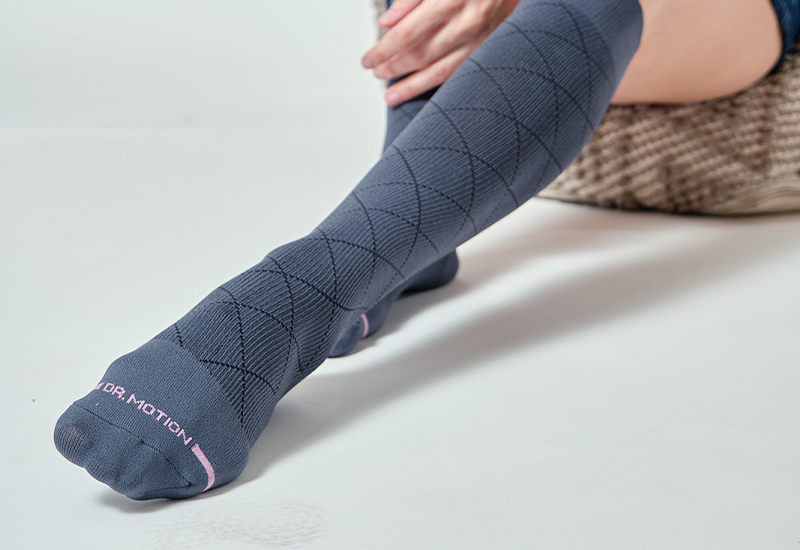

Leave a comment
This site is protected by hCaptcha and the hCaptcha Privacy Policy and Terms of Service apply.