

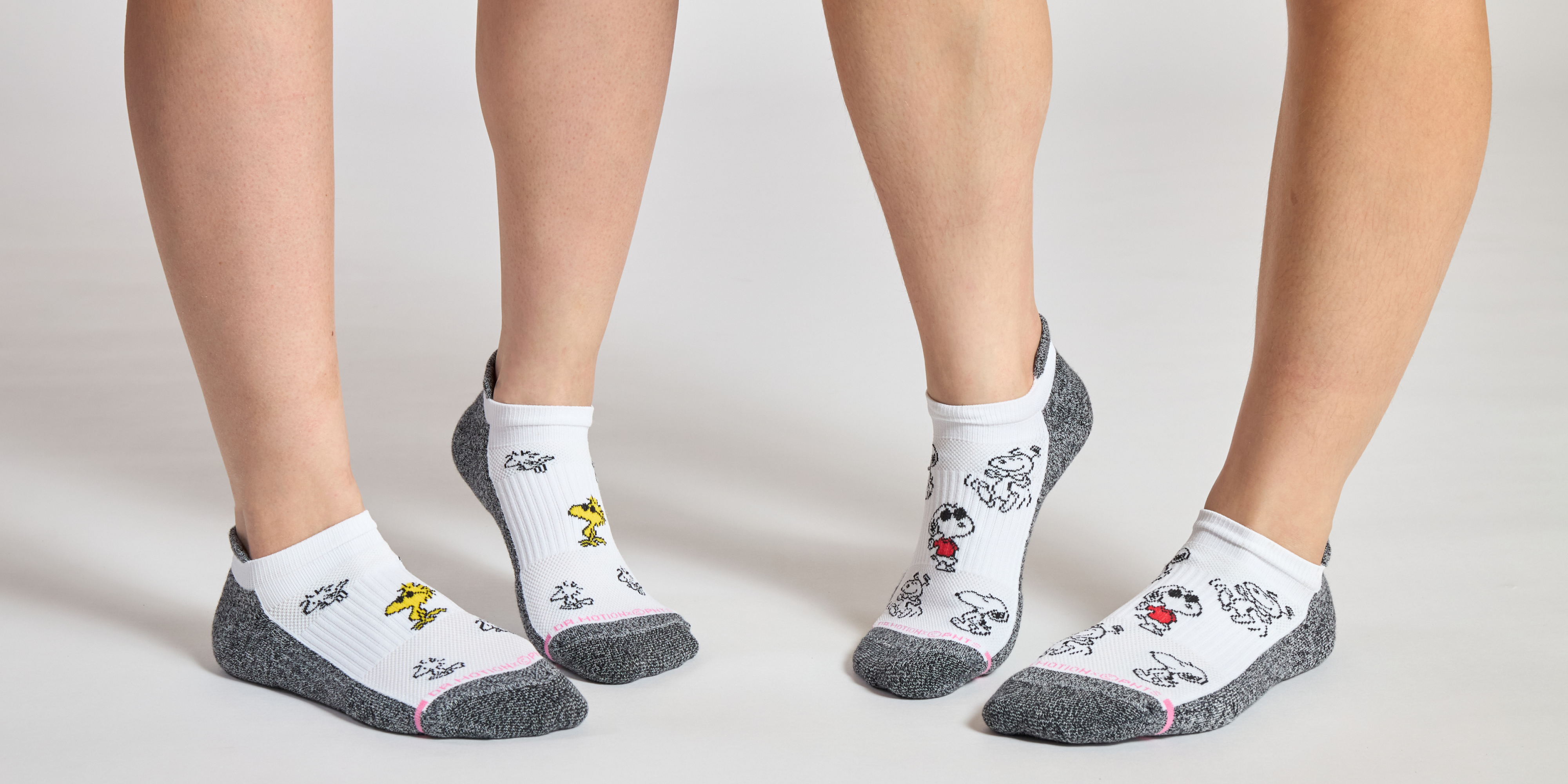
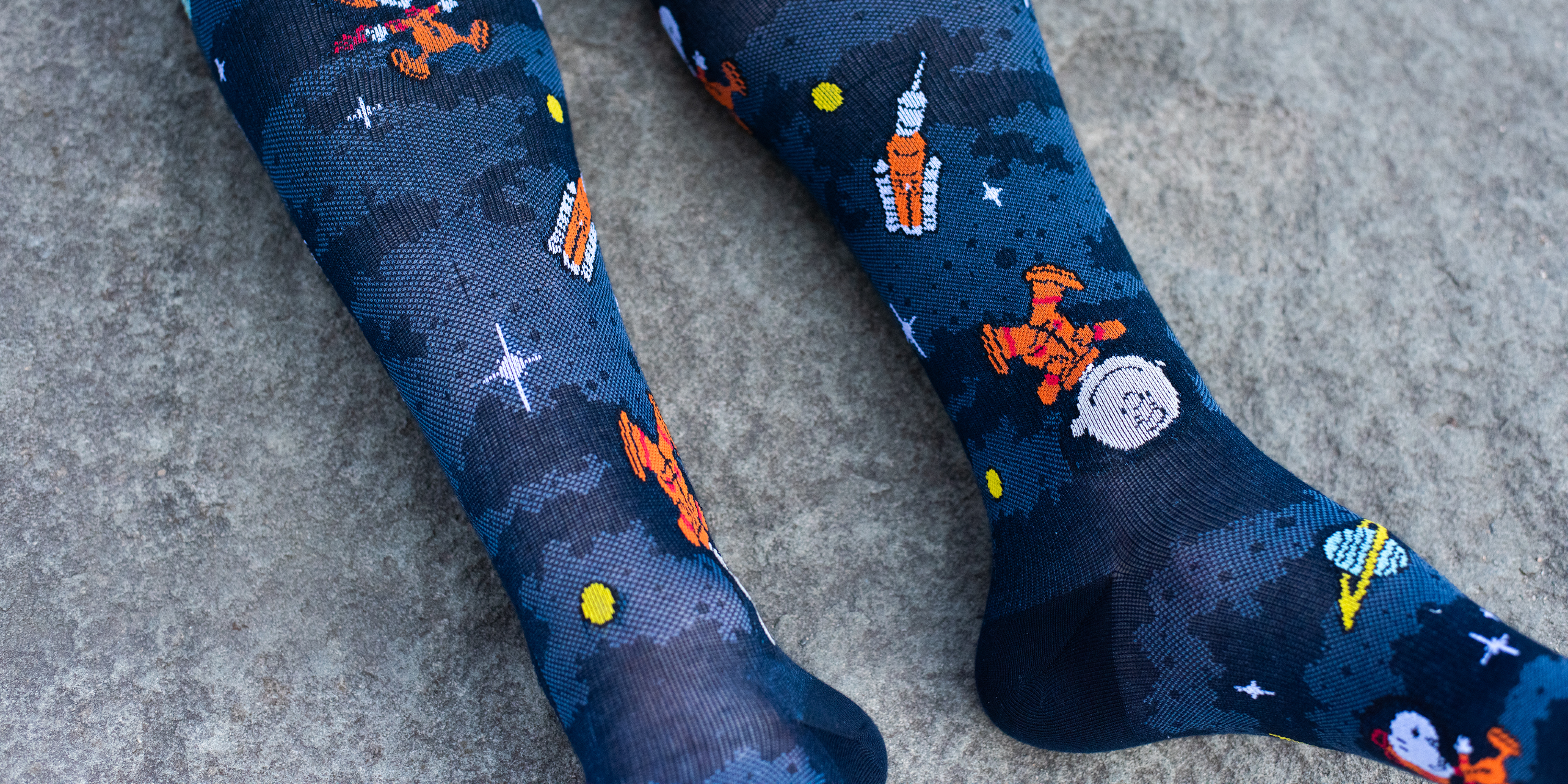
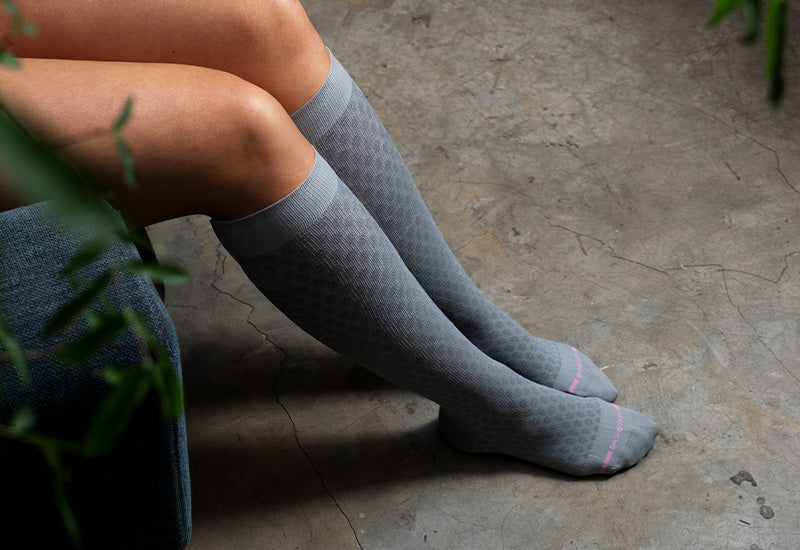
A meniscus tear stops you in your tracks fast. The swelling, the stiffness, the hesitation before every step, it adds up quickly and makes even routine movement feel like a negotiation. As recovery stretches on, people start looking for practical ways to stay comfortable and keep circulation moving, and that is where compression socks for meniscus tear recovery come into the picture. This guide breaks down what they actually do, what to look for, and whether they are worth adding to your routine.

Understanding a Meniscus Tear and Why It Disrupts Daily Movement
The meniscus is a crescent-shaped piece of cartilage sitting between the thigh bone and the shin bone inside each knee joint. There are two in every knee, and together they absorb shock, distribute body weight, and keep the joint stable across a wide range of motion. When one tears, the knee's entire load-management system gets thrown off. That disruption tends to show up in predictable ways:
-
Swelling that builds gradually: Unlike some injuries that swell immediately, a meniscus tear often causes fluid to accumulate over 24 to 48 hours, leaving the knee feeling tight and full.
-
Pain during specific movements: Squatting, twisting, and deep bending tend to reproduce sharp discomfort, limiting routine tasks such as lowering into a chair or getting in and out of a vehicle.
-
Morning stiffness: Many people notice the knee feels locked or reluctant to move after rest, making the first steps of the day especially uncomfortable.
-
A sense of instability: Depending on the tear's location and size, the joint can feel like it might give way while bearing weight, which can reduce confidence even on flat ground.
-
Reduced activity tolerance: Once manageable distances start to feel demanding, partly from pain and partly from the way surrounding muscles compensate for the injured joint.
Where Compression Fits Into Meniscus Tear Recovery
Compression therapy is not a replacement for medical treatment. It is a supportive tool that works alongside rest, physical therapy, and a physician's guidance. Here is where it fits.
-
How Compression Therapy Works
Graduated compression applies the most pressure at the ankle and eases off as it moves up toward the calf. That gradient pushes blood and interstitial fluid upward rather than letting it pool in the lower leg. The outcome is better circulation, less fluid buildup in surrounding tissue, and a noticeable reduction in that heavy, pressurized feeling in the limb.
-
Why Lower-Leg Compression Can Influence Knee Recovery
This part surprises people. Most compression socks sit below the knee, not on it, so the connection to a meniscus tear is not immediately obvious. The link is circulation. When mobility is limited, the calf muscles, which normally pump blood back toward the heart, become underused. Stagnant circulation in the lower leg creates a fluid backup that can travel upward and add pressure to an already inflamed knee joint. Keeping that circulation moving below the knee gives the joint one less source of fluid congestion to manage.

Benefits of Compression Socks for Meniscus Tear
The benefits of compression socks for meniscus tear recovery are grounded in how the lower limb functions during reduced activity. They will not repair cartilage or replace clinical care, but the practical advantages are real and consistent.
-
Managing Swelling and Discomfort
Graduated pressure works against fluid pooling in the lower leg. For someone spending more time seated or resting than usual, this can meaningfully reduce the tight, congested feeling that builds below the knee throughout the day.
-
Supporting Circulation During Limited Mobility
When movement is restricted, the passive circulatory support that compression provides becomes more valuable. This support lowers the risk of complications like deep vein thrombosis that are associated with prolonged inactivity.
-
Enhancing Comfort During Daily Activities
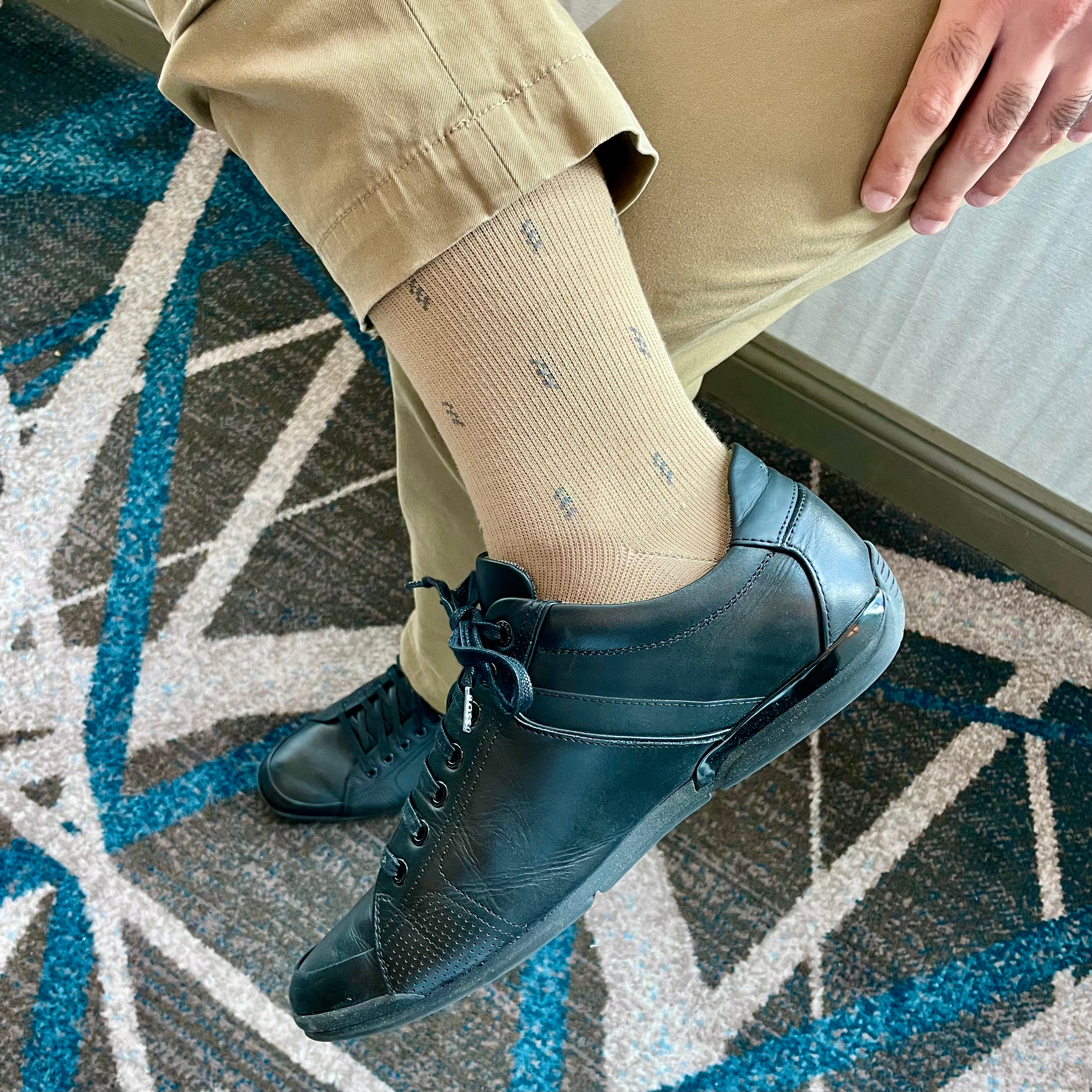
Do compression socks help a meniscus tear feel less burdensome on an average day? For many people, yes, they do. The consistent pressure reduces lower-leg heaviness, making short walks and everyday errands feel less draining. Knee-high styles offer the most relevant coverage for this type of recovery.
-
Post-Activity Recovery and Fatigue Reduction
After physical therapy or approved light exercise, compression socks support faster clearance of metabolic waste from the muscles. Less residual fatigue translates to more consistent follow-through on the recovery routine over time.

Choosing the Right Compression Socks for Knee Support
When shopping for men's and women's compression socks, choosing well matters. The wrong pair delivers no benefit or, worse, creates new discomfort. These are the factors worth prioritizing.
-
Compression level: For most people recovering from a meniscus tear, 8-15 mmHg compression socks offer a comfortable and accessible starting point.
-
Length: Knee-high is the most practical choice. It addresses calf circulation without putting direct pressure on the injured joint above.
-
Material: Nylon and spandex blends offer the stretch and shape retention that keeps graduated pressure consistent throughout the day. Moisture-wicking properties matter for longer wear periods.
-
Sizing: A sock that is too loose does nothing. One that is too tight can restrict the circulation it is supposed to support. Measure ankle and calf circumference before purchasing.
Safety Considerations and When to Speak to a Doctor
Compression socks suit most people well, but a few guardrails apply.
-
Speak with your physician before using compression socks if you have peripheral arterial disease, diabetes-related nerve issues, or significant skin conditions on the lower leg.
-
Do not use compression socks to delay seeking care. Worsening pain, a locked knee, or rapidly increasing swelling call for a medical evaluation.
-
Remove the socks if redness, numbness, tingling, or skin irritation develops. These are fit or pressure-level issues that need reassessment.
-
Avoid overnight wear unless a medical professional has specifically recommended it.
-
Revisit your compression needs as recovery progresses. A minor partial tear and a post-surgical knee have different requirements.

Make Meniscus Recovery More Comfortable with Dr. Motion
Recovery moves in small steps, and the right decisions made consistently are what add up. Our Knee-High Collection is built for exactly this kind of journey. The mild graduated compression relieves tired, aching legs without overwhelming sensitive tissue. The breathable cotton blend with Wickwell polyester keeps the legs cool and dry through longer wear, while the anti-microbial and anti-odor construction means freshness is never a concern. A non-binding comfort band maximizes stretch for better circulation all day, and the smooth, reinforced toe maintains optimal comfort and durability right down to the foot. So, what are you waiting for? Browse our knee-length compression socks for men and women today!
Disclaimer: This article provides information solely for educational purposes, including but not limited to text, graphics, images, and other materials contained herein. This article is not intended to substitute for professional medical advice, diagnosis, or treatment. Always seek the advice of your physician or another qualified healthcare provider with any questions you may have regarding a medical condition.

Leave a comment
This site is protected by hCaptcha and the hCaptcha Privacy Policy and Terms of Service apply.