

Foot pain has a way of affecting far more than just your feet. When the ball of your foot aches with every step, it changes how you walk, how long you can stand, and what activities you're willing to push through. Metatarsalgia is one of the more common reasons this happens, and while it's rarely dangerous, it's consistently disruptive. Compression socks for metatarsalgia have gained genuine attention as a supportive tool in managing this condition, and understanding how and why they help is worth your time before you dismiss them as too simple a solution.

What Is Metatarsalgia? A Clear Explanation
Metatarsalgia describes pain and inflammation in the ball of the foot, around the metatarsal bones that run between your ankle and toes. It is not a disease in itself but a symptom, with causes ranging from worn-out footwear and high arches to repetitive impact and structural issues like hammertoes.
Its real burden lies in how broadly it affects movement. Standing becomes uncomfortable, walking requires conscious effort, and weight-bearing exercise can feel out of reach. When people favor one foot to protect the painful area, secondary strain in the knees, hips, and lower back often follows. Left unmanaged, metatarsalgia rarely stays confined to the foot alone.
Can Compression Socks Help with Metatarsalgia?
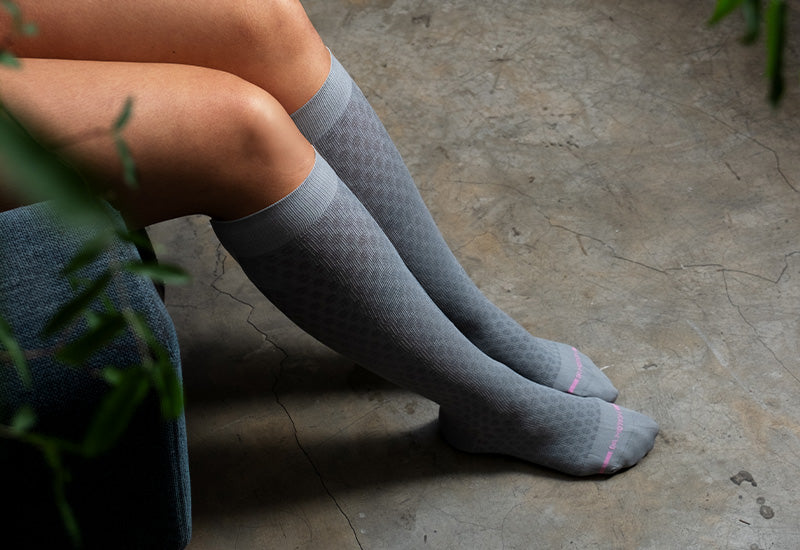
Compression socks offer meaningful, supportive relief. Here is what they contribute:
-
Circulation support: Graduated compression promotes blood flow through the foot, helping to reduce the localized inflammation that tends to concentrate around the metatarsal heads.
-
More even pressure distribution: Rather than allowing force to concentrate on a single point, compression socks for metatarsal pain help spread the load across a broader area of the foot.
-
Reduced end-of-day swelling: Consistent compression through the day limits the fluid buildup in soft tissue that makes pain noticeably worse by evening.
-
Reduced foot movement inside the shoe: A properly fitted compression sock minimizes the micro-shifts that create friction and repetitive stress on already sensitive areas.
-
Sustained comfort during prolonged activity: For professionals who cannot simply rest their feet, this kind of consistent structural support makes a practical difference over the course of a full day.

What Type of Compression Socks Work Best for Metatarsalgia?
Choosing the right pair requires attention to a few specific factors, since not all compression socks are built with forefoot conditions in mind:
-
Compression level: Mild compression socks (8-15 mmHg) are a practical starting point for daily wear, offering circulatory support without excessive tightness. For those dealing with more persistent or pronounced swelling, moderate compression socks (15-20 mmHg) provide a step up in support. Compression above 20-30 mmHg is generally reserved for medical use and should not be self-prescribed.
-
Targeted cushioning: This is perhaps the most important feature for metatarsalgia specifically. Padding in the metatarsal zone absorbs impact directly where the condition causes the most discomfort.
-
Breathable, moisture-managing fabric: Feet that remain dry throughout the day are less prone to skin irritation and blistering, particularly with extended wear. Blends combining nylon, cotton, and spandex tend to perform well in this regard.
-
Smooth toe construction: Seams positioned across the toe box may seem inconsequential, but can cause significant irritation when worn for hours over an already sensitive forefoot.
How to Use Compression Socks Safely for Foot Pain Relief
The benefit of compression socks for metatarsalgia depends as much on how they are worn as on which pair you choose. A few practical guidelines apply here:
-
Wear them early in the day: Swelling in the feet tends to accumulate progressively, so putting compression socks on before it begins offers the greatest preventive benefit.
-
Avoid wearing them overnight: Unless specifically directed by a physician, compression socks should be removed during sleep to allow the foot to rest.
-
Keep daily wear within eight to twelve hours: Particularly for those new to compression wear, building up duration gradually reduces the risk of skin irritation or discomfort.
-
Monitor for warning signs: Numbness, tingling, or visible discoloration in the feet while wearing compression socks warrants immediate removal and medical consultation.

Early Signs and Symptoms of Metatarsalgia You Shouldn't Ignore
Recognizing metatarsalgia in its earlier stages significantly improves the outlook for managing it. Look for the following symptoms:
-
Sharp or persistent aching pain at the ball of the foot, most noticeable during walking or prolonged standing.
-
A burning quality to the pain that tends to intensify with physical activity.
-
Tingling or numbness extending toward the toes, which may indicate involvement of the surrounding nerves.
-
A sensation often described as feeling like a pebble underfoot, even with nothing present in the shoe.
-
Pain that relieves somewhat with rest but returns reliably once weight-bearing resumes.
Managing Metatarsalgia and Knowing When to See a Doctor
Several complementary approaches work alongside compression socks for metatarsal pain. Shoes with a wider toe box, structured arch support, and adequate forefoot cushioning immediately reduce stress on the metatarsal area. Orthotic insoles can further correct pressure distribution for those with structural foot concerns. Deliberate rest after high-impact activity and maintaining a healthy body weight both contribute meaningfully to keeping forefoot load and inflammation in check. Home management, however, has a ceiling. Medical attention becomes necessary when:
-
Pain persists beyond several weeks without improvement despite rest and footwear adjustments.
-
The foot shows visible swelling, redness, or bruising that was not there before.
-
Numbness continues even during periods of non-weight-bearing rest.
-
Normal walking or weight distribution on the affected foot becomes difficult to maintain.
-
A stress fracture cannot be ruled out, as the symptoms can closely overlap with metatarsalgia.

Why Choose Dr. Motion for Metatarsalgia Support
Managing metatarsalgia well requires consistency, and our Crew Length Collection checks every box your foot needs. Every relevant feature is deliberately engineered into this collection.
-
Enhanced Cushion delivers maximum impact protection where the forefoot takes the most punishment.
-
The Smooth Toe Seam uses a flat seam with terry inner lining to eliminate friction over an already sensitive forefoot.
-
TruDry™ Polyester wicking yarns keep feet dry through long wear, and the non-binding cuff supports circulation without restriction.
-
Graduated leg construction keeps the sock in place all day, while dedicated arch and ankle support give your foot the stability it needs to get through without added strain.
Whether you are a healthcare professional on a long shift, someone returning to daily walks, or simply trying to stop foot pain from dictating your schedule, this collection was made for you. Start by exploring our collection today!
Disclaimer: This article provides information solely for educational purposes, including but not limited to text, graphics, images, and other materials contained herein. This article is not intended to substitute for professional medical advice, diagnosis, or treatment. Always seek the advice of your physician or another qualified healthcare provider with any questions you may have regarding a medical condition.

Leave a comment
This site is protected by hCaptcha and the hCaptcha Privacy Policy and Terms of Service apply.