

Flat feet affect millions, yet the daily toll they take on the body often goes unaddressed. Heel pain, aching arches, sore knees, and a general sense of foot fatigue by midday are common complaints, but they are not inevitable. Wearing the right compression socks for flat feet is one of the most practical, accessible steps you can take towards real relief. If you have wondered whether a sock can make that much of a difference, this guide will show you exactly how.

What are Flat Feet and Why Do They Cause Pain
Flat feet, also known as fallen arches, occur when the arch of the foot collapses so that the entire sole rests flat against the ground. This structural difference may be present from birth or develop over time due to aging, weight gain, or repetitive strain on the tendons. The arch is not just an aesthetic feature. It acts as a natural shock absorber and distributes body weight evenly during movement. When the arch is absent, that balance breaks down in several important ways:
-
Uneven pressure distribution leads to soreness in the heels, inner ankles, and the balls of the feet.
-
Overpronation, where the foot rolls inward excessively, places added stress on the knees, hips, and lower back.
-
Muscles and tendons work overtime to compensate for the missing structure, causing chronic fatigue and tightness.
-
Joints absorb far more impact than they are built for, accelerating wear over time.
Common Signs and Symptoms of Flat Feet
Many people live with flat feet for years without a formal diagnosis. These five signs are worth watching for:
1. Arch or Heel Pain
A dull ache along the arch or heel that worsens after long periods of standing, walking, or physical activity can be associated with flat feet.
2. Swelling Along the Inner Ankle
Collapsed arches can place extra strain on the tendons around the inner ankle, sometimes leading to swelling, tenderness, or discomfort.
3. Feet That Fatigue Quickly
If moderate amounts of walking or standing leave your feet feeling exhausted, the surrounding muscles are likely working harder than they should to support a reduced arch.
4. Knee, Hip, or Lower Back Pain
Flat feet may affect body alignment and walking mechanics, which can contribute to discomfort in the knees, hips, and lower back that many people never connect to their feet.
5. Uneven Shoe Wear
Excessive wear along the inner edge of your shoes may indicate inward rolling of the feet, a movement pattern commonly linked with flat feet.

Benefits of Compression Socks for Flat Feet
Compression socks are designed to provide support and comfort for some of the common discomforts associated with flat feet. Here is how they deliver results:
-
Targeted compression around the arch and surrounding areas helps create a more supported feel during daily movement, particularly for people who spend long hours on their feet.
-
Many support socks for flat feet feature reinforced arch zones that offer gentle structure and help the foot feel more stable inside the shoe.
-
Consistent compression may help reduce feelings of soreness, heaviness, and foot fatigue that often develop after extended activity.
-
Some compression socks also provide mild ankle support, which may help limit excessive inward rolling associated with overpronation.
When and How Long Should You Wear Compression Socks for Flat Feet?
Timing and duration play a big role in how effective your compression socks will be. Here is a practical framework to follow:
-
Put them on first thing in the morning. Flat feet begin compensating from your very first step, so arch support should be in place before strain has a chance to build.
-
Wear them through your most demanding hours. Work, errands, exercise: these are when flat feet are under the most structural stress and need the most support.
-
Keep them on during long periods of standing or walking. This is when arch fatigue and heel soreness accumulate fastest, so resist the urge to take them off mid-day.
-
Take them off before bed. When you are off your feet, your muscles and tendons rest naturally. Overnight wear is unnecessary.
-
Be consistent. Daily use delivers far better results than sporadic wear.
How to Choose the Best Compression Socks for Flat Feet
The right pair does considerably more than the wrong one. Keep these factors in mind when making your selection:
-
Arch support construction: Prioritize socks with a reinforced arch band or dedicated support panel. This feature directly addresses what flat feet need most.
-
Cushioning: Look for socks with reinforced padding at the heel and toe. Since flat feet lack a natural arch to absorb shock, extra cushioning in these areas helps reduce the impact of every step.
-
Fabric: Opt for moisture-wicking materials such as nylon or cotton blends to stay dry and comfortable during extended wear.
-
Fit: Follow the brand's chart based on shoe size and calf circumference. A well-fitted sock delivers even, effective compression throughout the day.
When Compression Socks are Not Enough
Here are situations where additional intervention is worth considering:
-
Severe structural misalignment may call for custom orthotics or motion-control footwear, recommended by a podiatrist alongside your compression socks.
-
Persistent or worsening pain despite consistent use warrants a professional evaluation, as conditions like plantar fasciitis or tarsal tunnel syndrome may be involved.
-
Physical therapy exercises targeting the calves, Achilles tendon, and the small muscles of the foot complement the support that socks provide.

Find Your Perfect Pair of Compression Socks at Dr. Motion
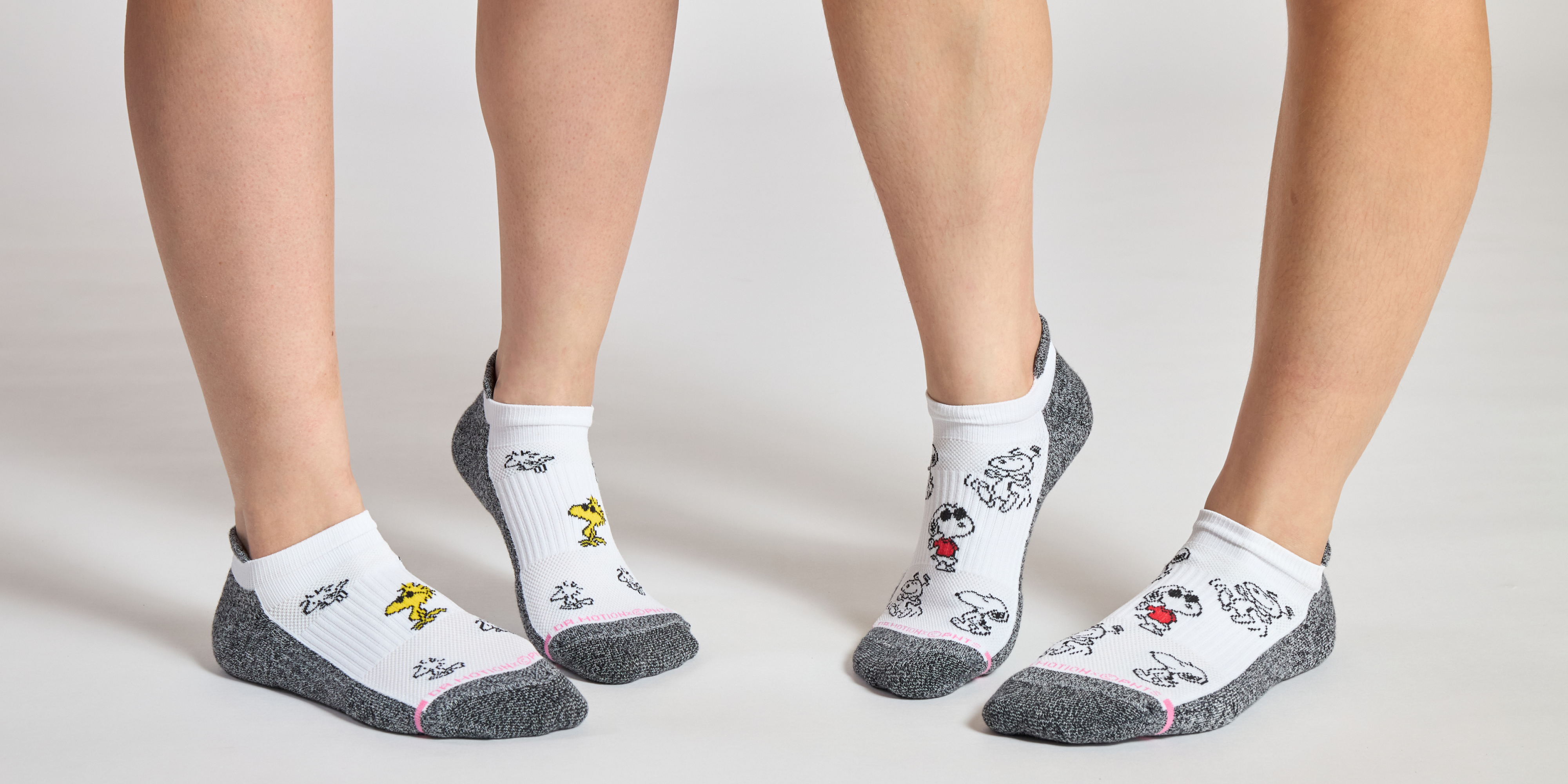
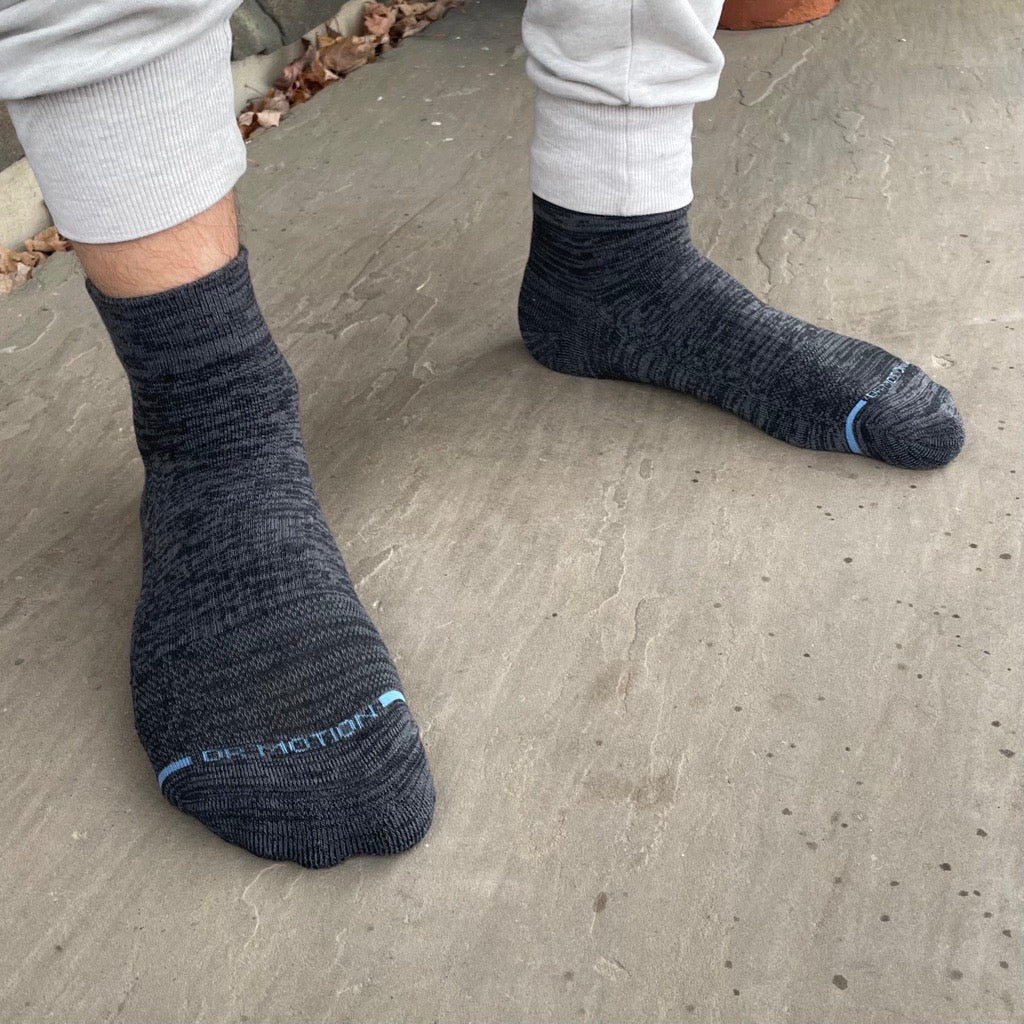
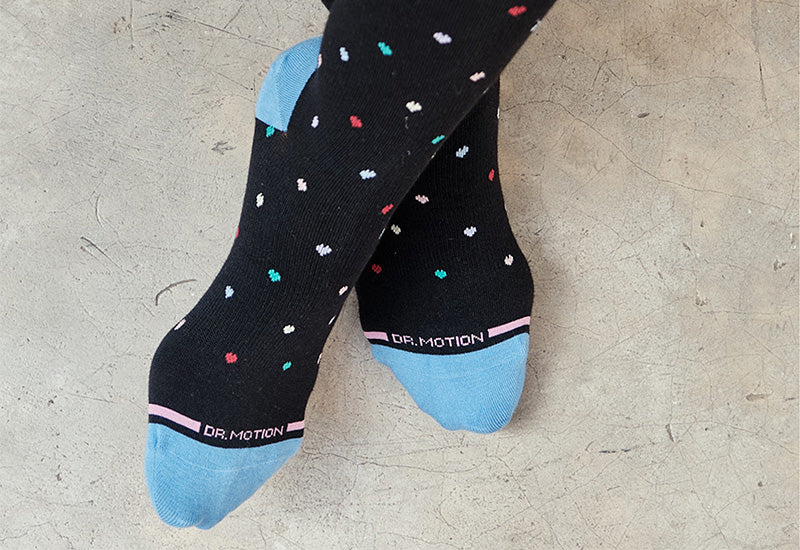
Flat feet do not have to define how your day feels. With the right pair of socks, the fatigue and aching that once followed you from morning to night become something you can genuinely manage. That is exactly what our Ankle and Quarter Compression sock collections are built for. We have engineered them with dynamic arch support, enhanced cushioning, and a full 360-degree compression body that holds its shape. The result is a sock that delivers genuine support without sacrificing comfort.
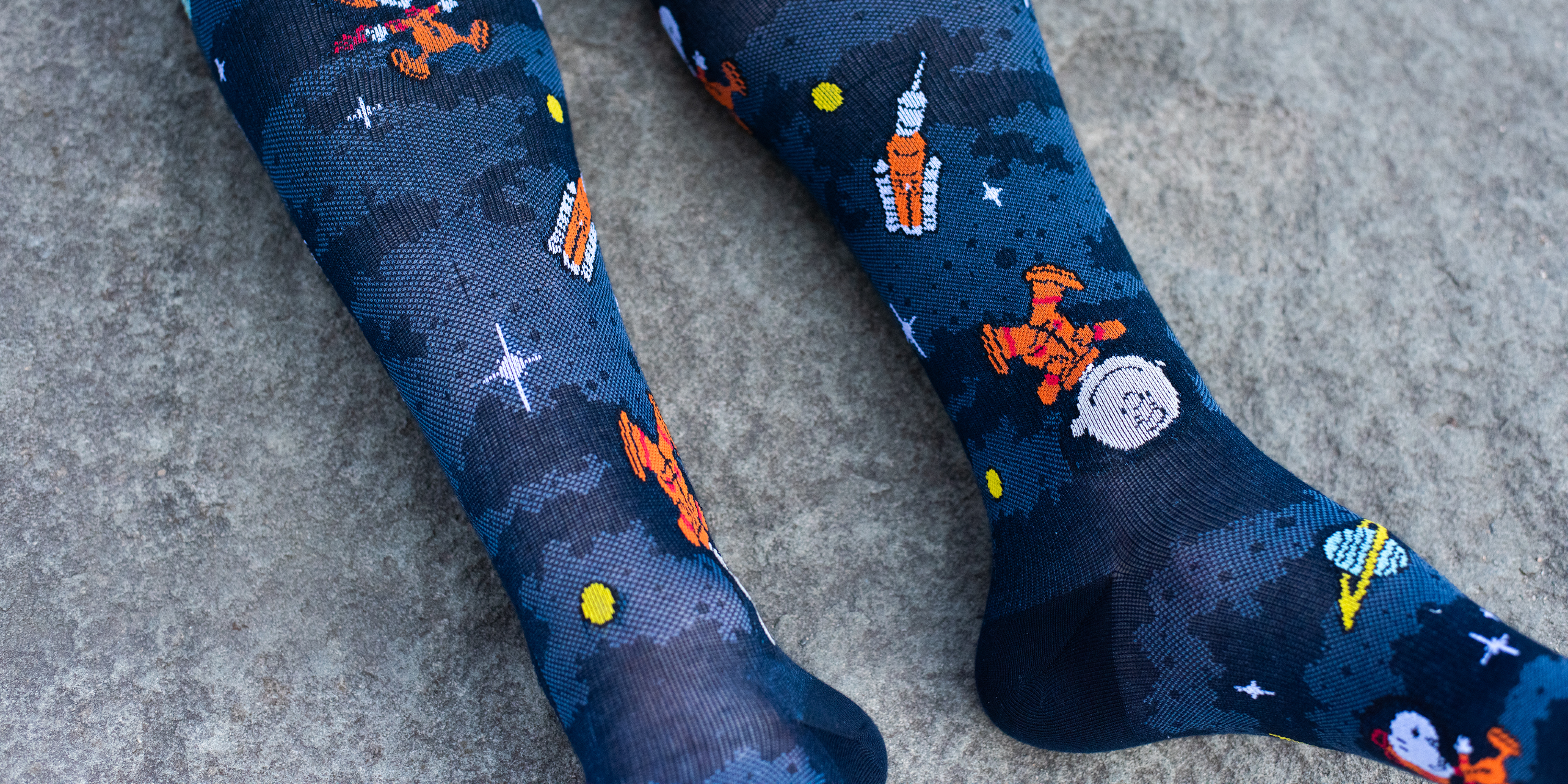
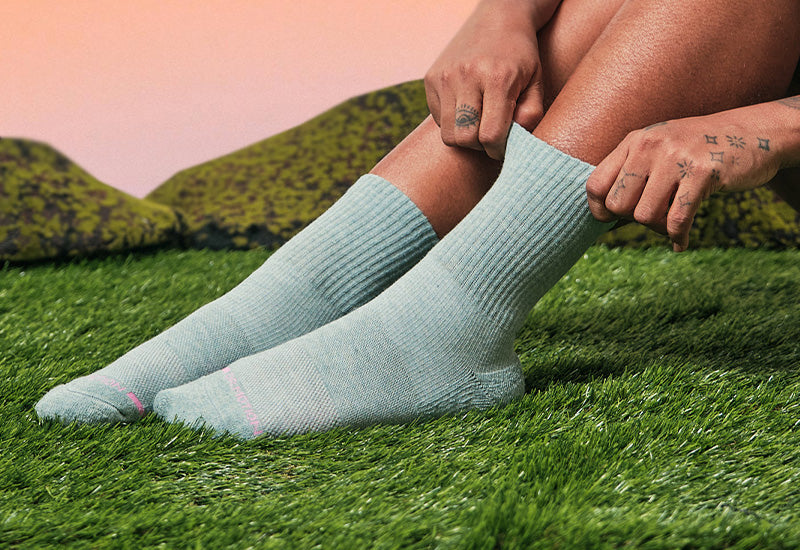
Our collection is also designed for everyday wear. You will find thoughtfully designed compression socks for women and men in styles that transition from work to daily wear without missing a beat. These options can dispel the assumption that effective socks have to feel clinical or look unflattering. Explore the full collection and find the pair that fits your life. Your feet will feel the difference from day one.
Disclaimer: This article provides information solely for educational purposes, including but not limited to text, graphics, images, and other materials contained herein. This article is not intended to substitute for professional medical advice, diagnosis, or treatment. Always seek the advice of your physician or another qualified healthcare provider with any questions you may have regarding a medical condition.

Leave a comment
This site is protected by hCaptcha and the hCaptcha Privacy Policy and Terms of Service apply.