

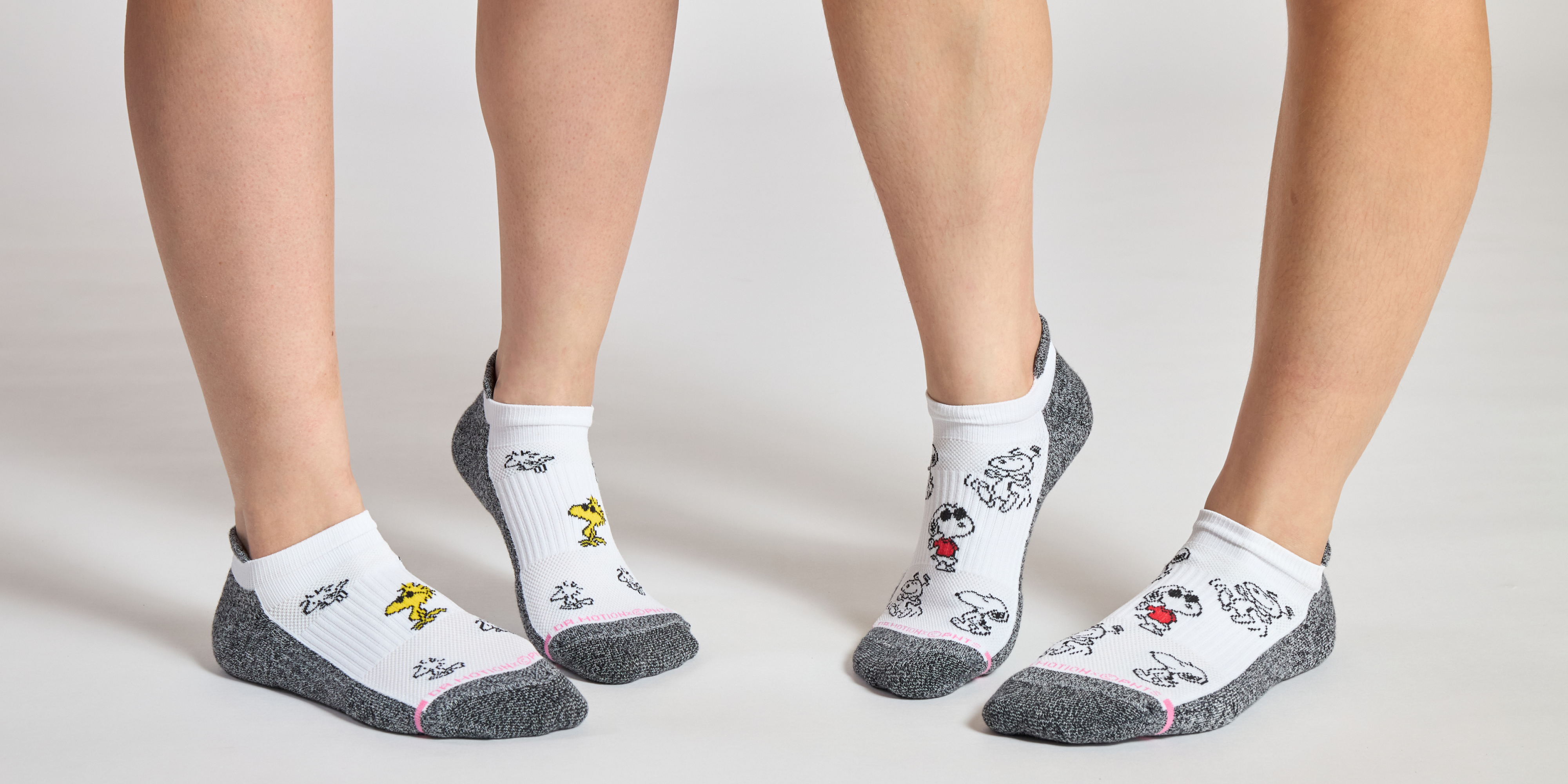
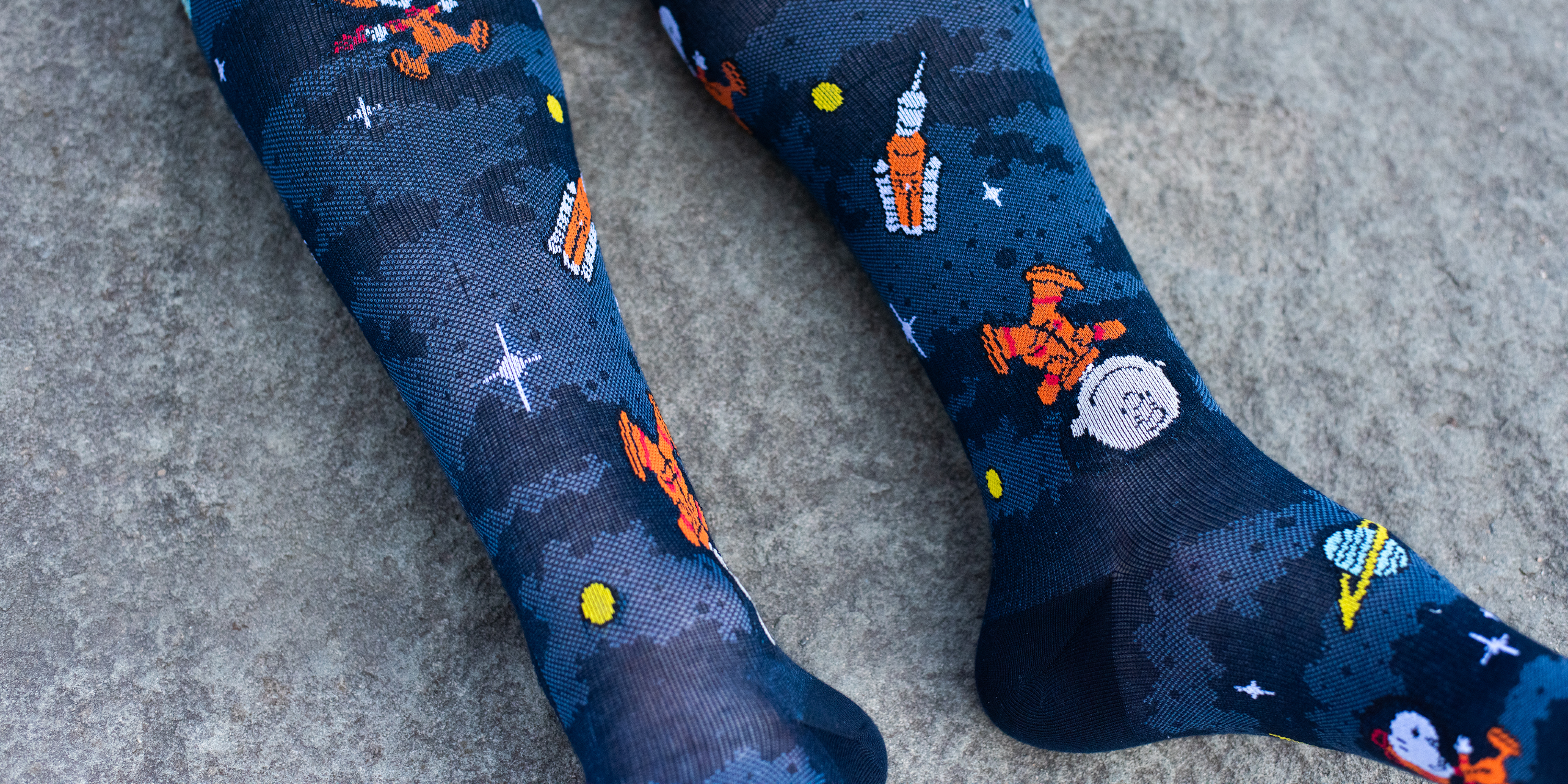

Tarsal tunnel syndrome is a nerve-related condition that affects the inner ankle and foot. For many people living with this condition, symptoms tend to fluctuate with activity. A full day on the feet may increase discomfort along the inner ankle or sole, while rest brings partial relief. This pattern often raises practical questions about daily support.
This is where compression socks for tarsal tunnel syndrome are often considered. Some people look to compression for added comfort during daily activity, while others worry that pressure around an already irritated nerve could aggravate symptoms. Understanding whether compression is beneficial begins with a clear examination of how tarsal tunnel syndrome behaves and how the body responds to pressure and movement.

What Is Tarsal Tunnel Syndrome (TTS): Causes and Symptoms
Tarsal tunnel syndrome occurs when the posterior tibial nerve becomes compressed as it passes through the tarsal tunnel, a narrow space on the inner side of the ankle formed by bone and connective tissue. Because this space is naturally tight, changes within or around it can increase pressure on the nerve.
Common contributors include flat feet, ankle injuries, inflammation related to arthritis, ganglion cysts, varicose veins within the tunnel, or repetitive stress from prolonged standing or walking. Certain medical conditions associated with fluid retention may influence symptom patterns in some individuals, which is why compression socks for tarsal tunnel are sometimes considered for daily support, even though swelling is not present in every case.
Symptoms often include burning sensations, tingling, numbness, or shooting pain along the inner ankle, heel, or sole of the foot. Many people notice symptoms becoming more pronounced during long workdays or after extended activity. Unlike ordinary foot fatigue, nerve-related discomfort may linger even after rest.
How Compression Socks May Help: Practical Benefits for TTS
Compression socks work by applying gentle, graduated pressure around the ankle and lower leg. This pressure supports circulation and helps manage fluid movement in the lower limbs during daily activity.
-
For people exploring tarsal tunnel compression socks, the potential benefit lies in how compression supports overall comfort rather than how it affects the nerve itself. By encouraging circulation during long periods of standing or sitting, compression socks may reduce sensations such as heaviness or tightness around the ankle and foot.
-
As a result, some individuals find that wearing compression socks for tarsal tunnel syndrome makes prolonged walking or standing feel more manageable during the day. This reflects functional comfort rather than nerve correction.
Note: It helps to understand how tarsal tunnel syndrome develops. When symptoms are driven by swelling or activity-related pressure, compression can ease how the area feels during movement. However, when the nerve is physically compressed by a bone spur, cyst, or enlarged vein inside the tunnel, external compression cannot change that structure. In such cases, tarsal tunnel syndrome compression socks may reduce discomfort, but they cannot address the source of nerve pressure itself.

How Compression Socks Fit into Standard TTS Care
Compression socks should not replace standard care for tarsal tunnel syndrome. Instead, they are best used alongside conservative approaches recommended by healthcare professionals.
-
Management strategies often include rest, activity modification, supportive footwear, and physical therapy focused on foot mechanics and ankle stability.
-
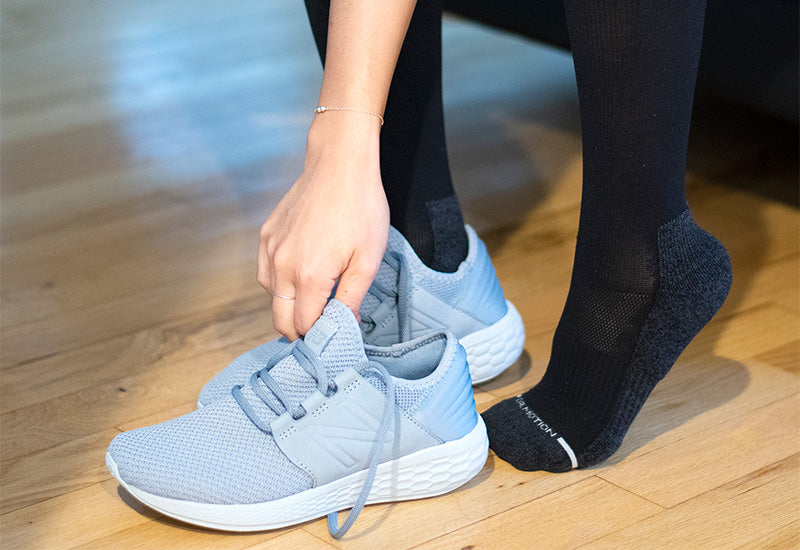
For individuals who already rely on orthotics or supportive shoes, compression socks can be worn during active hours without interfering with footwear when properly fitted.
-
Some people choose to alternate compression use depending on their schedule, wearing them during work or while commuting, and removing them during rest. For example, professionals from the hospitality industry may explore compression socks for restaurant worker as part of a broader symptom-management routine.
When and How to Use Compression Socks for TTS
Timing and comfort matter more than continuous wear.
-
Many people find compression socks for tarsal tunnel most helpful during prolonged standing, walking, or travel, when discomfort tends to build gradually.
-
Mild to moderate compression is commonly preferred for nerve-related conditions, as it provides support without excessive pressure. Knee-high styles are not required for everyone. Some individuals prefer ankle compression socks when footwear space is limited or when full-leg compression feels unnecessary.
-
Monitoring symptom response is essential. Compression should feel supportive throughout wear. Socks should be removed daily, and skin should be checked regularly.
Compression works best when combined with supportive footwear, pacing activity, and allowing regular rest.
Risks, Limits, and When Compression Is Not Enough
Compression socks are generally well tolerated, but they are not suitable for everyone.
-
Fit and pressure level matter. Socks that feel overly tight can increase discomfort, particularly for individuals with heightened nerve sensitivity.
-
People with peripheral artery disease, significant circulation disorders, or uncontrolled diabetes should consult a healthcare professional before using compression.
-
If tingling, numbness, or pain increase while wearing compression socks for the tarsal tunnel, use should be discontinued.
Important Note: Compression socks alone are not sufficient when symptoms are worsening, persistent, or associated with weakness or balance issues. In such cases, symptom relief should not delay further medical evaluation, as structural causes may require targeted treatment.

Why Dr. Motion Works Well for Tarsal Tunnel Comfort
We design our Everyday Compression™ Collection with a focus on comfort-driven support rather than rigid medical pressure. We understand that when someone is managing ongoing foot sensitivity, especially around the ankle, support needs to feel steady and wearable. Excessive tightness can do more harm than good, which is why balance is central to our approach.
For this, we have options that include mild as well as moderate graduated compression to help support circulation while still allowing natural foot and ankle movement. Our socks are made with breathable fabrics and flexible construction so they can be worn comfortably during long hours of standing or walking, without creating a restrictive or overly compressed feel. Additionally, we pay close attention to details that affect daily comfort. Cushioned footbeds and smooth seams help reduce friction around the foot and ankle, areas that can feel especially sensitive for people experiencing tarsal tunnel symptoms.
For those considering men’s and women’s compression socks for tarsal tunnel syndrome, this emphasis on comfort supports more consistent, long-term use. Our goal is to help people manage daily comfort with realistic expectations, while providing reliable, functional compression they can actually wear day after day.
Disclaimer: This article provides information solely for educational purposes, including but not limited to text, graphics, images, and other materials contained herein. This article is not intended to substitute for professional medical advice, diagnosis, or treatment. Always seek the advice of your physician or another qualified healthcare provider with any questions you may have regarding a medical condition.


Leave a comment
This site is protected by hCaptcha and the hCaptcha Privacy Policy and Terms of Service apply.