

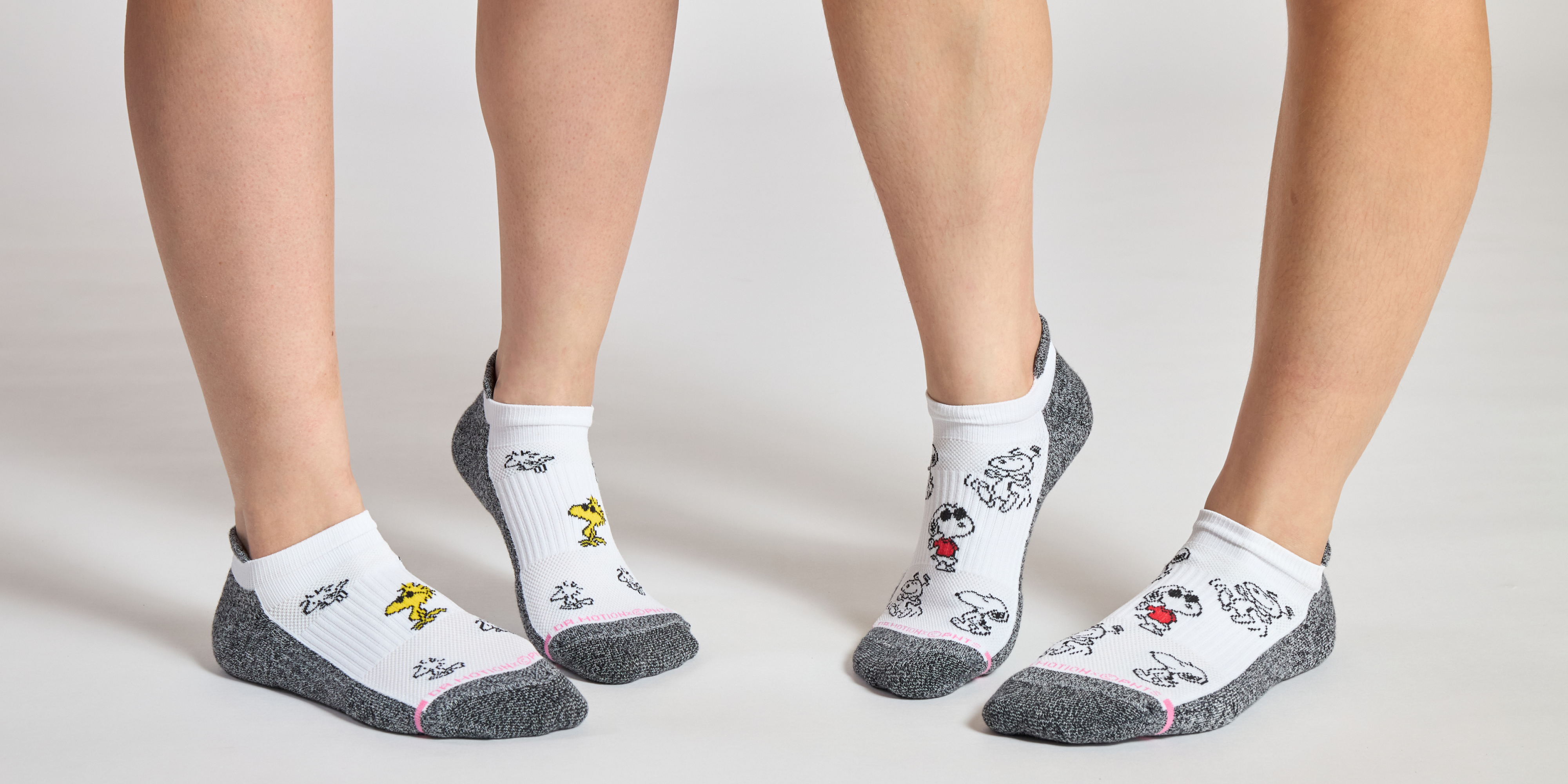
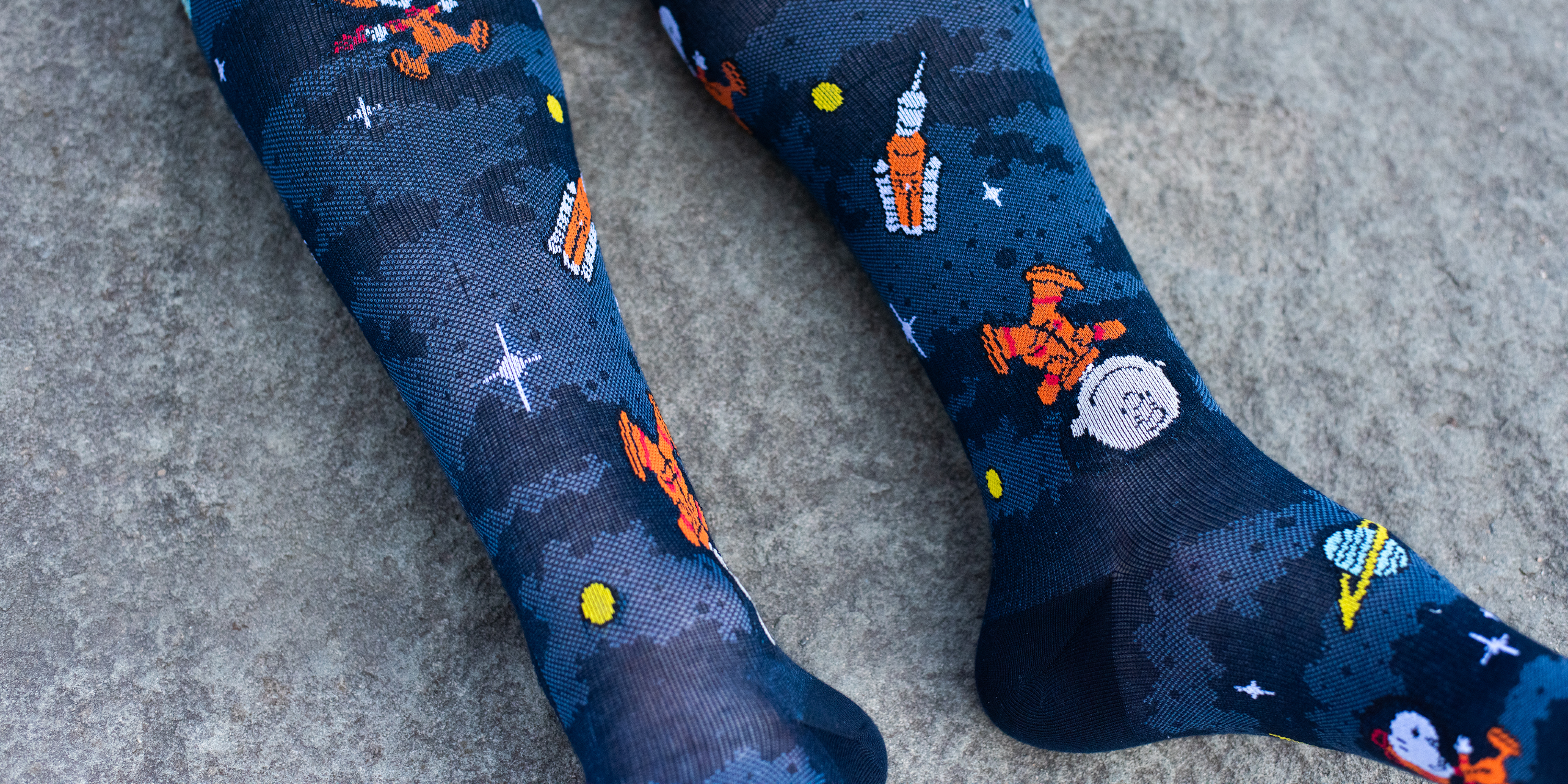
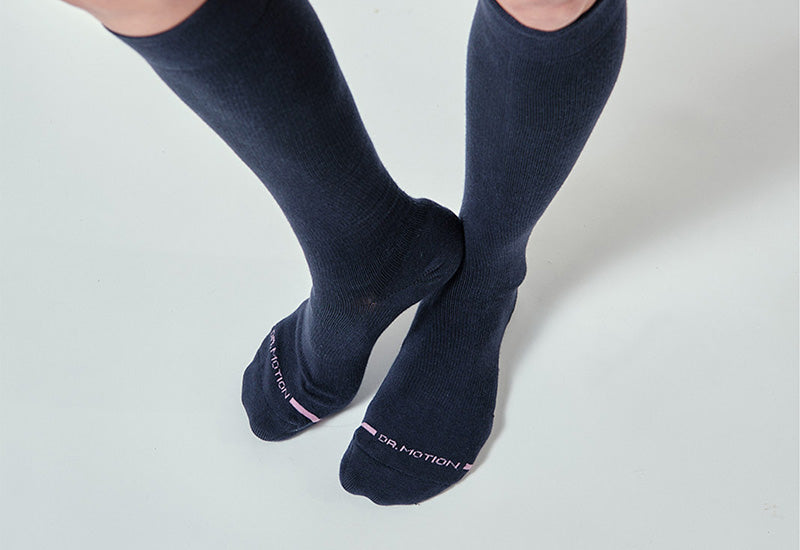
Living with lupus often means adjusting to a body that changes from day to day. Some days feel steady and manageable, while others bring fatigue, stiffness, or swelling that makes simple movement feel heavier than usual. Among the many symptoms people navigate, leg discomfort and swelling can become part of daily life for some individuals, particularly during long hours of sitting, standing, or reduced activity. As a result, compression socks for lupus are widely discussed as a supportive option. This guide covers when compression may help, how it works, and how to use it safely.

What Lupus Does to the Body and How It Can Affect the Legs
Lupus is an autoimmune condition in which the immune system mistakenly attacks healthy tissues. This immune response leads to inflammation that can affect joints, skin, blood vessels, kidneys, and connective tissue. Because lupus is systemic, symptoms may appear differently from person to person and can change over time.
For some individuals, the legs are an area where discomfort becomes noticeable. The lower limbs are affected by gravity, circulation, and movement. Blood and fluid must travel upward from the legs toward the heart, and when inflammation, reduced mobility, or fluid imbalance interferes with that process, swelling may appear around the ankles, calves, or feet.
Fatigue also plays a role. Lupus-related exhaustion can limit movement, especially during flare periods. When muscles are less active, the natural pumping action that supports circulation slows down, which may contribute to heaviness by the end of the day. This combination of factors explains why compression socks for lupus are often explored as part of daily comfort strategies.
Why Leg Swelling Can Be More Complex in Lupus
While circulation and movement help explain how leg discomfort appears, they do not fully explain why swelling behaves unpredictably in lupus. Leg swelling in lupus rarely stems from a single cause and often reflects deeper systemic factors.
-
Kidney involvement can affect how the body manages fluid and protein balance, allowing excess fluid to remain in circulation rather than being properly regulated. Medications, particularly steroids used to control inflammation, may also contribute to fluid retention over time. Inflammation affecting blood vessels can further alter how efficiently blood and fluid move through the lower limbs.
-
Reduced activity during flares compounds these internal factors. Pain and fatigue limit movement, weakening the muscle activity that normally supports circulation. Because these contributors overlap and vary from person to person, swelling in lupus can fluctuate even when daily habits remain the same.

Can Compression Socks Help with Lupus? The Science in Simple Words
Compression socks apply graduated pressure to the legs, with firmer support around the ankle that gradually eases upward. This structure helps guide blood and fluid movement rather than allowing it to settle in the lower limbs during prolonged sitting or standing.
For people living with lupus, compression does not influence immune activity or prevent flares. When leg discomfort or swelling is influenced by gravity, reduced movement, or long periods of inactivity, compression may help manage how heavy or tight the legs feel during the day. This is why the benefits of compression socks for lupus are most often described in terms of comfort rather than medical outcomes. Results vary depending on symptom patterns and consistency of use, but compression remains a commonly chosen support option.
Day-to-Day Benefits of Compression Socks for Lupus
In this context, compression socks for lupus are commonly used in specific situations where leg discomfort tends to increase.
-
During long workdays that involve extended sitting or standing, compression can help manage the pressure that builds up in the lower legs by evening.
-
For standing roles, compression may offer a sense of support when joints feel stiff or legs feel fatigued. During long journeys, wearing compression feels like a practical option.
-
Light daily movement, such as short walks or household tasks, may also feel easier with compression on certain days.

How to Wear Compression Socks Safely if You Have Lupus
Using compression safely is especially important with a condition that fluctuates as much as lupus.
-
Many people begin with mild compression socks to understand how their body responds. Gentle pressure is often preferred for everyday use.
-
Fit is essential. Compression socks should feel snug but never painful. Signs such as numbness, tingling, color changes, or increased discomfort mean the socks should be removed immediately.
-
Timing also matters. Compression is usually worn during the day and removed at night. Putting socks on in the morning, before swelling develops, often improves comfort.
-
Skin sensitivity is another consideration. Lupus can make skin more reactive, so checking for irritation or pressure marks is important. Compression should not be worn over open sores, rashes, or inflamed skin.
Some individuals may explore moderate compression socks under medical guidance, especially if swelling is persistent.
When Should You Speak With a Doctor
Compression socks are widely used as a comfort aid, but certain situations require medical input. Sudden swelling, worsening pain, warmth, redness, or breathing difficulty should always be evaluated by a healthcare professional.
People with kidney involvement, vascular conditions, nerve sensitivity, or heart-related concerns should discuss compression use with their doctor. A medical professional can help determine whether compression is appropriate and which level of support is suitable.
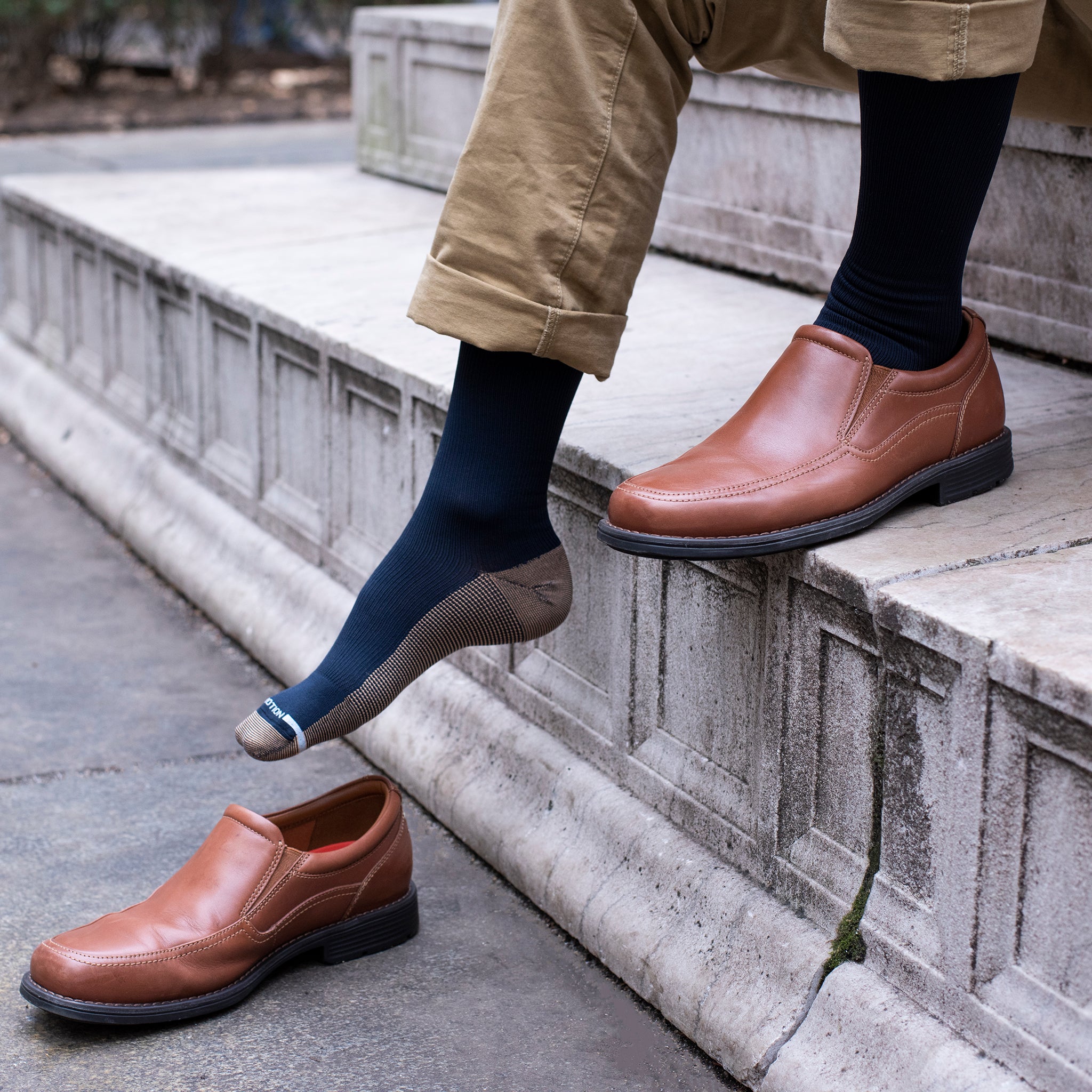
Why Dr. Motion Is a Smart Choice for Lupus-Friendly Compression
We approach compression as everyday support rather than a clinical solution. Comfort-focused design details play an important role in how our compression socks feel during long hours of wear.
-
A non-binding comfort top helps the socks stay in place without digging into the skin, supporting a secure fit without added pressure.
-
Dynamic arch support adds gentle structure underfoot, offering better stability during daily movement when fatigue or joint discomfort affects balance.
-
Cushioned heels and toes help absorb everyday impact, reducing strain on areas that often feel sore or overworked.
-
Material choice also matters for lupus-friendly wear. Breathable microfiber blends help manage moisture and reduce overheating.
-
Smooth, reinforced toes minimize seam irritation and friction during extended use.
For those looking for compression socks for women and men that fit naturally into everyday routines, our designs focus on softness, flexibility, and wearability. Used thoughtfully alongside proper medical care, our compression socks can become a supportive part of daily life.
Disclaimer: This article provides information solely for educational purposes, including but not limited to text, graphics, images, and other materials contained herein. This article is not intended to substitute for professional medical advice, diagnosis, or treatment. Always seek the advice of your physician or another qualified healthcare provider with any questions you may have regarding a medical condition.



Leave a comment
This site is protected by hCaptcha and the hCaptcha Privacy Policy and Terms of Service apply.