


Compression Socks for Fibromyalgia: Do They Really Make a Difference?
Fibromyalgia can make everyday comfort feel out of reach. People living with this chronic pain disorder often describe aching muscles, deep fatigue, and legs that feel heavy or restless. While there is no single treatment that cures fibromyalgia, small lifestyle tools can make a genuine difference in daily comfort. Compression socks, in particular, are designed to support circulation and reduce leg fatigue, offering subtle relief during the day. This guide takes a closer look at how compression socks for fibromyalgia fit into daily care, what they can (and can’t) do, and how to find the right pair for everyday ease.

What is Fibromyalgia and How Does It Affect the Body?
Fibromyalgia is a chronic pain condition rooted in how the central nervous system processes pain signals. It causes the brain and spinal cord to amplify normal pain sensations, making people feel pain more intensely, even without tissue or joint damage. Typical symptoms include:
-
Widespread muscle pain and tenderness that can move from one area to another.
-
Persistent fatigue that doesn’t improve with rest.
-
“Fibro fog,” a term for the memory and concentration problems that accompany the condition.
-
Sleep disturbances, such as difficulty falling asleep or non-restorative sleep.
Fibromyalgia affects an estimated 2–4% of the population, and it’s far more common in women than in men. Although fibromyalgia doesn’t typically cause visible swelling, the legs and feet can feel heavy, achy, or restless, especially after long hours of standing or during the night. These sensations can make walking, exercising, or even sitting for extended periods uncomfortable.
Fibromyalgia Compression Socks: A Solution for Pain Relief
Compression socks for fibromyalgia aren’t a treatment for the condition itself, but they can help address some of the secondary leg and circulation challenges associated with it. Here’s how they can make a noticeable difference and why many people find compression socks and fibromyalgia to be a surprisingly good pairing for daily comfort:
-
Improve leg circulation to reduce swelling and heaviness
Graduated compression socks apply gentle pressure at the ankle that gradually decreases up the leg, helping blood flow back toward the heart. This can ease mild swelling and feelings of heaviness caused by prolonged standing or sitting, or by venous congestion.
-
Boost leg endurance during daily routines
By keeping blood moving and muscles supported, compression socks can help legs feel less tired during long hours of sitting, standing, or commuting.
-
Support restless or tingling sensations
Some people with fibromyalgia also experience tingling or restless legs. While compression won’t treat neuropathy, the gentle pressure may provide sensory feedback that helps calm these sensations and support relaxation, especially in those with mild restless leg symptoms.
-
Enhance comfort during gentle activity
Light exercise, such as walking, stretching, or yoga, is often recommended for fibromyalgia management. Wearing compression socks during these activities can support circulation and help muscles recover more easily afterwards.
Note: Compression socks cannot alleviate widespread pain, fatigue, or cognitive symptoms such as fibro fog. Their benefits are localized to the legs and feet.
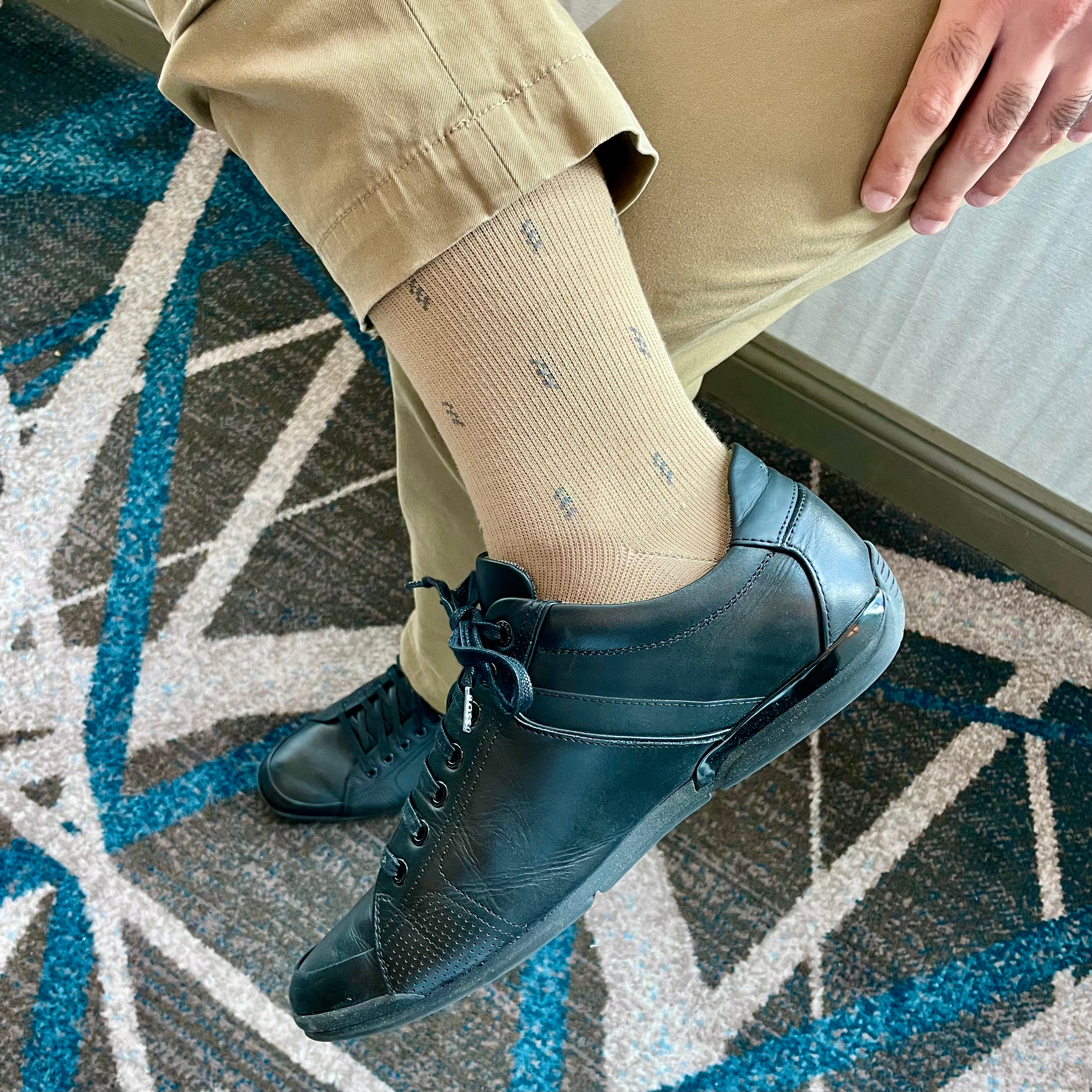
Choosing the Right Fibromyalgia Compression Socks for Everyday Comfort
A few thoughtful details can ensure your fibromyalgia compression socks provide comfort and support without feeling restrictive.
-
Compression level
Select graduated compression socks in the moderate range (15–20 mmHg) that promote healthy circulation without feeling restrictive. Higher levels (20–30 mmHg or above) should only be used under a clinician’s guidance.
-
Length
Choose a style that matches your needs. Crew or calf-length options are great for everyday use, while knee-high compression socks offer optimal leg support and help prevent swelling that extends above the ankle.
-
Material
Look for breathable, moisture-wicking fabrics that combine elasticity with softness. Nylon-spandex blends or microfibers are ideal for maintaining compression while keeping skin comfortable.
-
Ease of use
Compression socks should be snug but manageable to put on and remove. If mobility or grip strength is a concern, opt for pairs with reinforced cuffs or stretch panels that simplify dressing.

How to Use Compression Socks Safely and Effectively?
Here’s how to get the most from them while keeping safety in mind:
-
Start gradually: Begin by wearing them for a few hours a day, then increase duration as your legs adjust.
-
Wear them during activity or extended sitting: They’re most effective when circulation might slow, such as while working at a desk, traveling, or standing for long periods.
-
Remove them before bed: Unless directed by a clinician, compression socks should not be worn overnight. Legs benefit from rest and unrestricted blood flow while sleeping.
-
Check your skin: Watch for redness, itching, or irritation. Well-fitted socks should never cause discomfort or leave deep marks.
-
Wash regularly: Keeping your socks clean helps maintain elasticity and prevents skin irritation.
When to Talk to Your Doctor About Fibromyalgia?
Compression socks for fibromyalgia are safe for most people. However, seek advice from a healthcare provider if you experience any of the following:
-
Persistent swelling or pain that does not improve with rest.
-
Sudden redness, warmth, or tenderness in one leg. This could signal a blood clot that requires immediate attention.
-
New neurological symptoms such as numbness, tingling, or burning sensations.
-
Severe discomfort while wearing compression socks may indicate an incorrect size or compression level.

The Dr. Motion Difference: Intelligent Design for Everyday Wellness
At Dr. Motion, we believe wellness should feel effortless. Each pair promotes healthy blood flow from the ankles upward, helping legs feel lighter and more supported throughout the day. But it’s the details that set us apart:
-
Non-binding comfort top in our knee-high compression socks ensures a gentle, stay-up fit.
-
Smooth, reinforced toe enhances durability while keeping seams irritation-free.
-
Enhanced cushioning provides maximum impact protection and day-long comfort.
-
Dynamic arch support improves stability and balance with every step.
-
TruDry™ and microfiber nylon blend wicks away moisture to keep feet cool and dry.
-
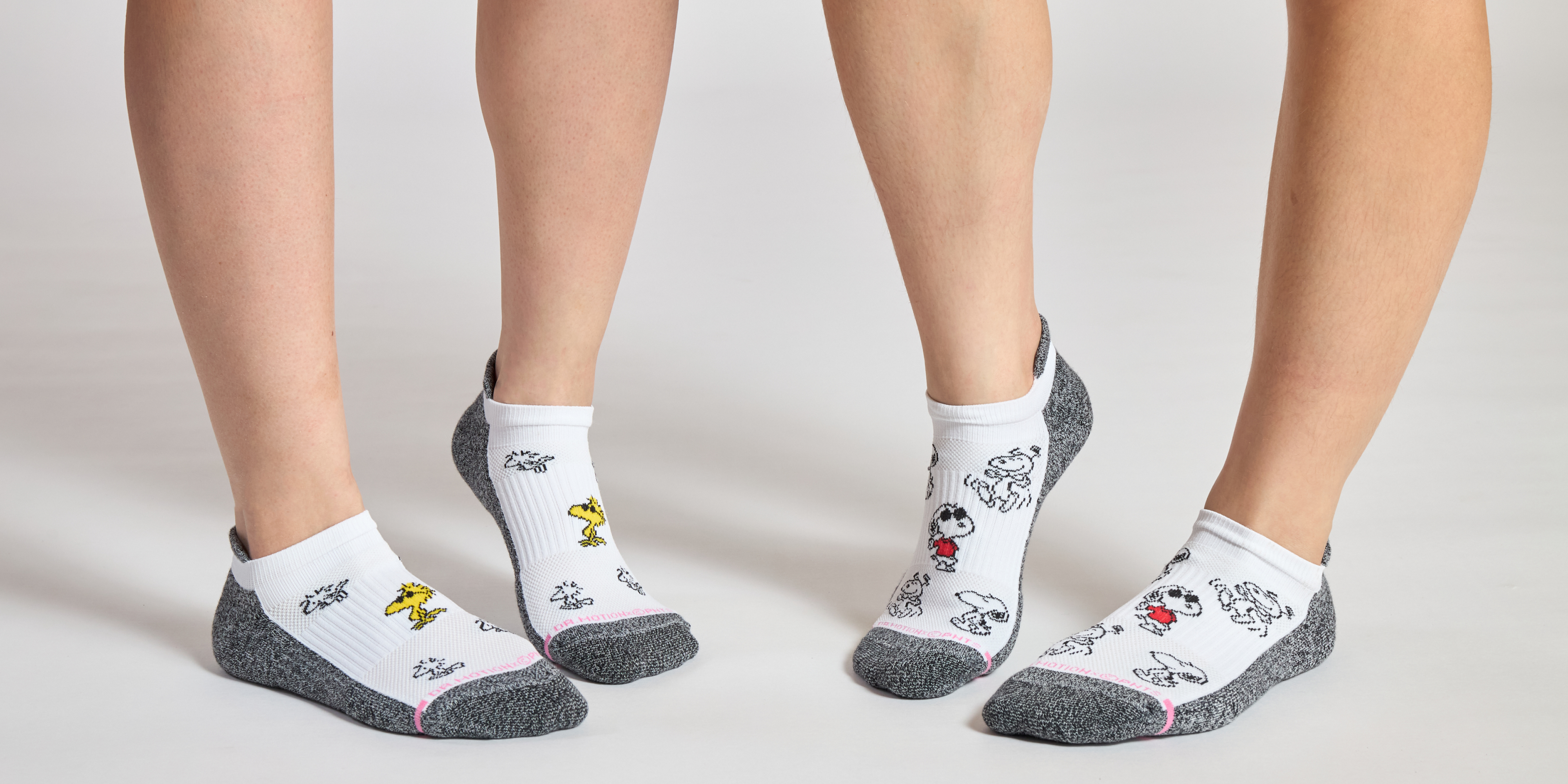
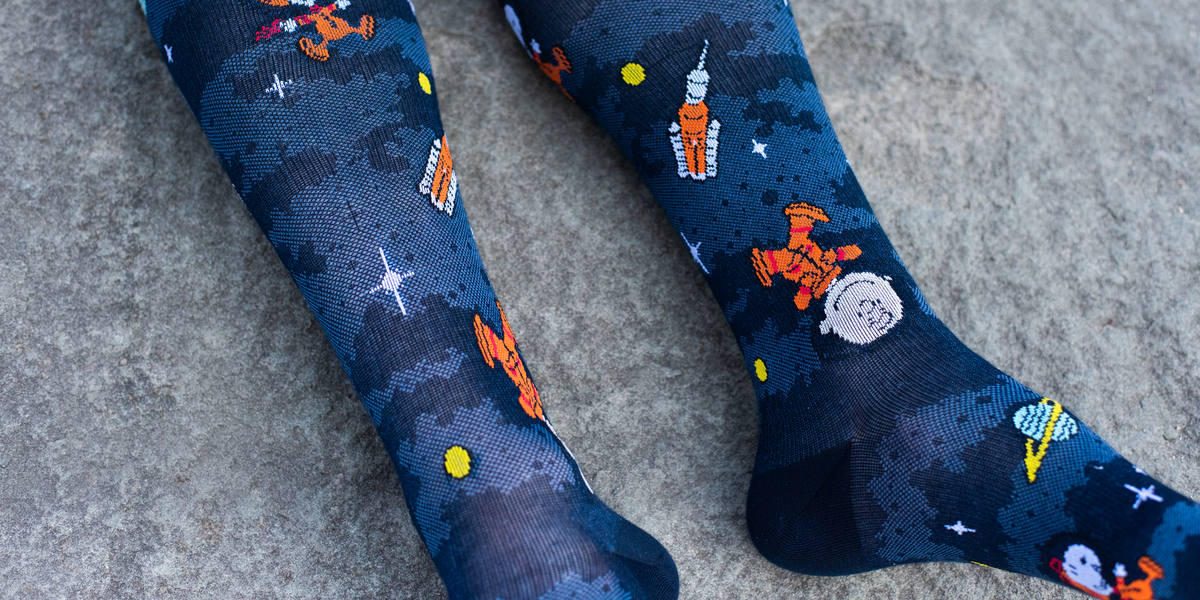
And beyond function, our modern, stylish patterns bring a touch of style to everyday wellness.
These thoughtfully incorporated features bring everyday ease and balance to your daily routine. Explore our collection and find the best pair for you today!
Disclaimer: This article provides information solely for educational purposes, including but not limited to text, graphics, images, and other materials contained herein. This article is not intended to substitute for professional medical advice, diagnosis, or treatment. Always seek the advice of your physician or another qualified healthcare provider with any questions you may have regarding a medical condition.


Read more
Stay Comfortable on Shift with Compression Socks: A Guide for Chefs and Servers
In this guide, we’ll explore how compression socks can provide relief for those in the restaurant industry and offer tips on how to choose the best pair to enhance comfort throughout your shifts.
Read more
Compression Socks for Flight Attendants: Why They’re Essential
Here’s how compression stockings for flight attendants help, why they’re worth using, and how to choose the best kind for you.
Read more