

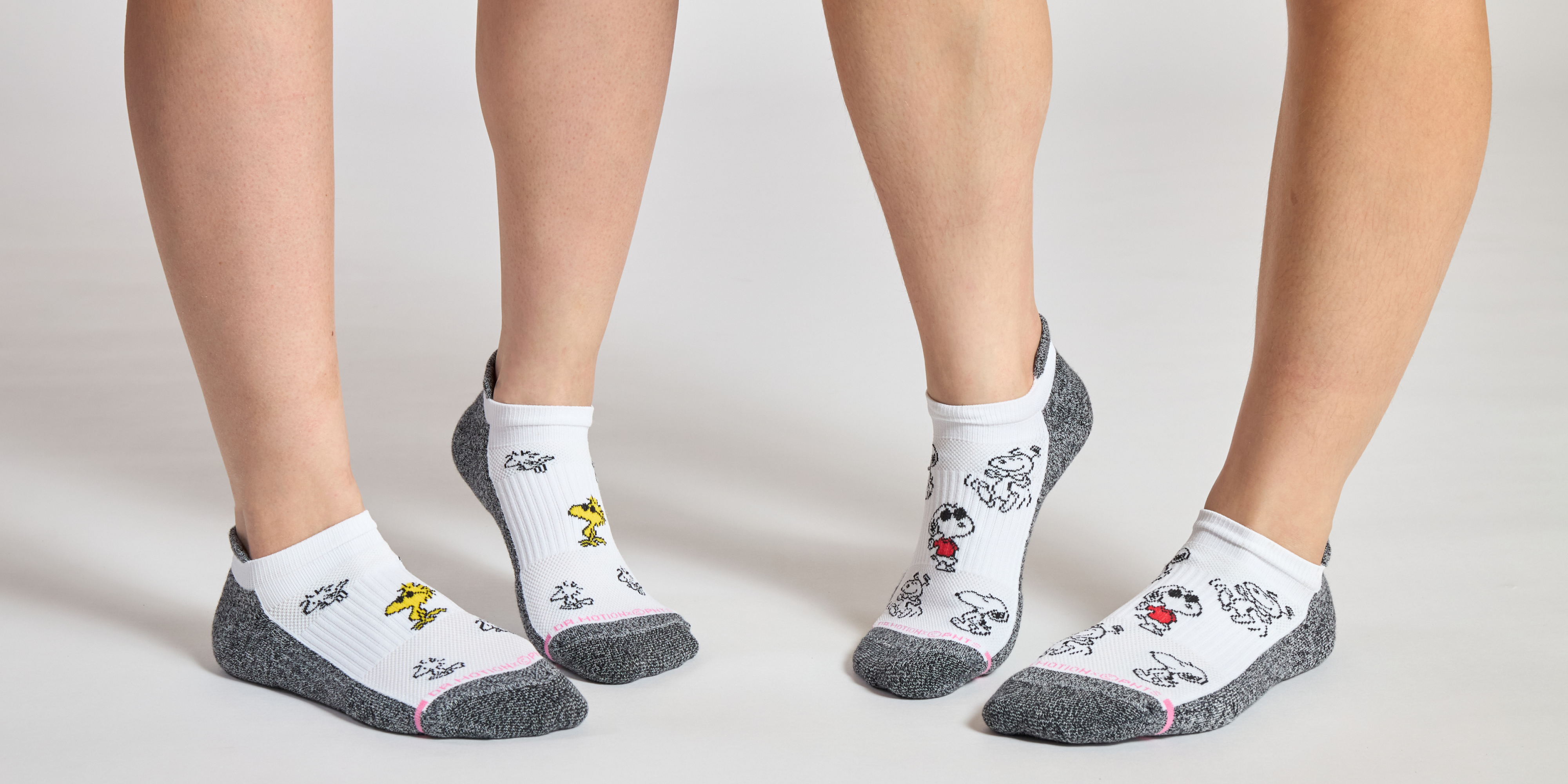
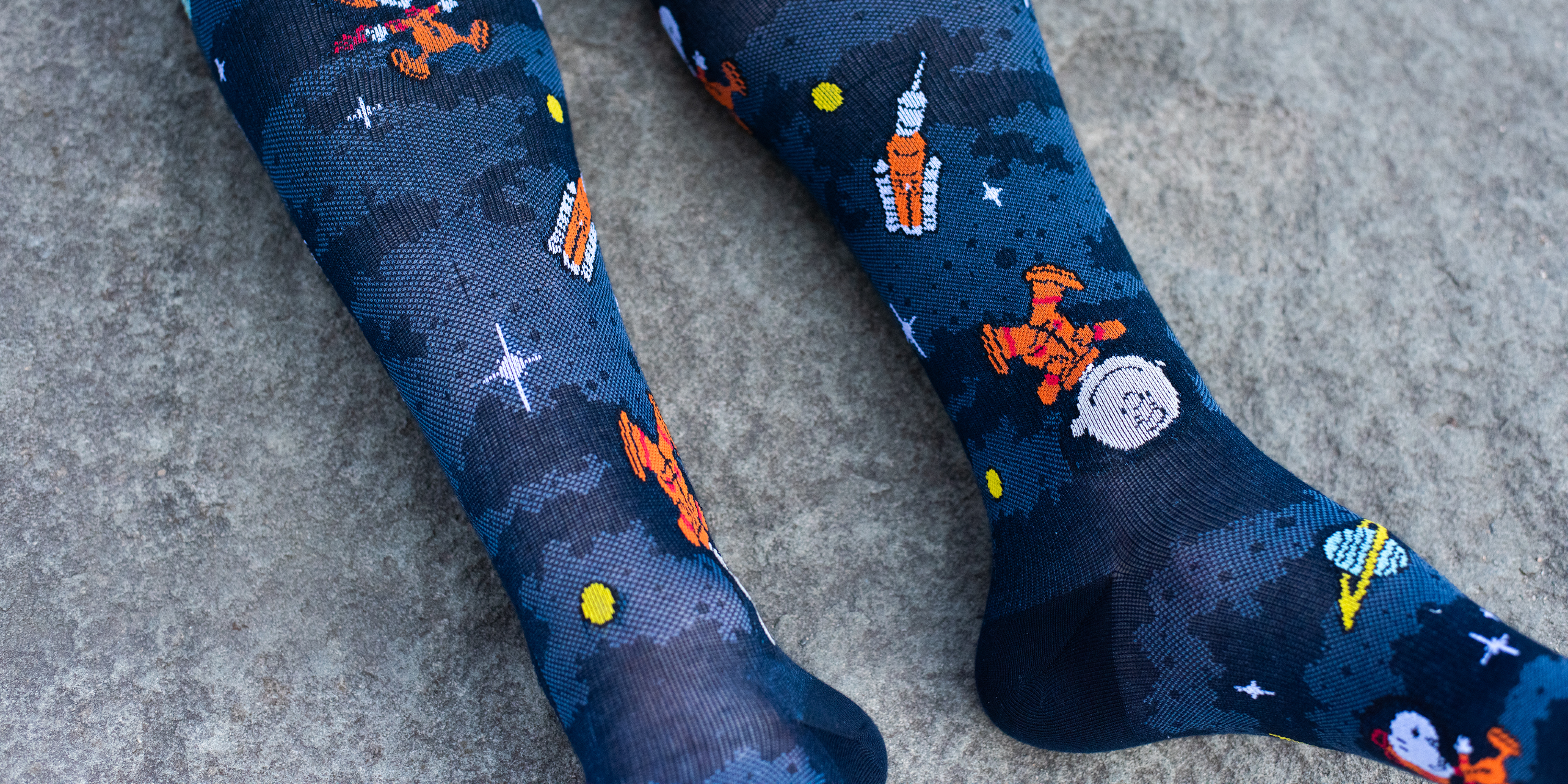
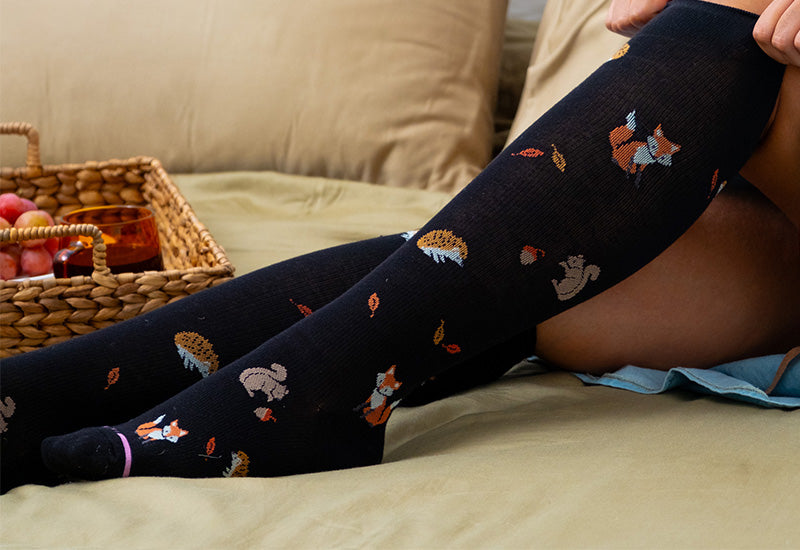
Muscle soreness after a tough workout can feel discouraging, especially when it lingers longer than expected. That stiffness and tenderness can affect how you move, how confident you feel training again, and how consistent your routine becomes. DOMS is a normal response to physical stress, but the way you manage recovery can influence how quickly your body feels ready to move again.
Compression socks are often used as part of post-exercise care to support circulation and comfort. When used thoughtfully, they can help your legs feel more supported while your muscles recover from demanding activity and adapt to new challenges.

What Is DOMS?
Delayed onset muscle soreness, commonly called DOMS, refers to muscle discomfort that develops after intense or unfamiliar physical activity. It typically begins within 24 hours and may peak around 48 hours after exercise.
DOMS occurs when muscle fibers experience small amounts of stress and microscopic damage. As the body repairs this tissue, inflammation and temporary fluid buildup contribute to stiffness, tenderness, and reduced range of motion. While DOMS is part of muscle adaptation, excessive soreness can interfere with everyday movement and training consistency.
Who Usually Gets DOMS — Are You at Risk?
Some people experience DOMS more frequently depending on training habits, exercise type, and recovery practices.
High-risk Groups
-
Beginners starting a new workout routine
-
Athletes increasing intensity or volume too quickly
-
Individuals performing eccentric movements such as downhill running or controlled strength training
These groups often expose muscles to unfamiliar stress, which increases the likelihood of soreness during the recovery phase.
Moderate or Low-risk Groups
-
People following a gradual and consistent training plan
-
Individuals who prioritize warm-ups, cooldowns, and recovery habits
Even experienced athletes may notice DOMS when they introduce new exercises or shift training demands.
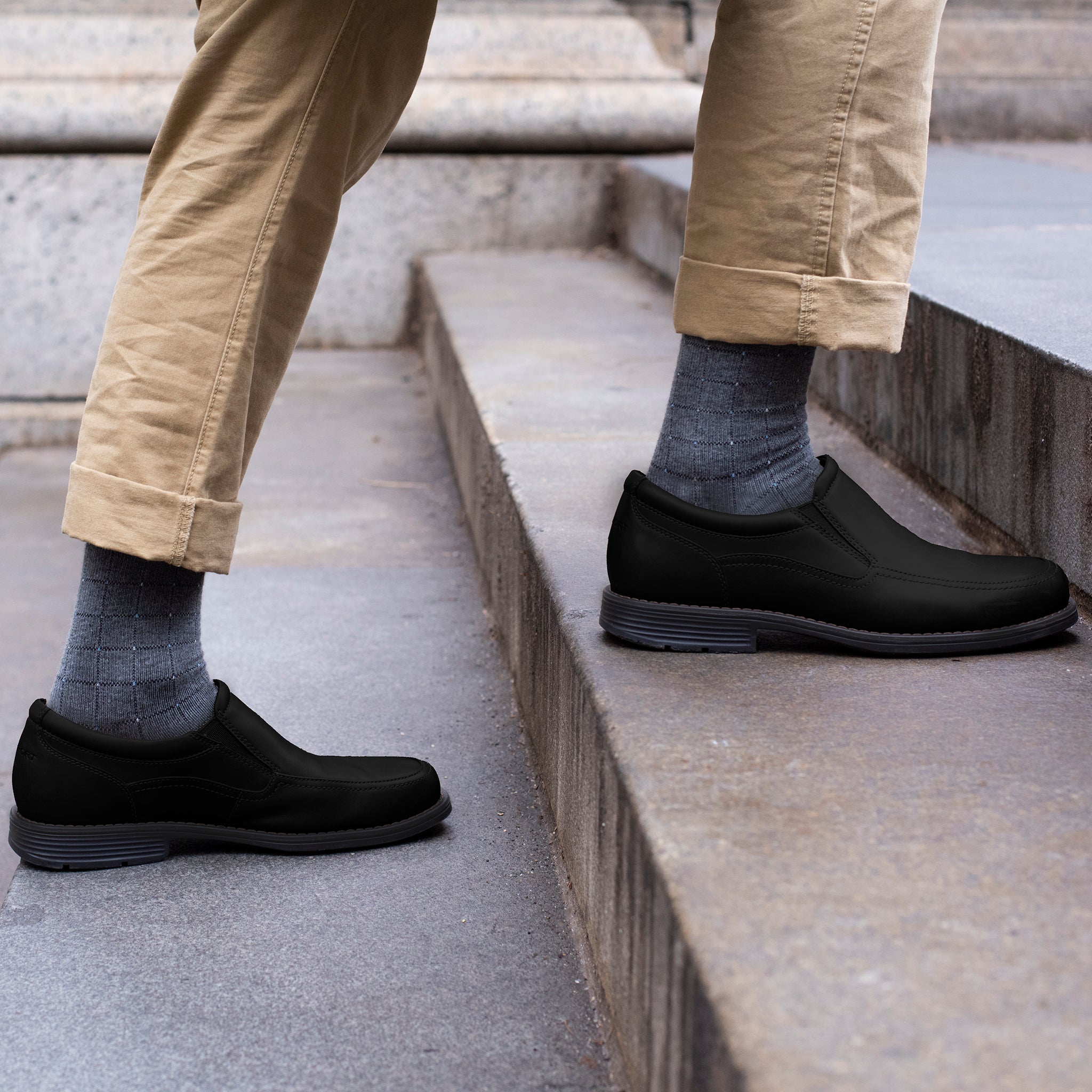
How Compression Socks Work
Compression socks apply controlled pressure to the lower legs, with the firmest support around the ankle and gradually decreasing pressure toward the calf. This structure supports blood flow back toward the heart and helps reduce fluid pooling in the lower limbs.
By encouraging more efficient circulation, compression can assist with clearing metabolic byproducts that build up during exercise. This process supports the delivery of oxygen and nutrients to recovering muscle tissue, which may help reduce swelling and improve overall comfort during recovery.
Benefits of Compression Socks for DOMS
Wondering, “Are compression socks good for DOMS”? Here are some of the most common compression socks benefits for DOMS:
-
Reduced Leg Heaviness
After intense workouts, fluid can accumulate in the lower legs, leading to a heavy or weighed-down sensation. Compression socks support circulation, which may help reduce this feeling and make post-exercise movement feel easier and more controlled.
-
Improved Daily Comfort
Muscle soreness often becomes more noticeable during routine activities such as standing or walking. Compression provides steady support during recovery days, helping ease discomfort and allowing everyday movement to feel more manageable.
-
Support Against Fatigue
Post-exercise fatigue can leave legs feeling unstable or overly sensitive. The consistent pressure from compression socks offers a secure, supportive feel that many people find helpful for managing lingering fatigue after demanding physical activity.
-
Faster Ready-to-train Feeling
Compression helps muscles feel less tight and more responsive. This can support a smoother transition back into light training or mobility work without placing unnecessary strain on recovering tissue.
How to Use Compression Socks for DOMS
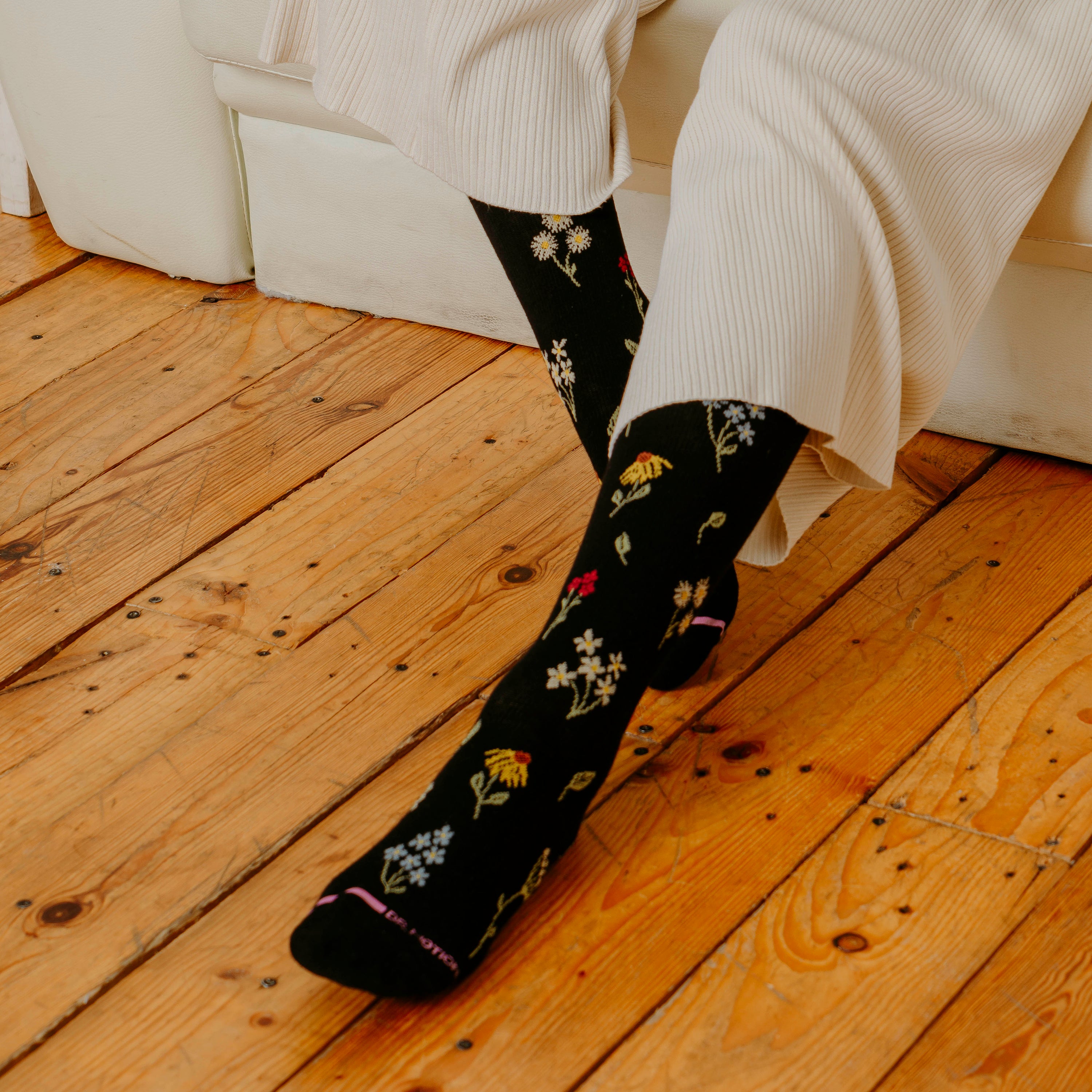
Compression socks are typically worn after exercise once soreness begins to develop. Many people choose to wear them for several hours during the day while completing light activities or during periods of prolonged standing or sitting.
The socks should feel snug but never uncomfortable. They should not cause tingling, numbness, or restricted movement. Consistent use after demanding workouts tends to be more beneficial than wearing them occasionally or only during severe soreness.
Compression vs Other Recovery Methods
Recovery is most effective when multiple strategies are used together.
Recovery Method |
Primary Purpose |
Typical Use |
|
Rest and sleep |
Supports muscle repair |
Between training sessions |
|
Hydration and nutrition |
Fuels tissue recovery |
Daily |
|
Stretching and mobility |
Maintains flexibility |
Before and after workouts |
|
Compression socks |
Supports circulation |
Post-exercise recovery |
Compression works well alongside rest, hydration, and gentle movement. Using these methods together can help maintain training consistency while reducing the discomfort associated with muscle soreness.

When Not to Use Compression Socks
Compression socks are generally safe, but there are situations where they may not be appropriate.
Pause use and seek medical advice if you notice:
-
Sudden or worsening swelling
-
Pain that increases with compression
-
Redness, warmth, or signs of infection
-
Skin irritation, breakdown, or sensitivity
Individuals with circulation disorders, nerve conditions, or existing vascular concerns should consult a healthcare professional before using compression.
How to Choose the Right Compression Socks
Choosing the right compression sock supports both comfort and effectiveness.
1. Graduated Compression and Fit
Graduated compression socks support circulation by applying firmer pressure at the ankle and easing upward. We design precise sizing to deliver consistent support without discomfort during recovery wear.
2. Compression Level
Selecting the right compression level balances effectiveness and comfort. We focus on light to moderate compression options that support post-exercise recovery while remaining easy to wear throughout daily activities.
3. Breathable Materials
Breathable, moisture-managing fabrics help keep skin dry during extended wear. Our socks are made from soft, performance-driven materials that support airflow and comfort during long recovery periods.
4. Coverage and height
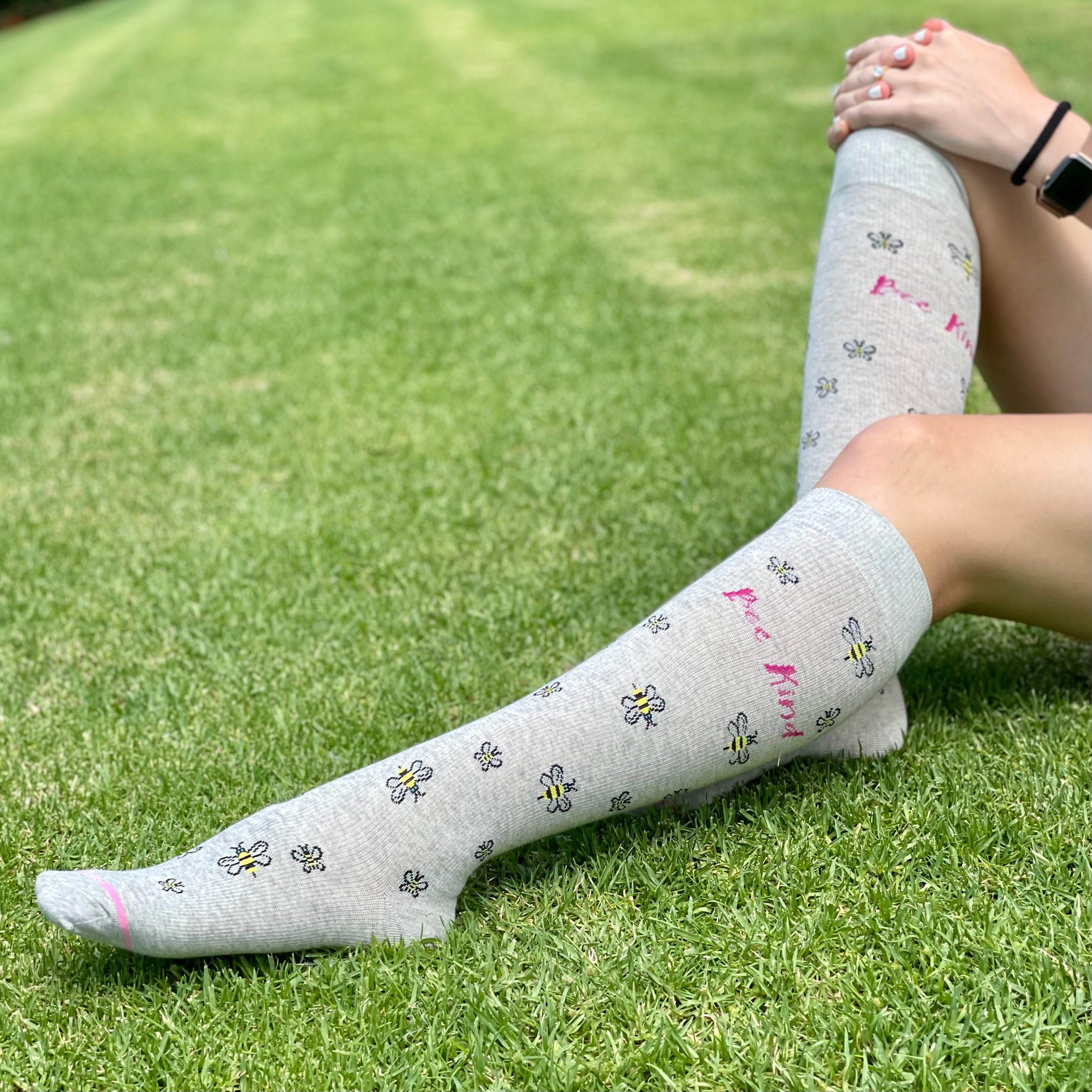
Sock height determines how much of the leg receives support. We offer knee-high compression socks and targeted coverage styles to match different recovery needs, activity levels, and personal comfort preferences.
Why Choose Dr. Motion for DOMS Relief
At Dr Motion, we design compression socks with real movement and recovery in mind. Our sports compression socks support circulation while remaining breathable and comfortable enough for extended wear after demanding physical activity.
We focus on balanced compression, reliable materials, and a fit that stays in place without feeling restrictive. Along with full-length options, we also offer compression sleeves for those who prefer more targeted lower-leg support during recovery days.
DOMS is a normal part of building strength and endurance, but it does not need to disrupt your routine. Compression socks for DOMS can support recovery when paired with rest, hydration, and smart training choices. With consistent use, they help maintain comfort, promote confidence in movement, and support long-term progress.
Disclaimer: This article provides information solely for educational purposes, including but not limited to text, graphics, images, and other materials contained herein. This article is not intended to substitute for professional medical advice, diagnosis, or treatment. Always seek the advice of your physician or another qualified healthcare provider with any questions you may have regarding a medical condition.


Leave a comment
This site is protected by hCaptcha and the hCaptcha Privacy Policy and Terms of Service apply.